
Simple Plant Care, Growing Guides & Garden Ideas for Everyday Spaces
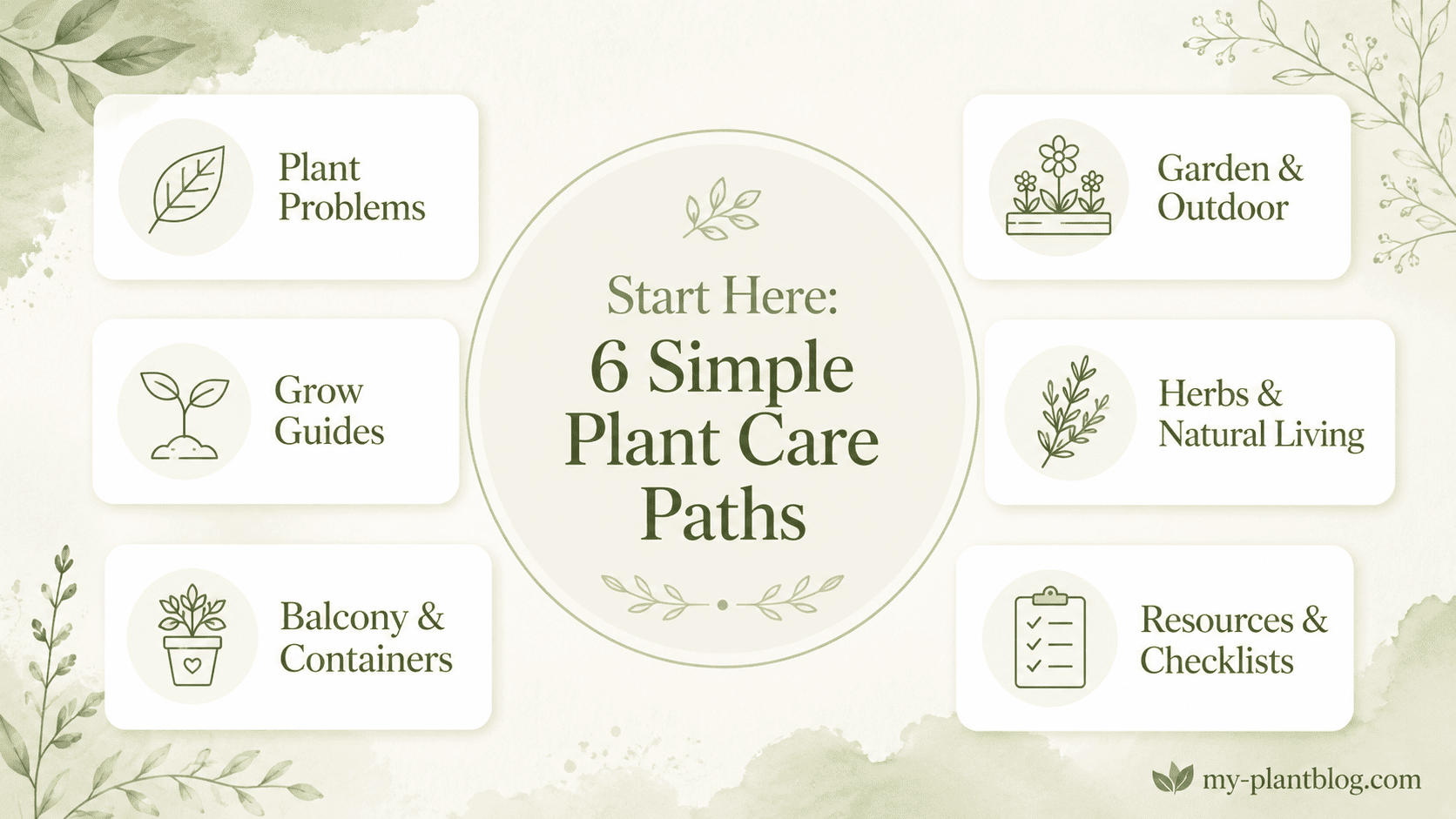
My Plant Blog brings practical plant care into one easy place. Whether you are troubleshooting a houseplant, choosing the right potting mix, growing herbs on a windowsill, planning a balcony container, or caring for an outdoor garden, start with the topic that matches your question and follow the linked guides from there.
Explore My Plant Blog
Start With the Question You Have Right Now
Plant care becomes much easier when you begin with the clearest clue instead of changing everything at once. If a plant looks unhealthy, start with the symptom. If you are setting up a new growing space, begin with light, water, drainage, and root space. If you want useful plants close to the kitchen, the herb and small-space guides are a natural next step.
Something Looks Wrong
Yellow leaves, drooping growth, brown tips, soggy soil, damaged roots, or visible pests are useful starting clues.
Browse plant problem guides →I Want Better Plant Care
Build a more reliable routine around watering, usable light, potting mix, drainage, repotting, and seasonal changes.
Browse growing guides →I Have Pots, a Balcony, or a Windowsill
Use containers well by matching potting mix, drainage, water, light, and plant choice to the space you actually have.
Explore small-space growing →Use Visible Symptoms to Narrow Down What Your Plant Needs
When a plant looks stressed, the same symptom can have more than one cause. Start with what you can observe: the leaves, the moisture in the potting mix, drainage, recent changes in light or temperature, root condition, and any signs of pests. These guides help you work through common problems without jumping straight to a single diagnosis.
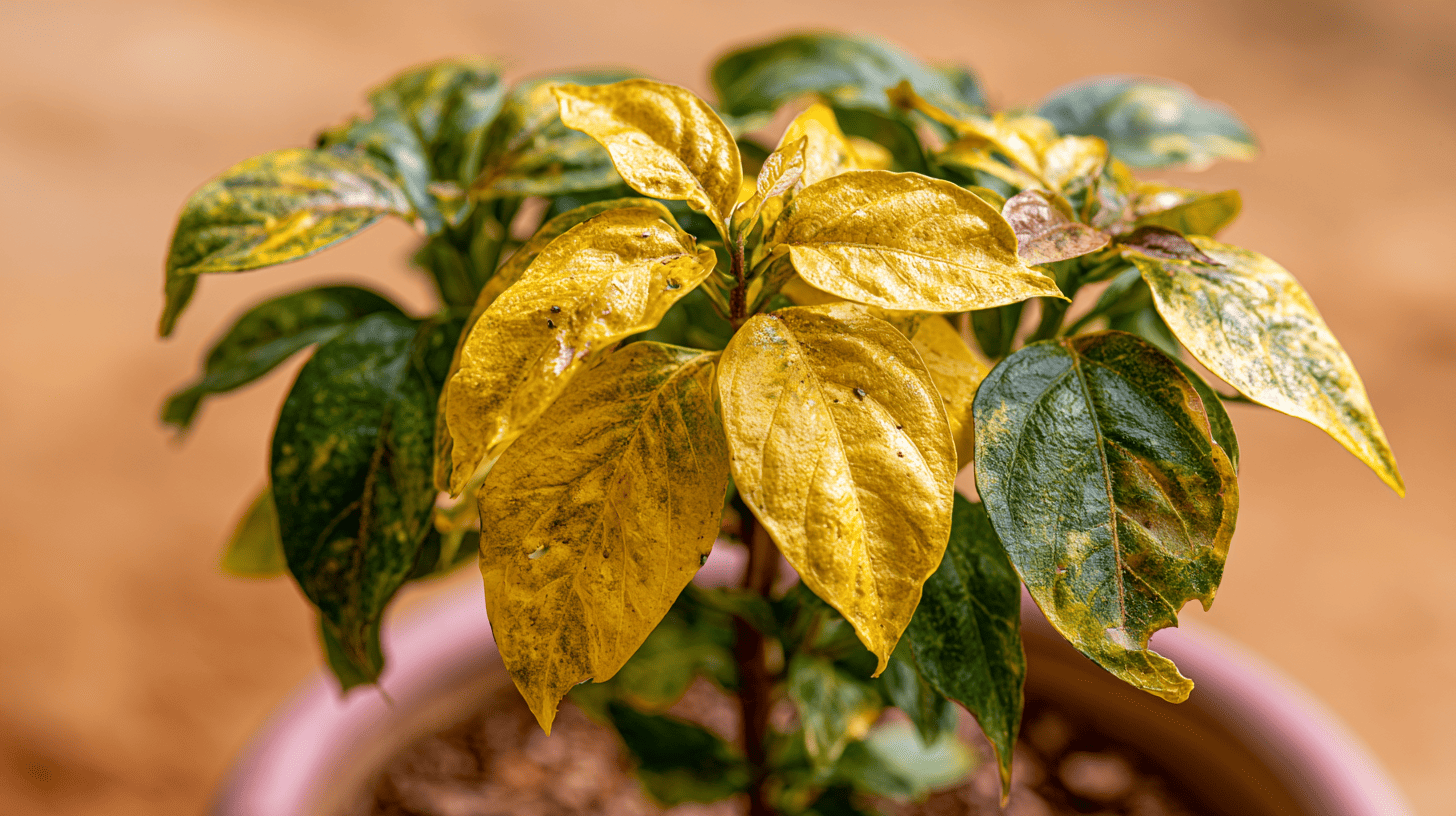
Why Are My Plant’s Leaves Turning Yellow?
Compare watering, drainage, light, normal leaf aging, pests, and root-zone problems before changing the whole care routine.
Understand yellow leaves →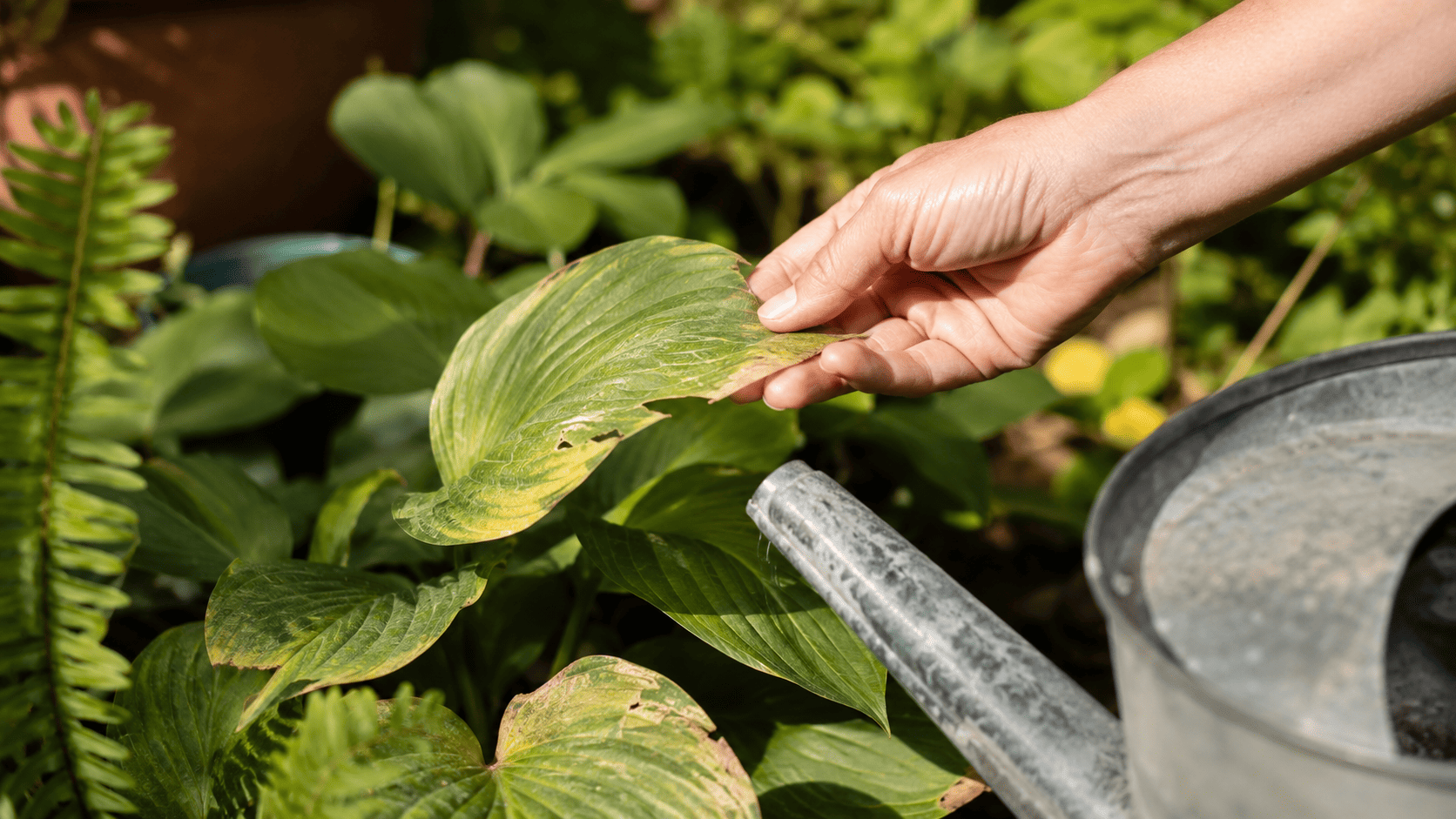
Why Is My Plant Drooping?
Use soil moisture, recent heat, light, and root conditions to narrow down why a plant has suddenly lost firmness.
Troubleshoot drooping plants →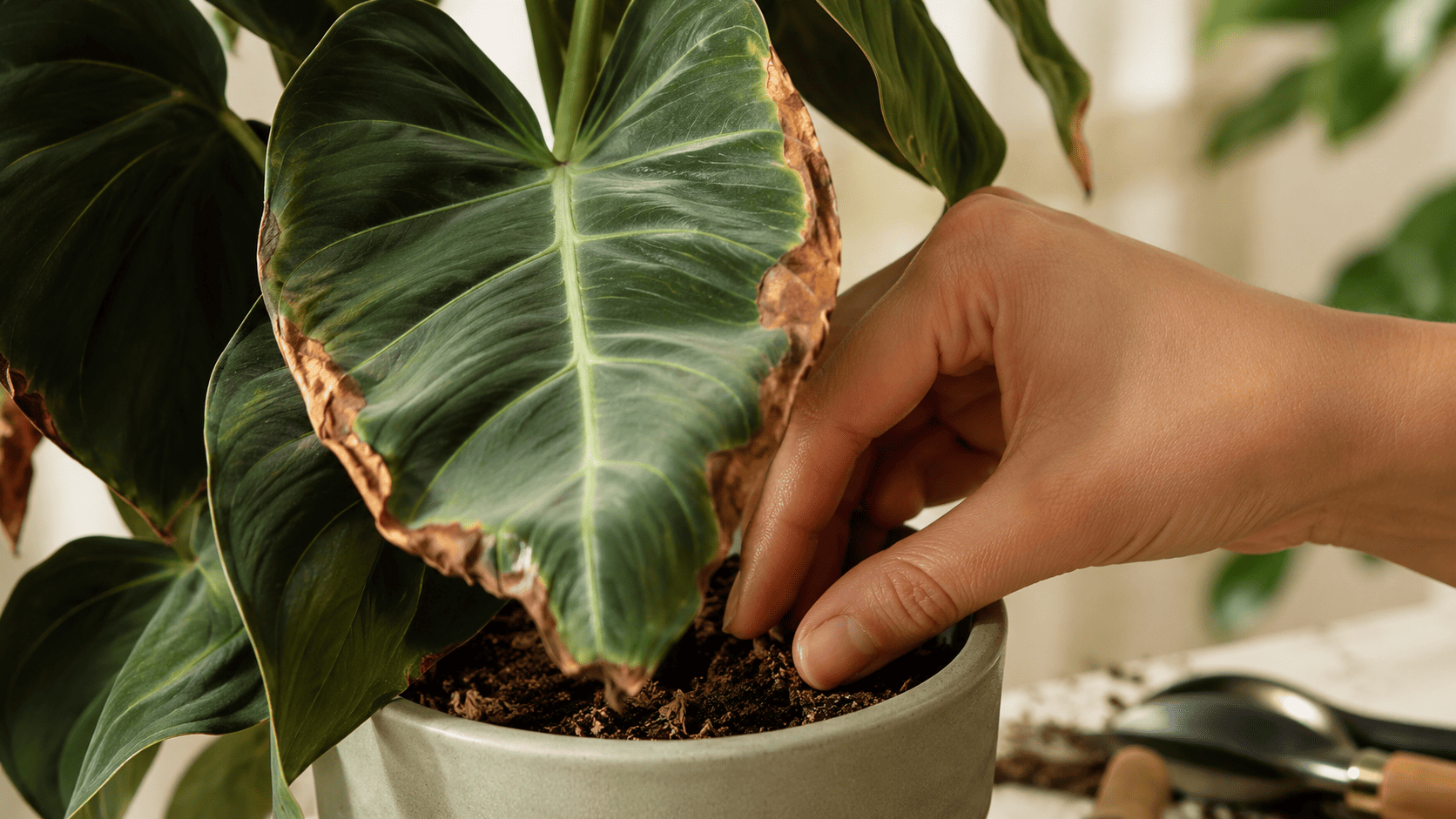
Brown Tips on Houseplants
Look at watering rhythm, dry indoor air, mineral buildup, root stress, and trimming choices when leaf tips turn crisp.
Check the causes of brown tips →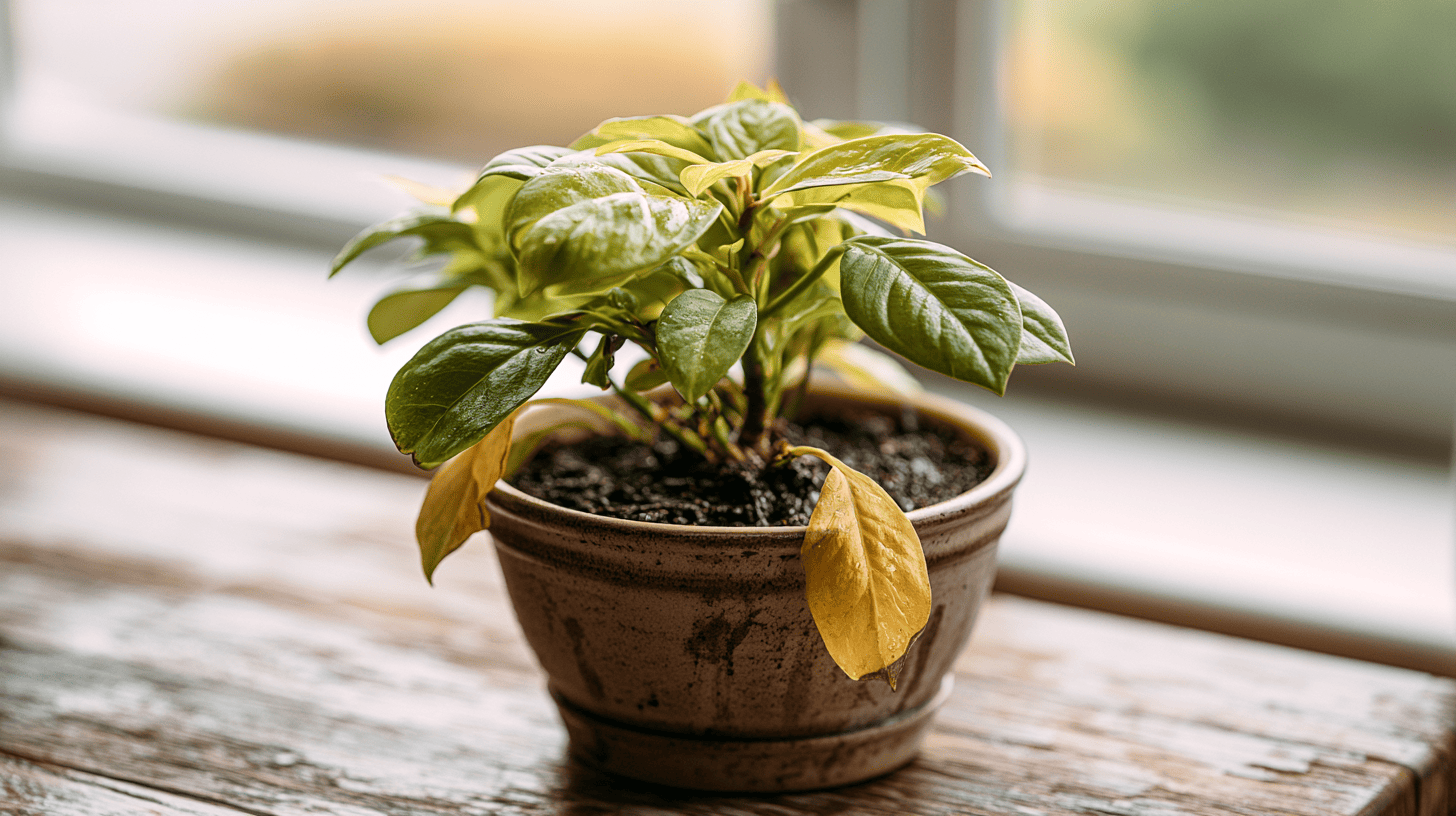
Overwatering and Root Rot
Learn which signs can point to chronically wet potting mix or damaged roots and what to check before watering again.
Understand overwatering and root rot →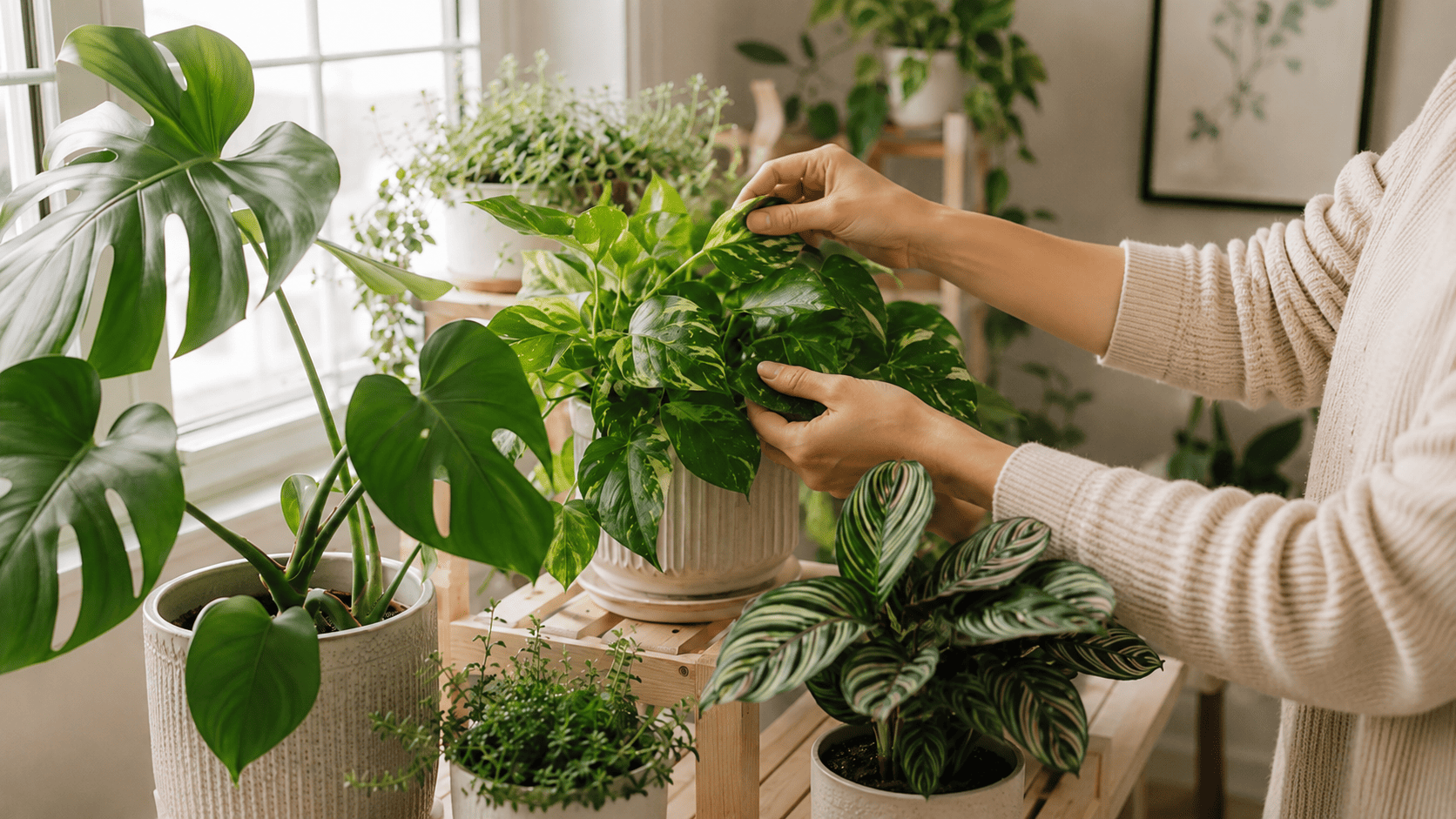
Common Houseplant Pests
Use visible clues such as webbing, sticky residue, speckling, insects, or cottony patches to decide what deserves a closer look.
Identify common pest clues →Build Stronger Plant-Care Habits From the Basics Up
Watering, light, potting mix, drainage, root space, and the season all affect one another. These guides focus on the everyday decisions that make plant care more predictable, especially when you are still learning how a plant responds to its environment.
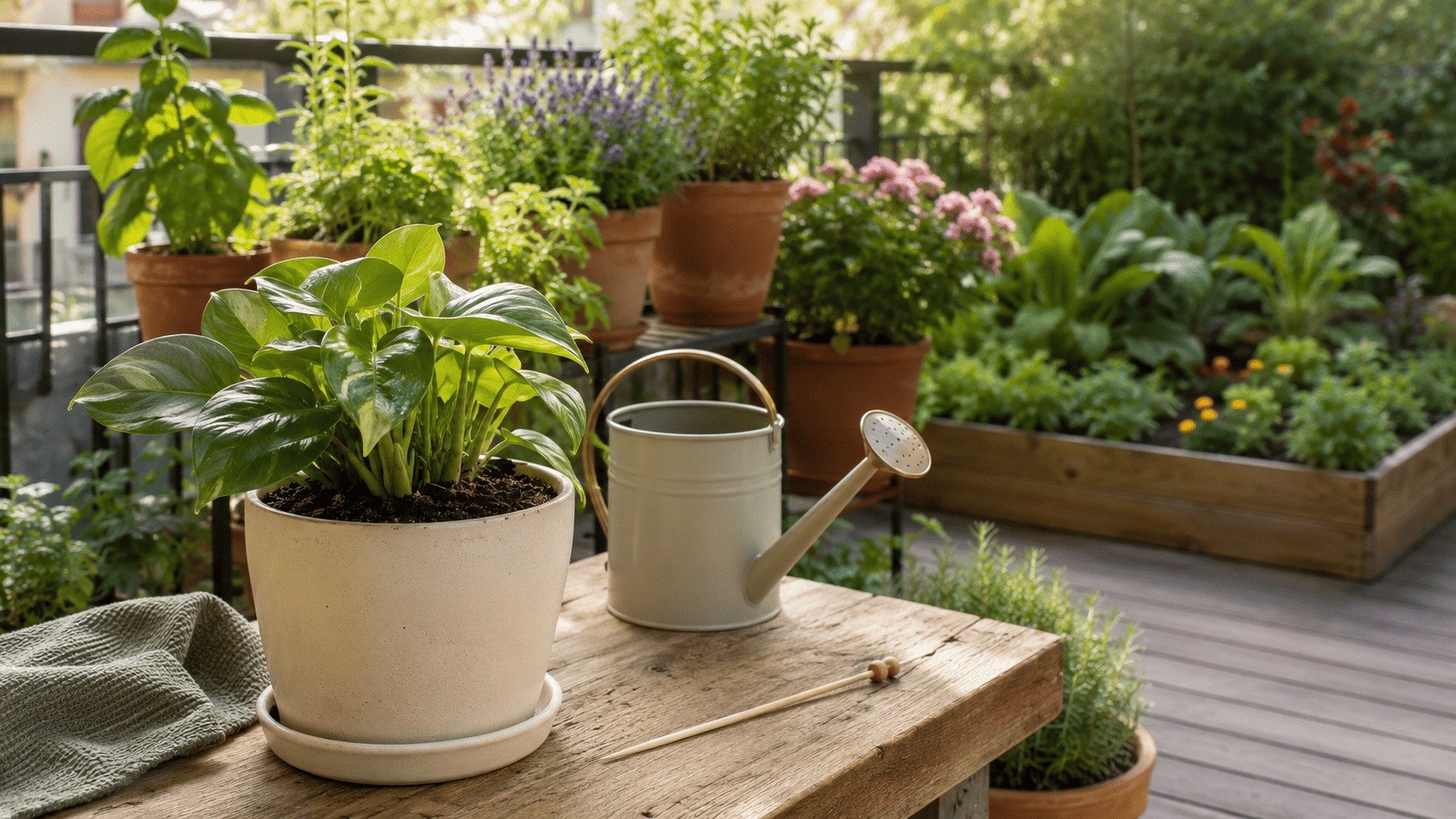
How Often Should You Water Plants?
Learn why soil moisture, light, container size, weather, potting mix, and active growth matter more than a fixed watering calendar.
Build a better watering routine →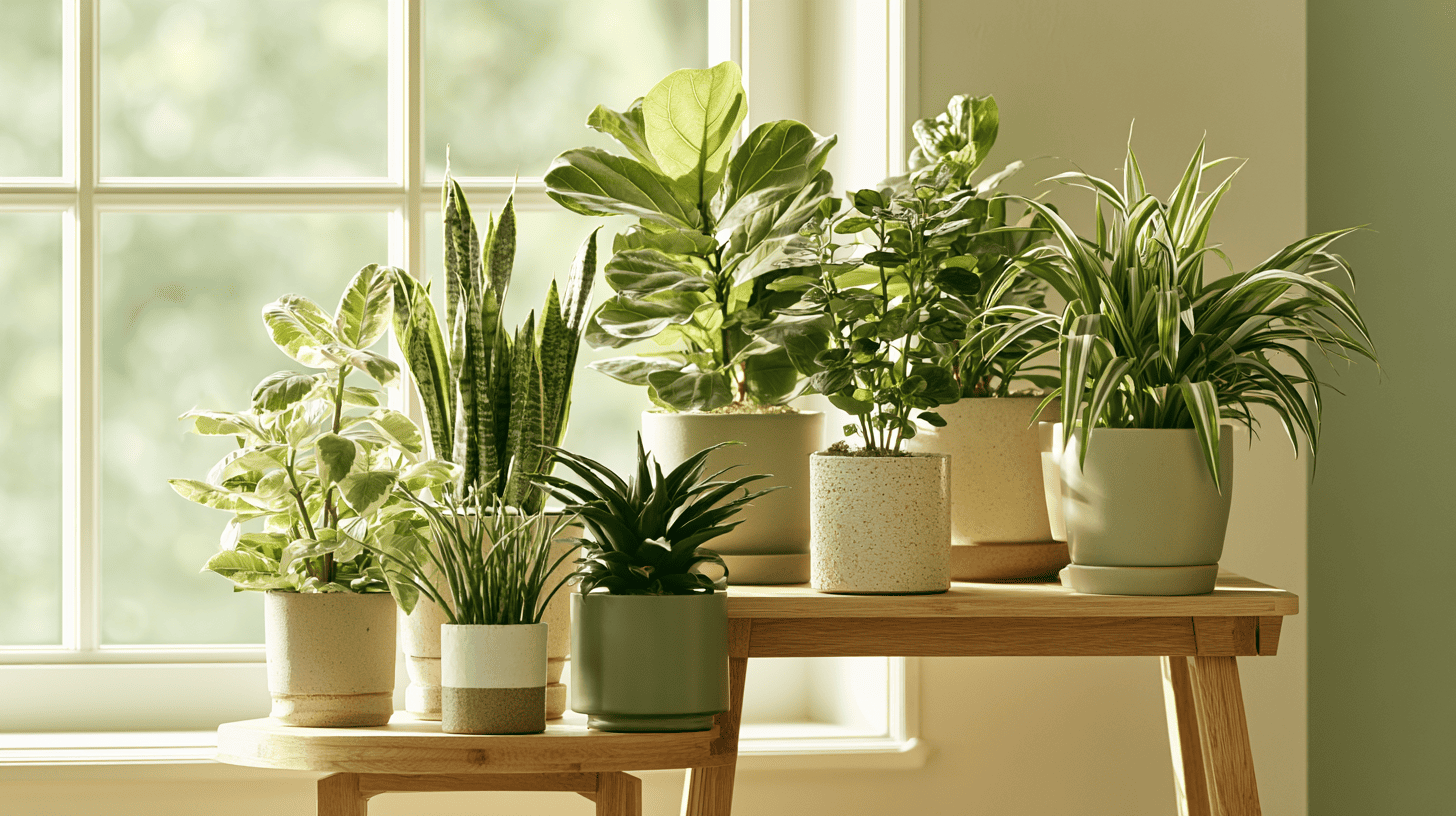
Plant Light Needs Explained
Understand bright indirect light, low light, direct sun, window direction, and why distance from a window can change plant growth.
Understand plant light →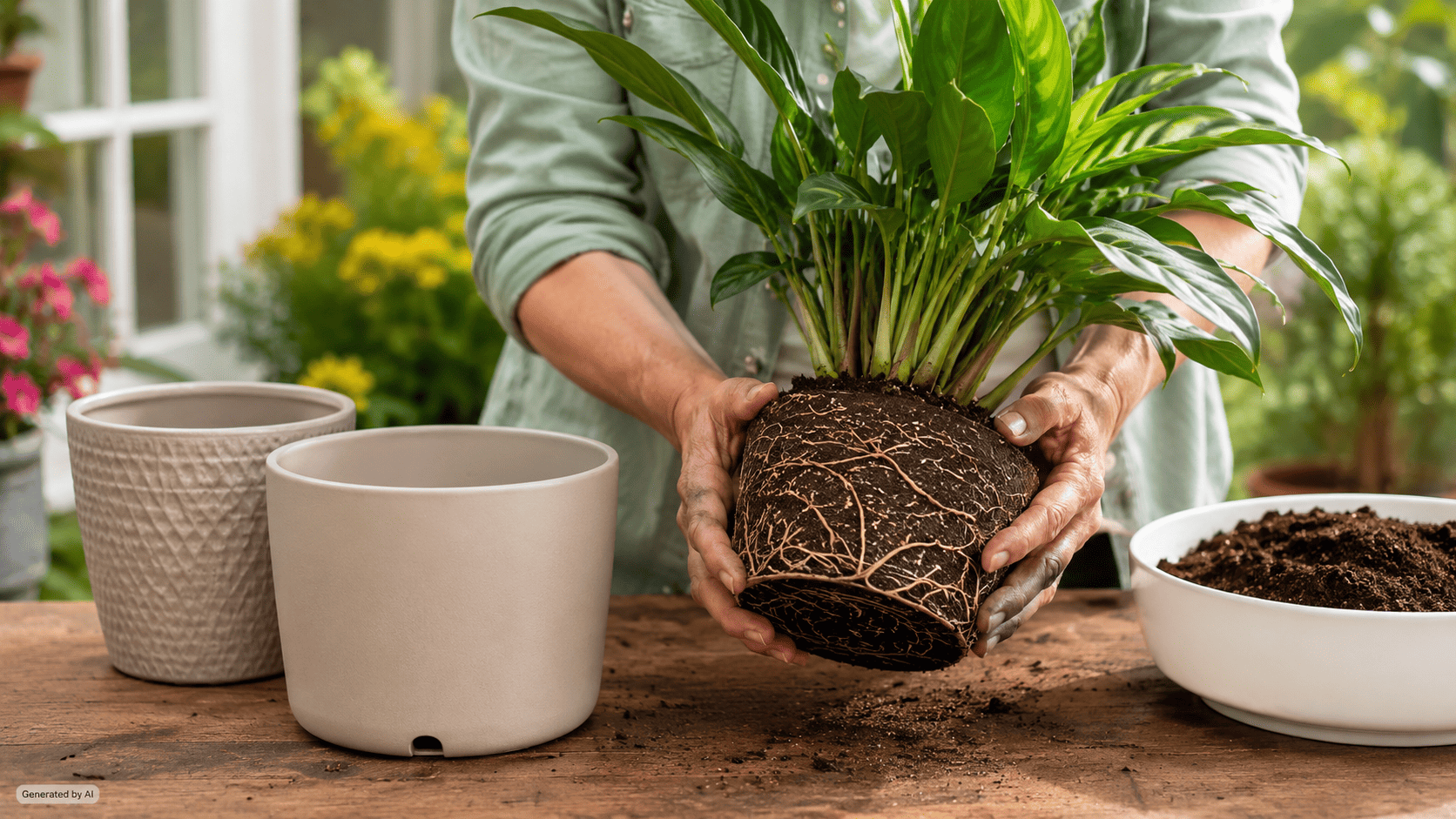
When to Repot a Houseplant
Inspect roots, drainage, drying speed, and container size before deciding whether a houseplant truly needs more room.
Check the repotting signs →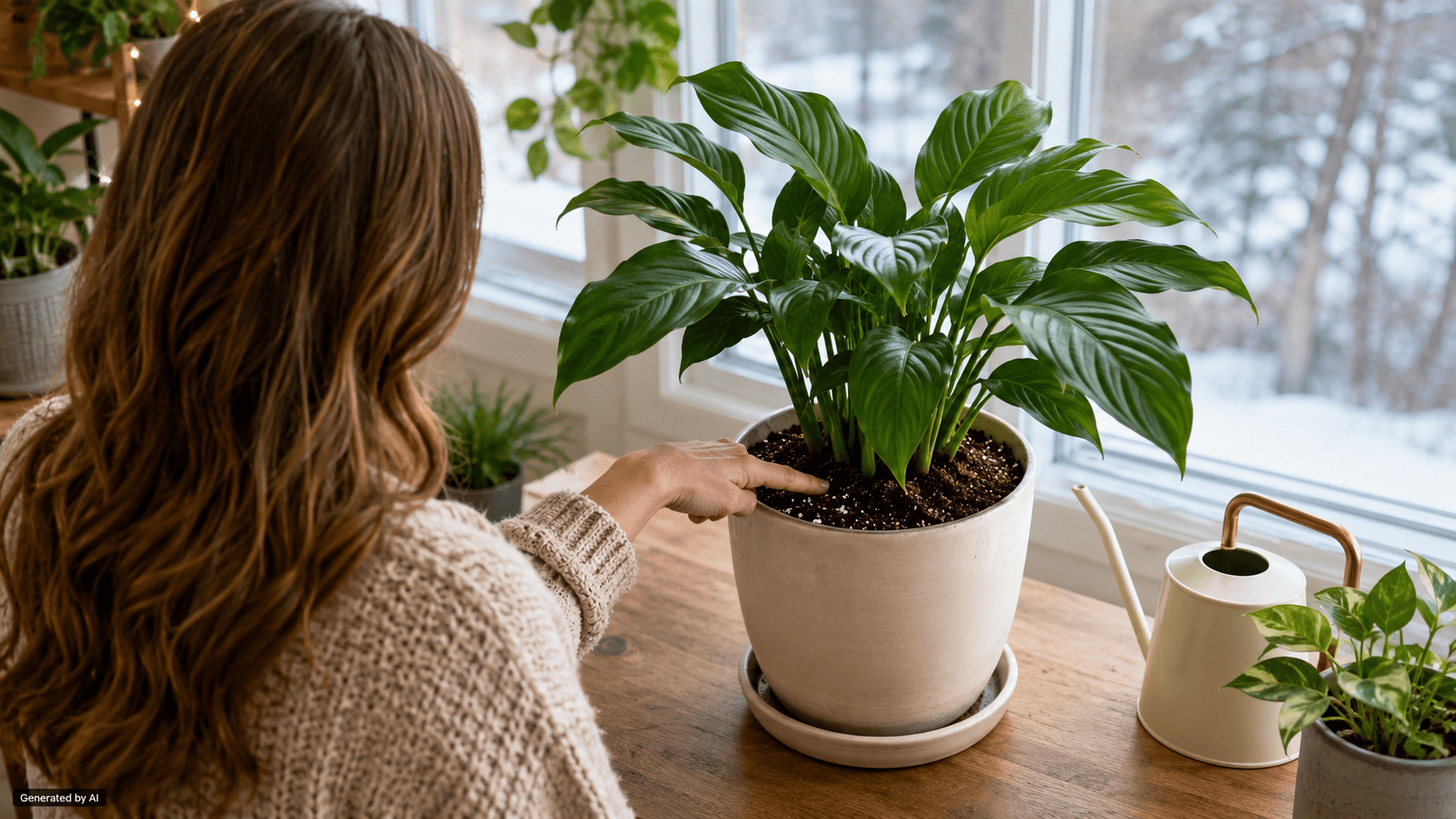
How Often to Water Houseplants in Winter
Adjust watering to shorter days, slower growth, indoor temperatures, and how long the potting mix actually stays moist.
Build a winter watering routine →Grow More in Pots, Planters, Balconies, Patios & Windowsills
Small-space gardening works best when every container has a purpose. Pot size, drainage, potting mix, sun exposure, wind, heat, and how quickly the root zone dries can matter more than the square footage you have. These guides are useful starting points for compact growing spaces.
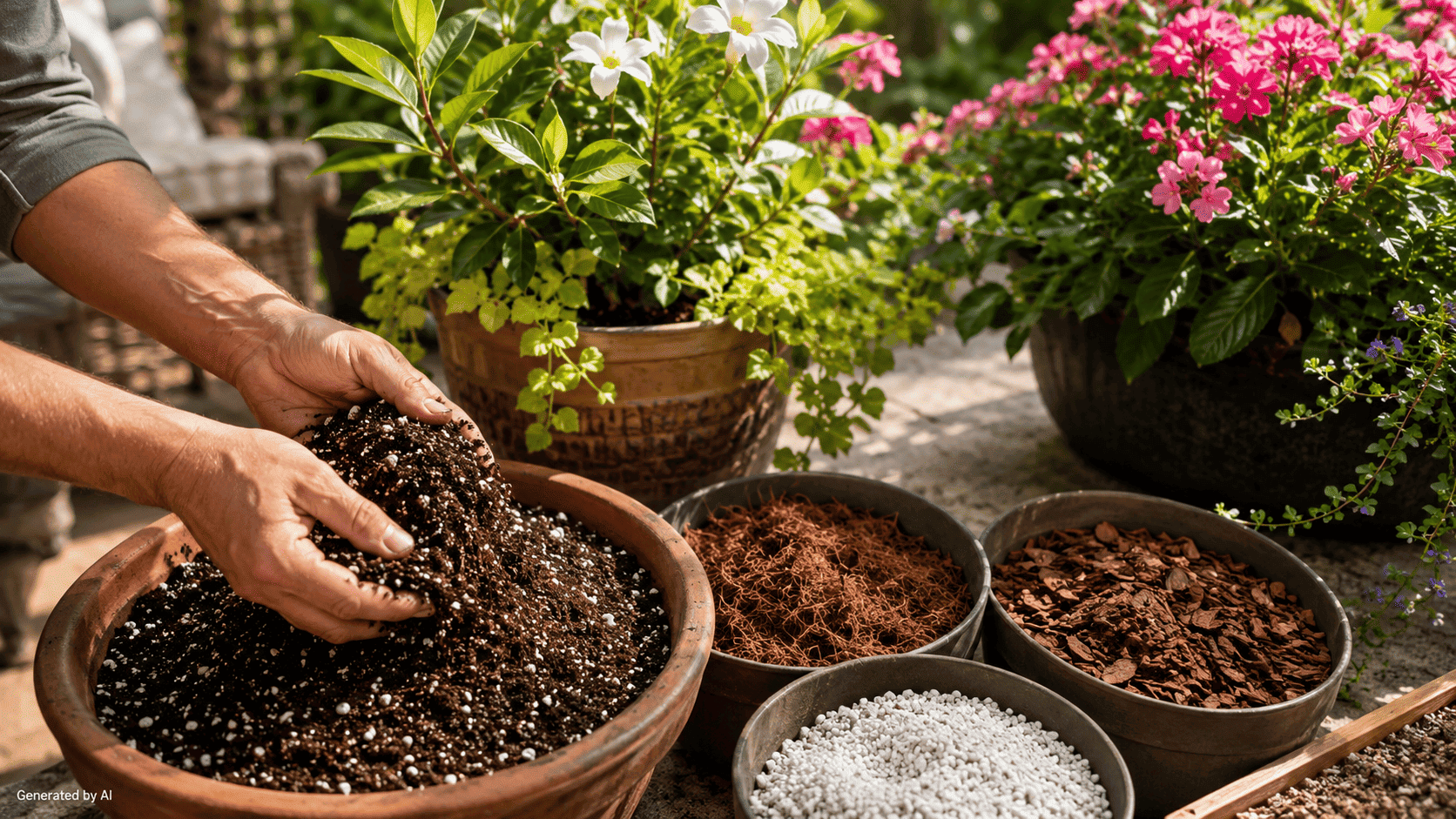
How to Choose the Right Potting Mix
See how drainage, aeration, moisture retention, and common potting-mix ingredients shape the root environment in pots and planters.
Choose a better potting mix →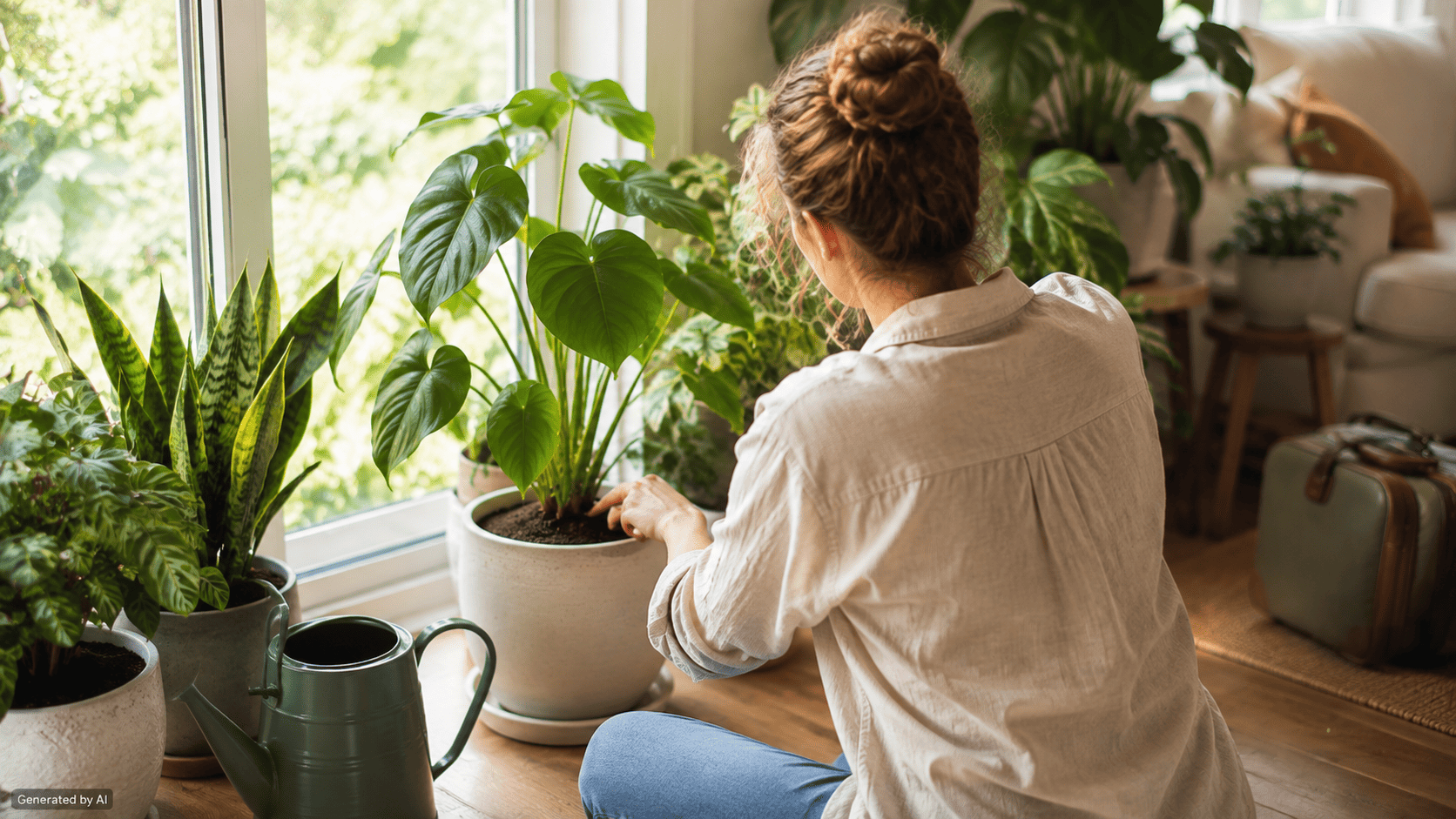
How to Keep Plants Alive While on Vacation
Prepare indoor and outdoor containers before a trip, reduce avoidable water loss, and choose a backup that fits the time you will be away.
Plan vacation plant care →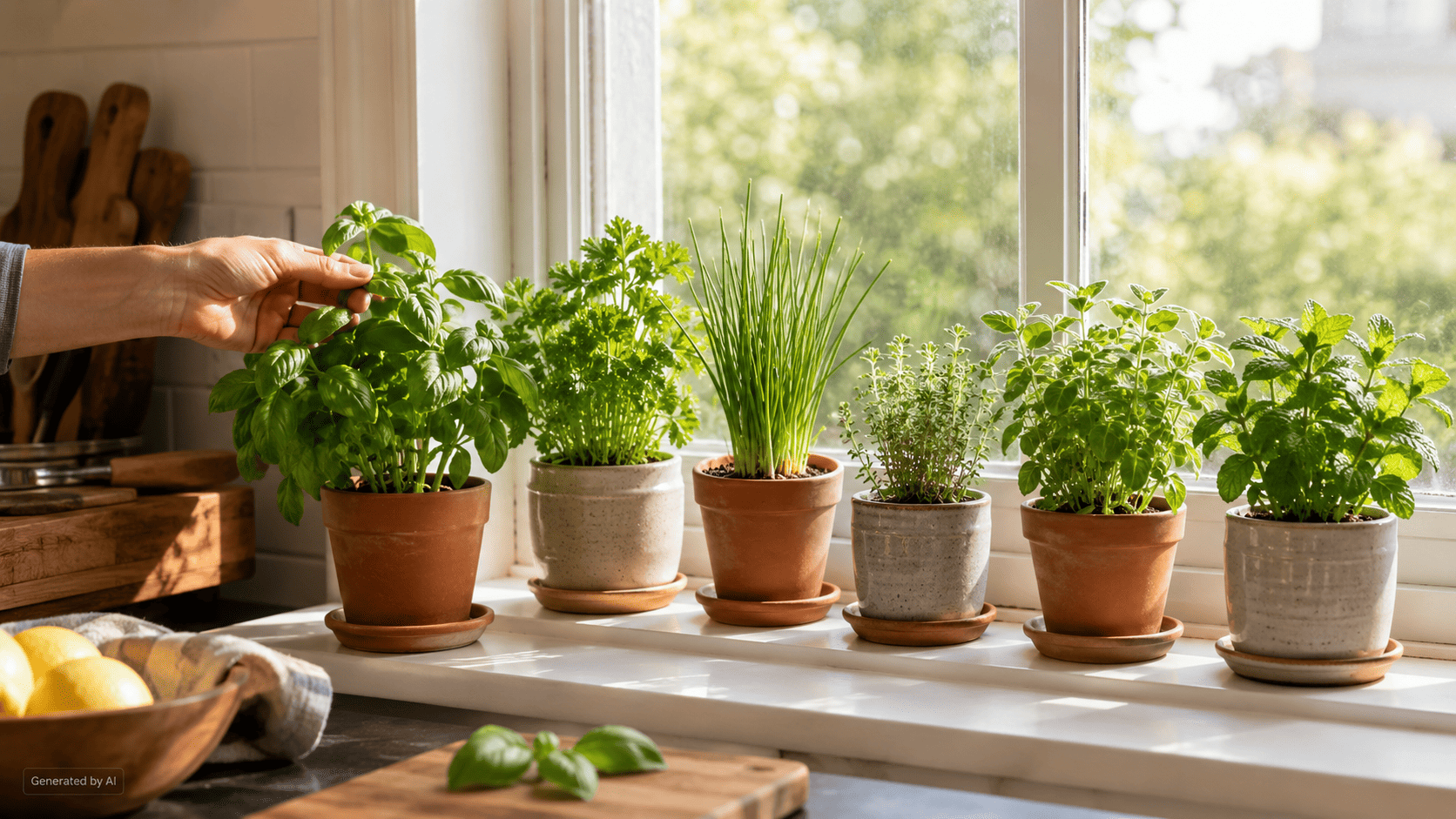
How to Grow Herbs on a Windowsill
Judge usable window light, choose manageable herbs, give every container reliable drainage, and keep small pots from staying too wet.
Grow herbs in a small space →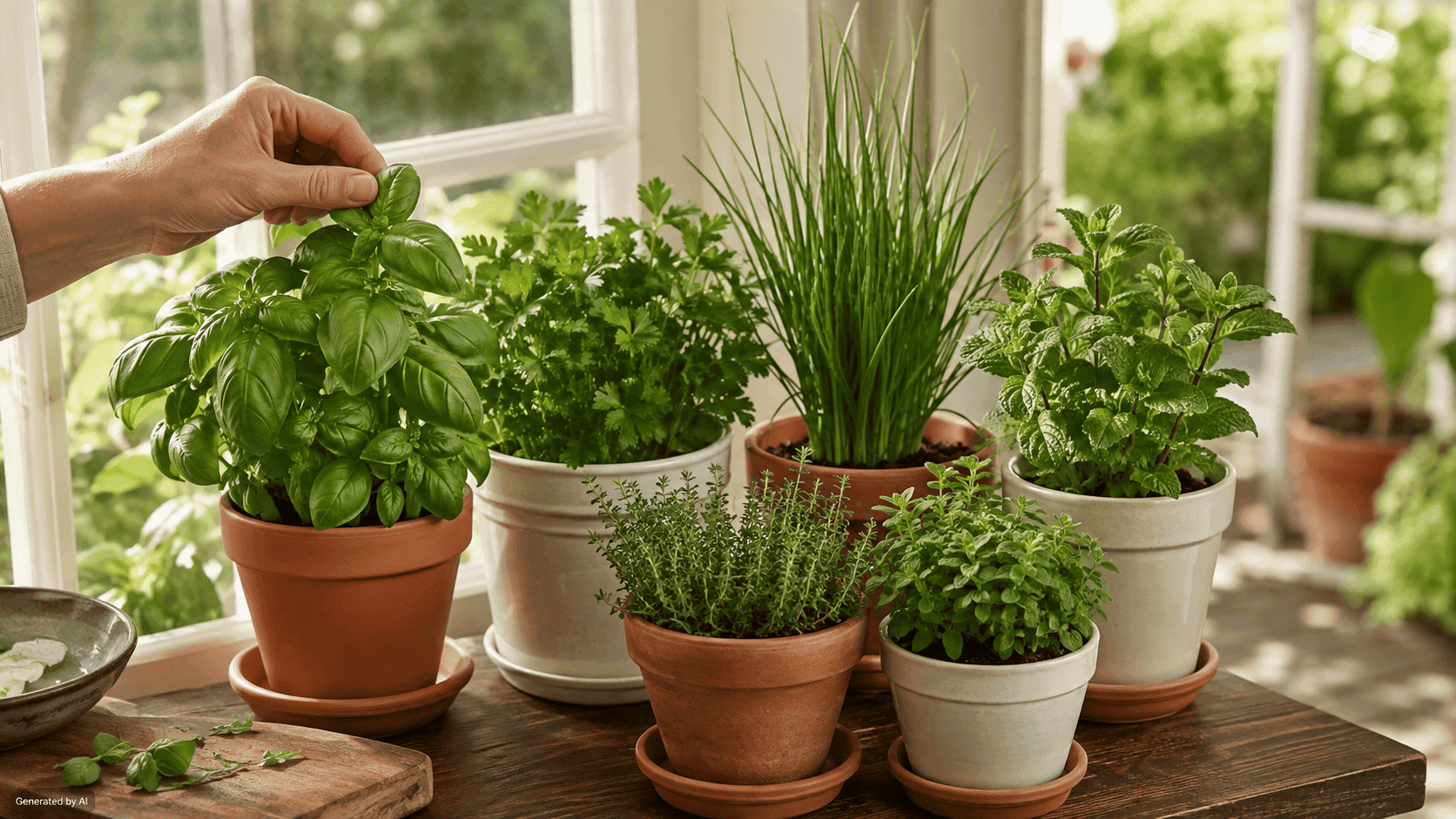
Easy Kitchen Herbs: 6 Practical Picks for Everyday Cooking
Start with herbs you already use and build a compact container setup around basil, parsley, chives, mint, thyme, or oregano.
Choose easy kitchen herbs →Plan Outdoor Spaces Around Sun, Soil, Water & the Season
A manageable outdoor garden begins with the conditions already present in the yard. Observe sun and shade, soil behavior, drainage, wind, summer heat, and the amount of maintenance you realistically want. From there, you can choose plants and seasonal tasks that fit the site instead of constantly correcting it.
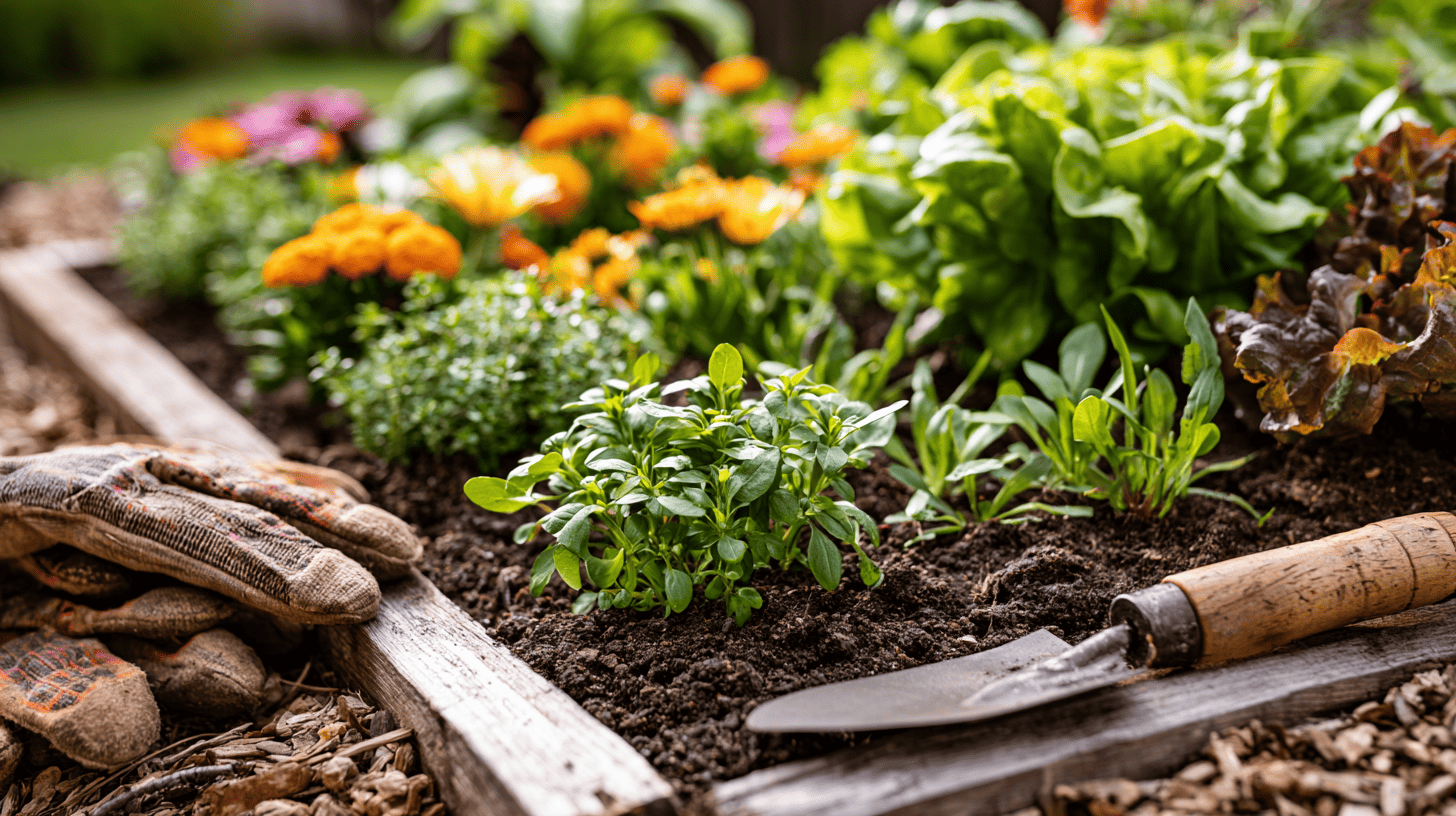
How to Plan a Beginner-Friendly Garden Bed
Start with a manageable bed size, workable soil, sensible spacing, and plants that fit the sunlight and growing conditions you actually have.
Plan your first garden bed →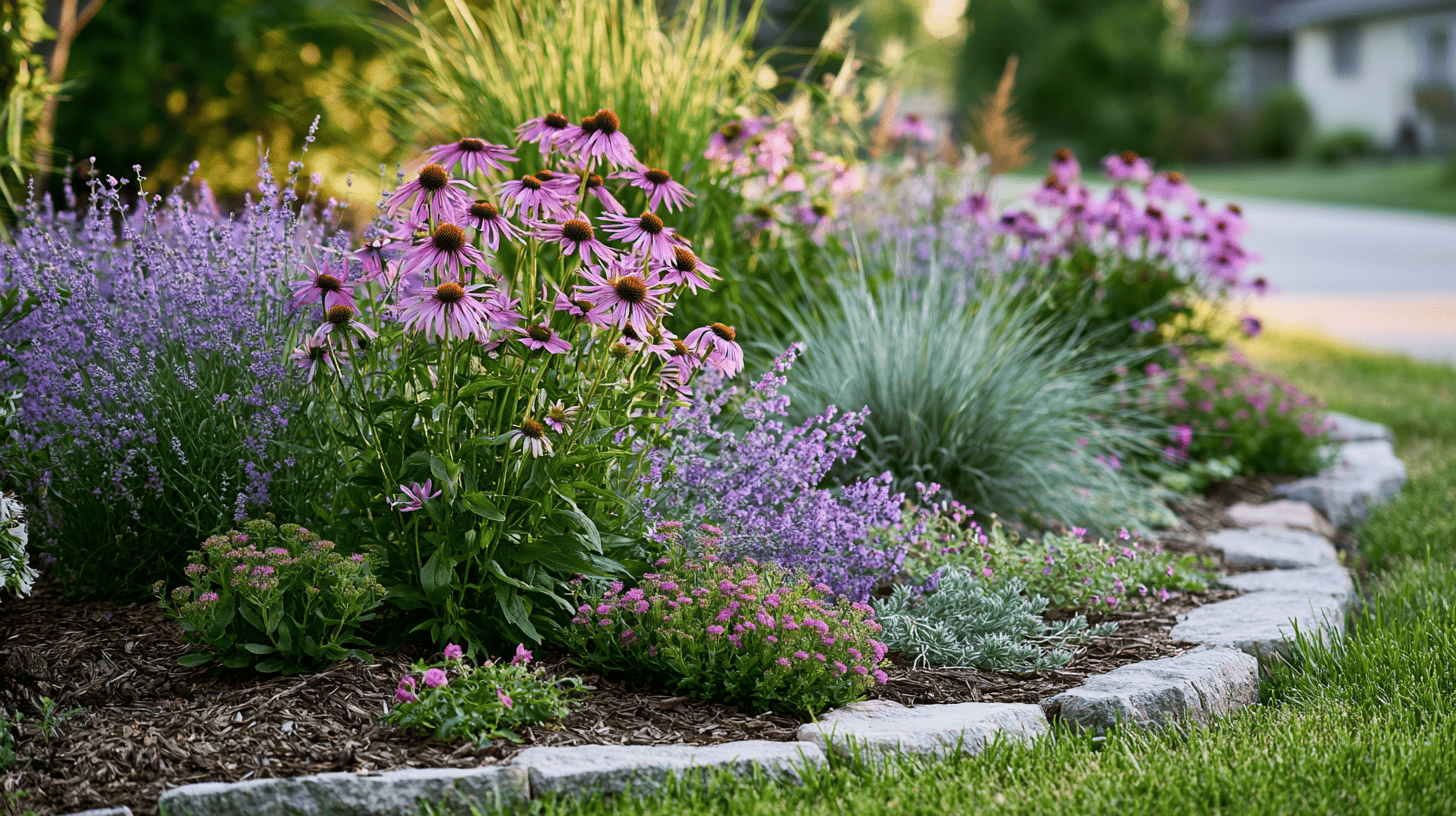
The Best Easy-Care Plants for Outdoor Gardens
Choose forgiving outdoor plants by matching them to sun, partial shade, soil conditions, available water, and the amount of upkeep you want.
Explore easy-care garden plants →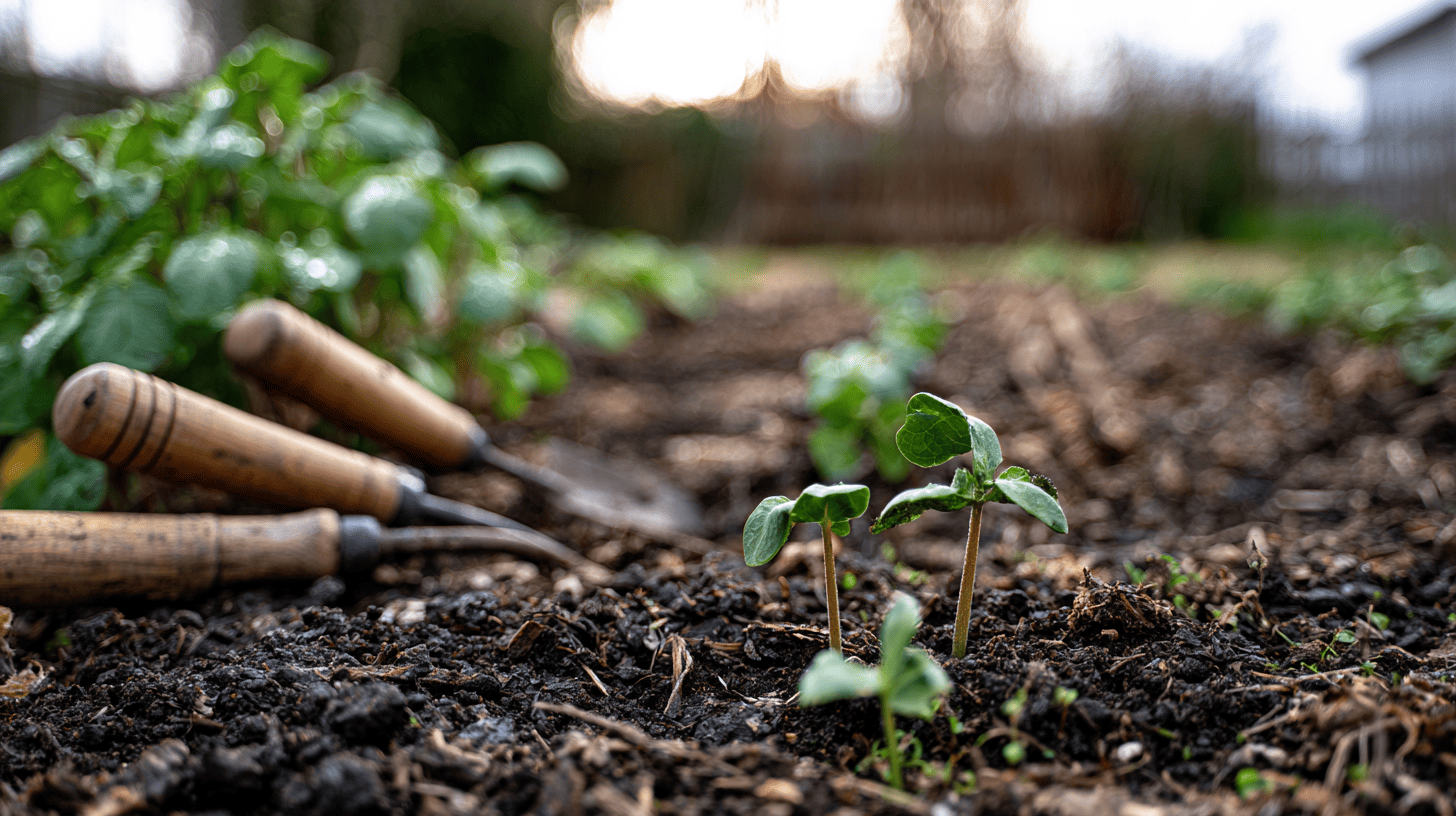
How to Prepare Your Garden for Spring
Move into the growing season with gentle cleanup, soil checks, thoughtful pruning, bed preparation, and realistic planting plans.
Prepare your garden for spring →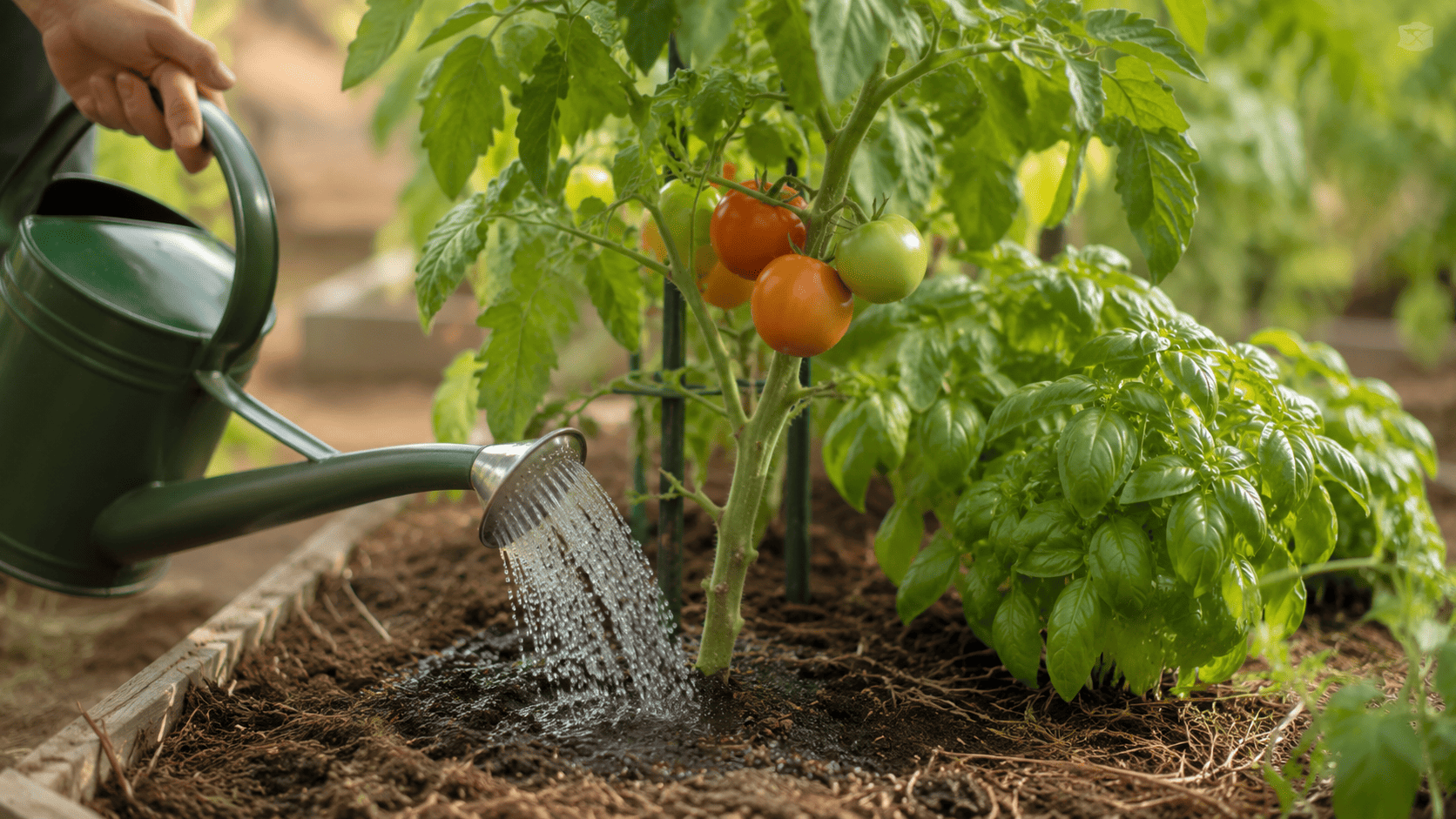
How to Keep Your Garden Healthy During Summer Heat
Use deeper watering, mulch, temporary shade where useful, and regular moisture checks to help beds and containers through hot weather.
Protect your garden during summer heat →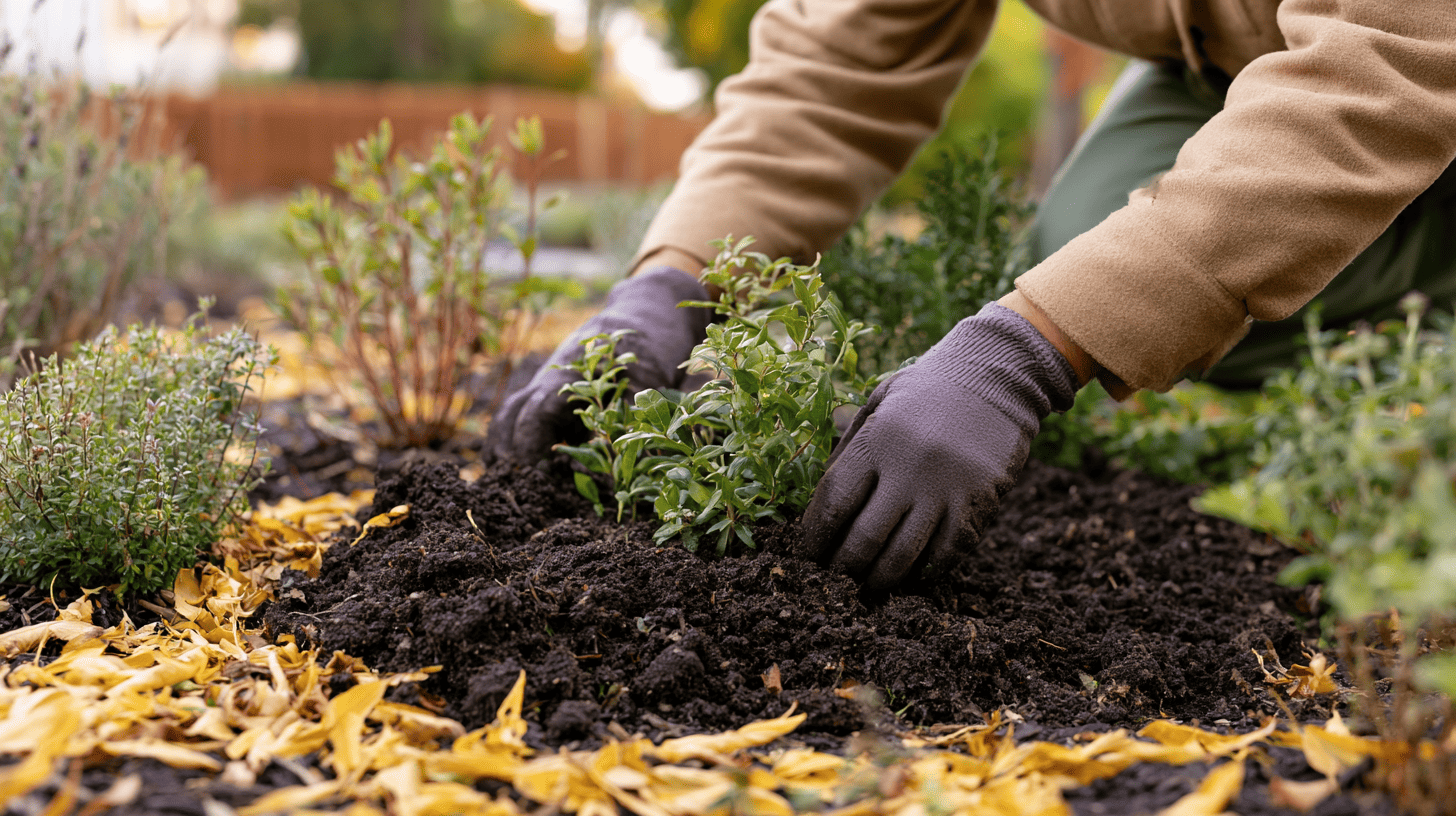
Autumn Fertilizing: Do Plants Still Need Nutrients Now?
Understand why late-season feeding depends on the plant, growing conditions, and growth stage rather than a one-size-fits-all fall schedule.
Plan fall feeding more carefully →Grow, Care for, Harvest & Preserve Useful Herbs at Home
Herbs can fit into a bright kitchen, a windowsill, a balcony, a patio, or a garden bed. Start with plants you already use, give each herb the light and moisture conditions it needs, harvest modest amounts from healthy growth, and preserve only clean plant material that has been dried thoroughly.
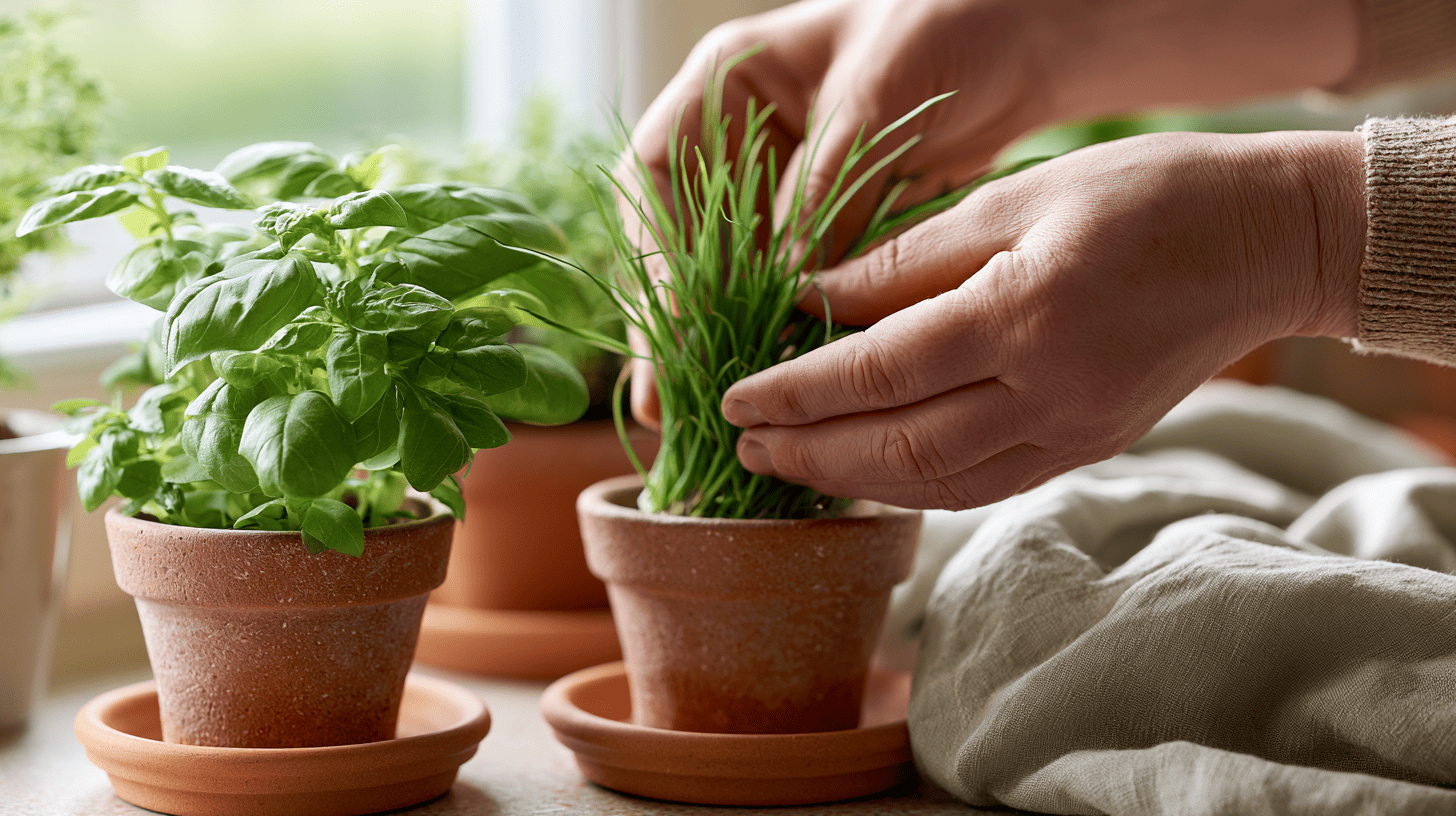
The Best Herbs to Grow at Home for Beginners
Compare familiar herbs and learn the first decisions that matter: light, drainage, watering, container size, and how many plants to start with.
Start with beginner-friendly herbs →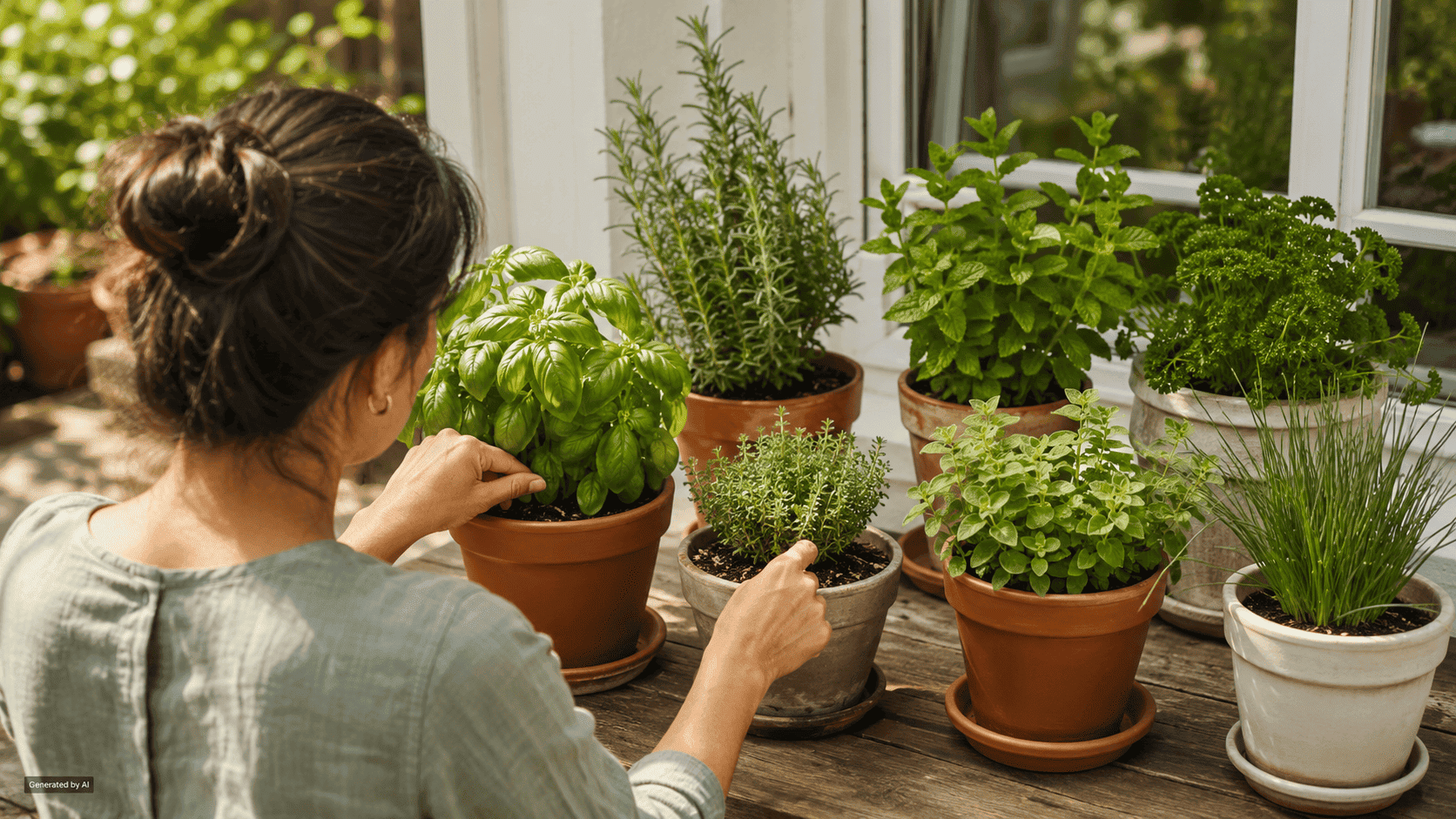
How to Care for Herbs: Basil, Rosemary, Mint & More
See why common herbs should not all be watered the same way and how individual pots make light, drainage, and moisture easier to manage.
Build a practical herb-care routine →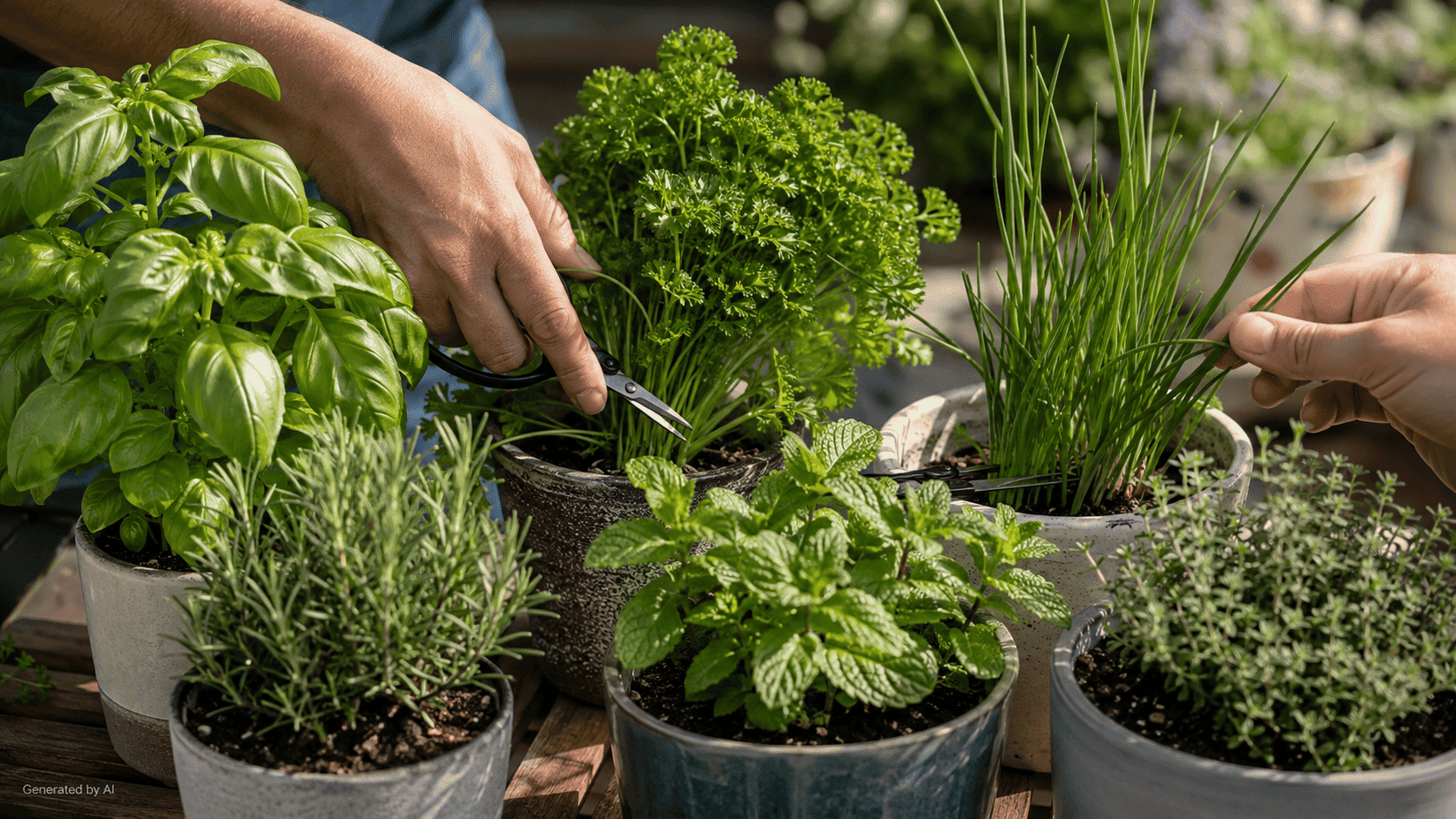
How to Harvest Herbs Without Stunting New Growth
Match the cut to the herb, take modest amounts from healthy plants, and leave enough foliage behind for continued growth.
Harvest herbs more carefully →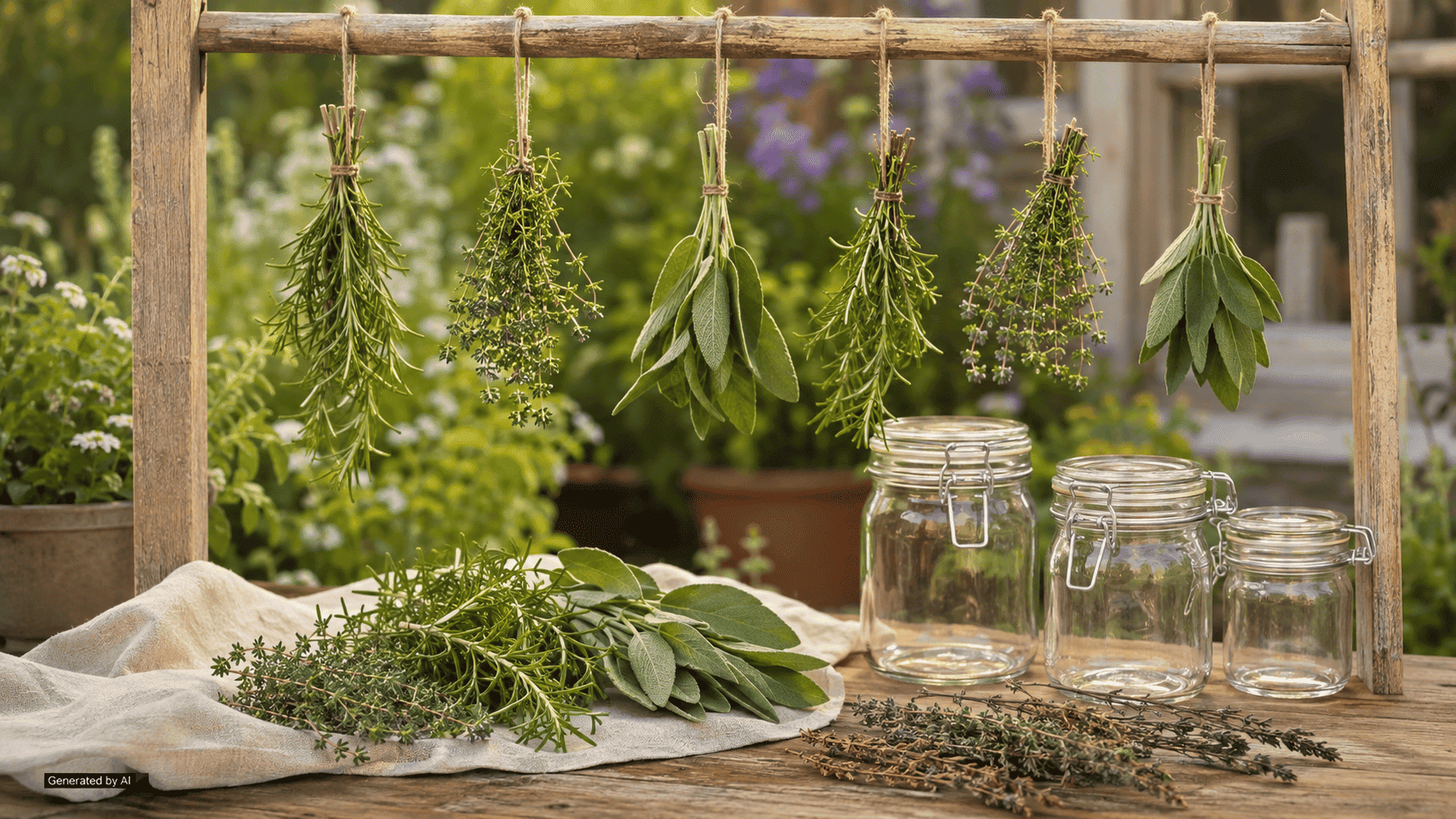
How to Dry and Store Herbs at Home
Compare practical drying methods, recognize when herbs are fully dry, and protect the finished harvest from moisture, heat, and bright light.
Dry and store herbs at home →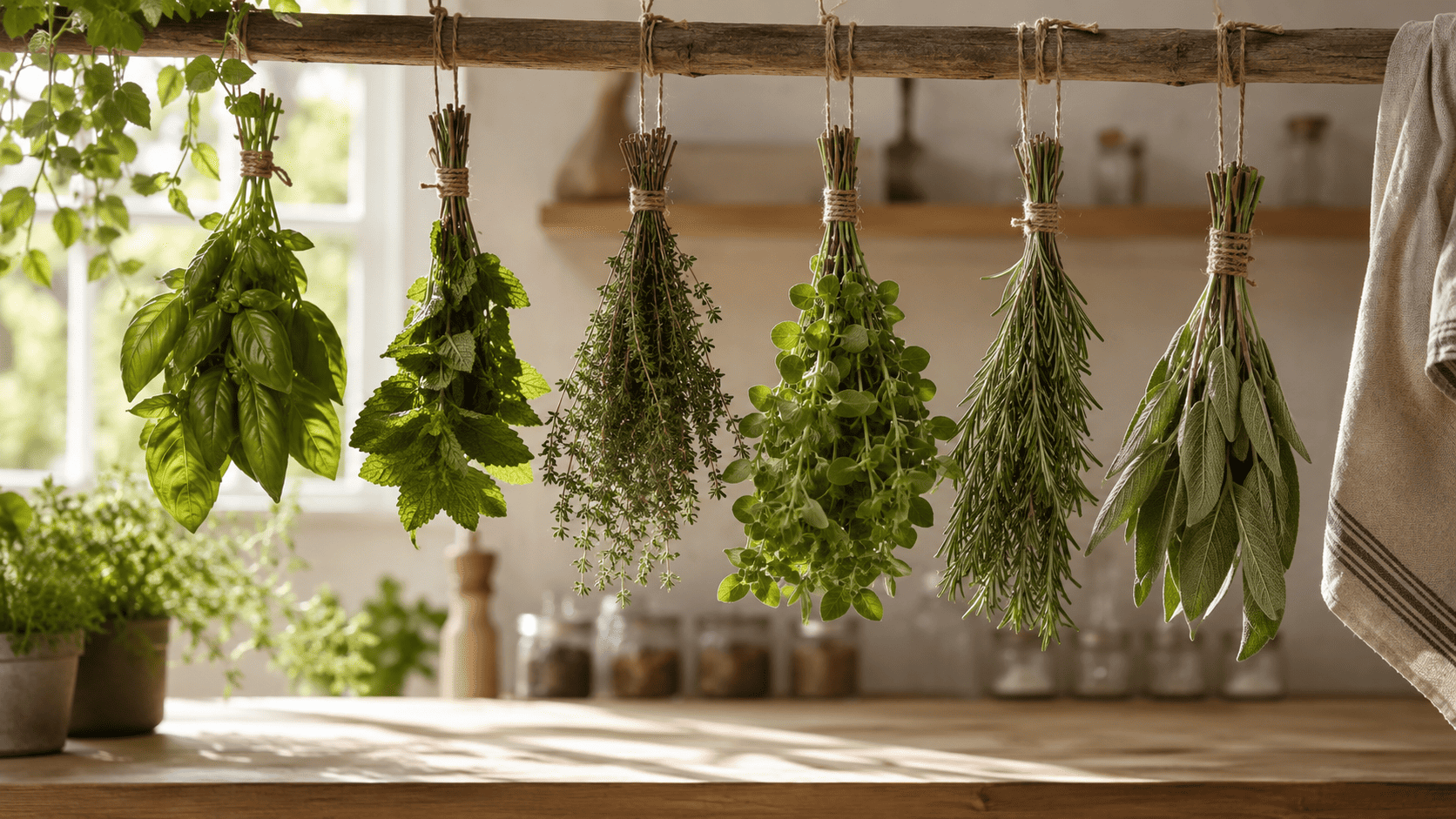
How to Dry Herbs Without Losing Their Flavor
Take a closer look at harvest timing, airflow, gentle drying, and storage choices that can help dried herbs retain more of their natural aroma.
Preserve more herb aroma →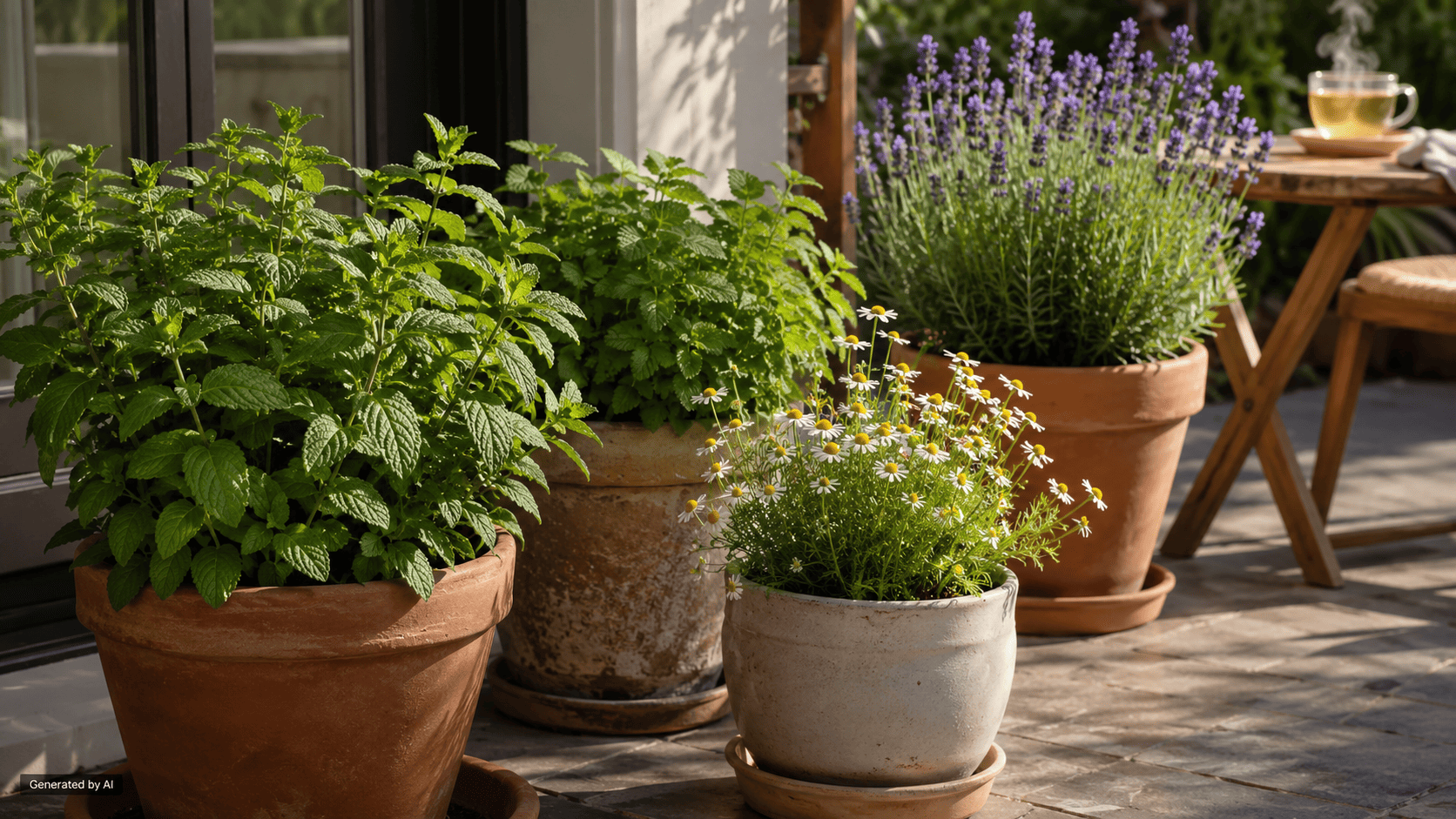
Tea Garden Herbs and Fragrant Plants: Grow a Scented Garden at Home
Plan a fragrant container garden with aromatic herbs while keeping differences in light, moisture, space, and growth habit in mind.
Plan a fragrant herb garden →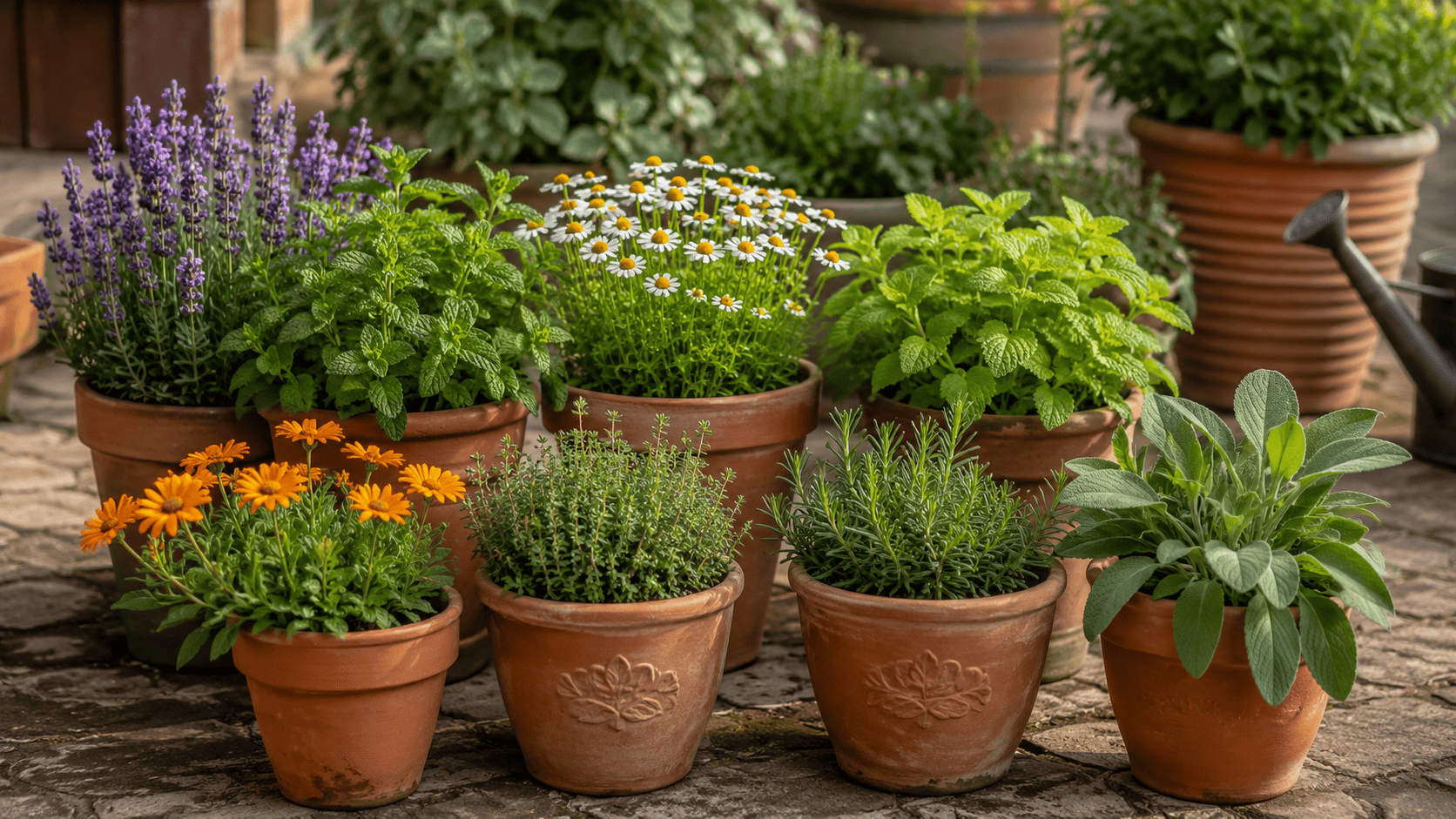
How to Create a Small Healing Herb Garden
Build a compact aromatic herb corner around practical container placement, drainage, thoughtful watering, gentle harvesting, and responsible use.
Create a small aromatic herb garden →These guides focus on growing, fragrance, harvesting, drying, and ordinary culinary use. Fresh herbs are not interchangeable with concentrated extracts, supplements, or essential oils, and a plant being natural does not make every use appropriate for every person.
Use Quick References When You Need a Clear Next Step
Not every plant question needs a long reading session. The Resources area is designed for practical checklists, reminders, and quick-reference help that can support the longer guides across the site.
Check the visible symptom, feel the potting mix, look at the actual light, and inspect drainage before changing several parts of the care routine at once.
Use the category guides to compare the basics first, then open the focused article that matches your plant, space, season, or growing goal.
Not Sure Where to Begin? Check These Four Things in Order
Look at the Light
Notice where the plant actually spends the day and how much usable daylight reaches it. A bright room does not always mean a bright plant location.
Feel the Potting Mix
Check the root zone before watering. Container size, weather, season, airflow, plant type, and light all change how quickly the mix dries.
Check Drainage and Root Space
Make sure excess water can leave the container and inspect the roots before automatically moving a stressed plant into a much larger pot.
Change One Thing at a Time
Make the most sensible adjustment first, then observe. Changing light, watering, potting mix, fertilizer, and container size all at once makes it harder to tell what actually helped.
Choose the Plant-Care Path That Fits Today
You do not need to master every part of gardening at once. Start with the category that matches the question in front of you, open the most relevant guide, and build your routine one useful decision at a time.