
Plant Problems: What’s Wrong With My Plant?
Plant problems can look confusing at first: yellow leaves, brown tips, drooping stems, wet soil, tiny pests, or a plant that simply stopped growing. This hub helps you read the signs calmly, choose the right guide, and avoid making the problem worse with too many quick fixes at once.
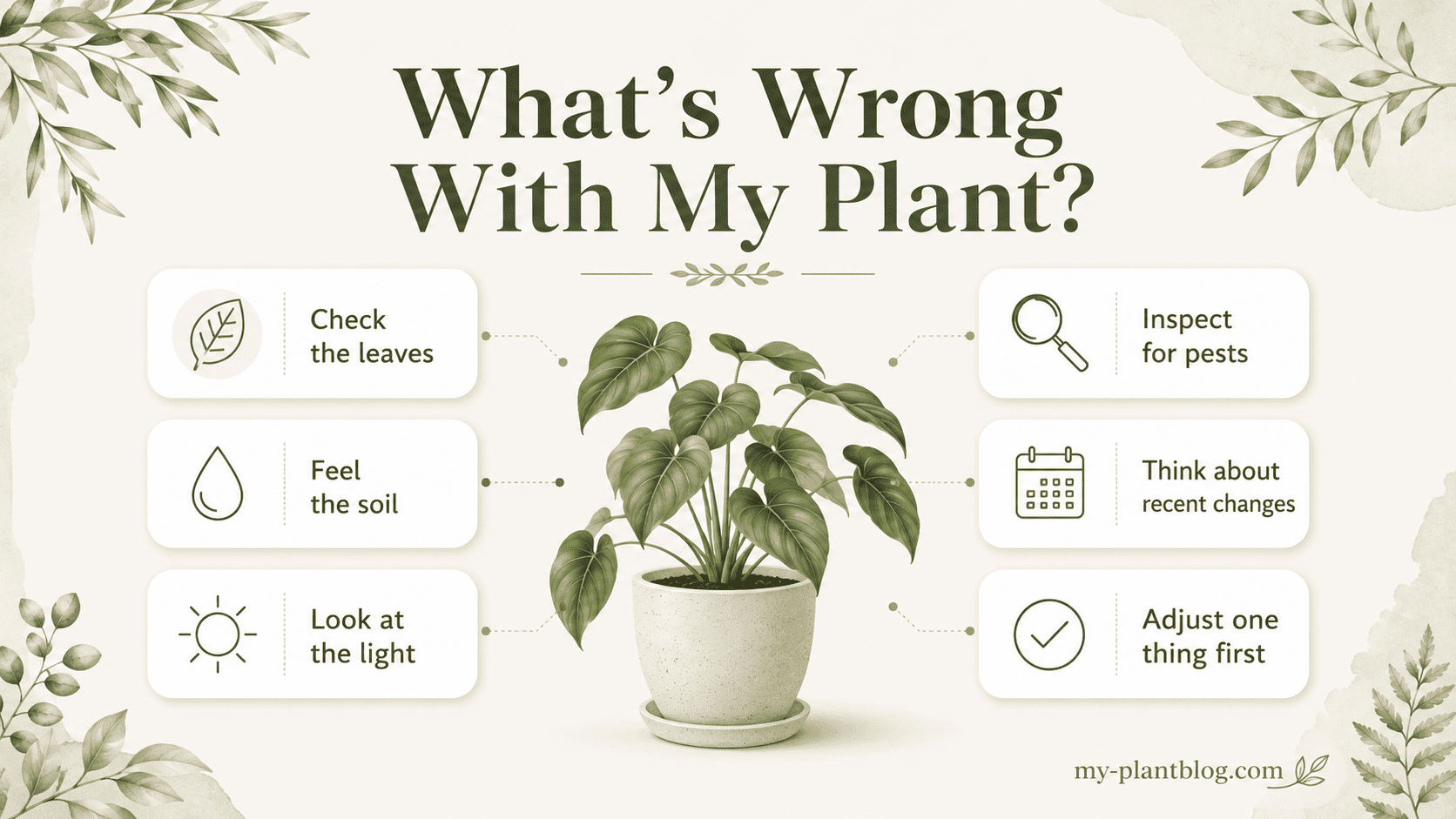
Find the right plant problem
Quick symptom checker for common plant problems
Use this table as a first step. It does not replace a full guide, but it can help you decide which plant problem to look at more closely.
| What you see | Possible causes | What to check first |
|---|---|---|
| Yellow leaves | Overwatering, underwatering, low light, older leaves, nutrient stress | Feel the soil, check drainage, and look at whether new or old leaves are affected. |
| Brown leaf tips | Dry air, inconsistent watering, salt buildup, too much direct sun, damaged roots | Check watering habits, humidity, and whether the plant sits near heat or strong sun. |
| Drooping or wilting | Dry soil, soggy soil, root trouble, heat stress, sudden location change | Lift the pot and check the soil moisture before adding more water. |
| Soft stems or sour-smelling soil | Root rot, poor drainage, heavy potting mix, repeated overwatering | Remove the plant from its pot only if the soil stays wet and the plant keeps declining. |
| Sticky leaves or tiny insects | Aphids, scale, mealybugs, fungus gnats, spider mites, or other pests | Isolate the plant and inspect leaf undersides, stems, and the soil surface. |
| Weak, pale, or leggy growth | Not enough light, low nutrients, cold drafts, compacted soil, seasonal slowdown | Look at the light level and recent growth before reaching for fertilizer. |
Plant problem guides by symptom
Choose the symptom that looks closest to your plant. Each card leads to a focused guide so you do not have to search through everything at once.
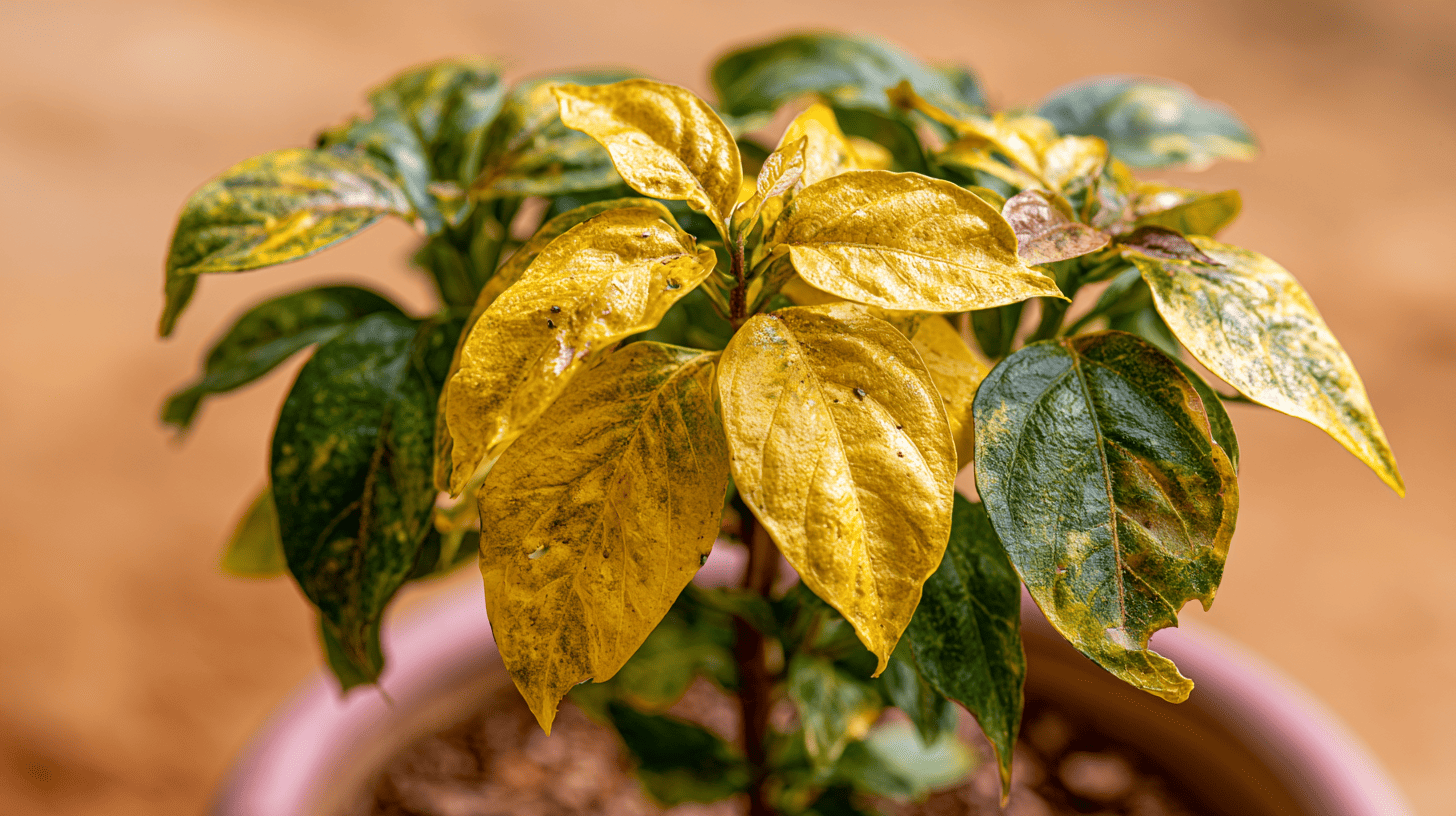
Yellow leaves on plants
Yellow leaves can mean too much water, too little water, low light, natural aging, or stress after a move. The pattern matters more than a single leaf.
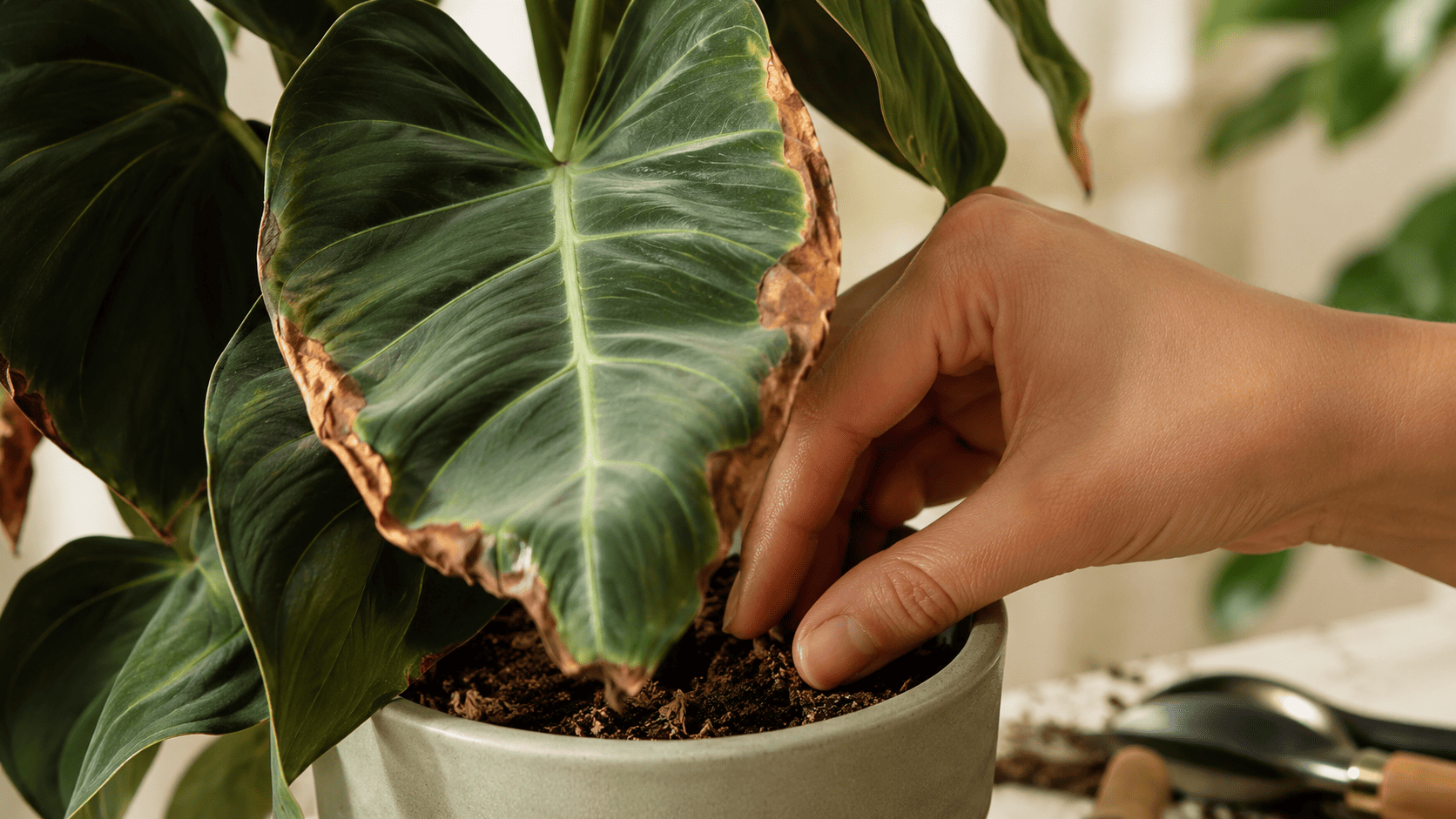
Brown leaf tips and crispy edges
Brown tips often appear when watering is uneven, indoor air is dry, or the plant is exposed to stress. The goal is to stabilize care, not cut everything off immediately.
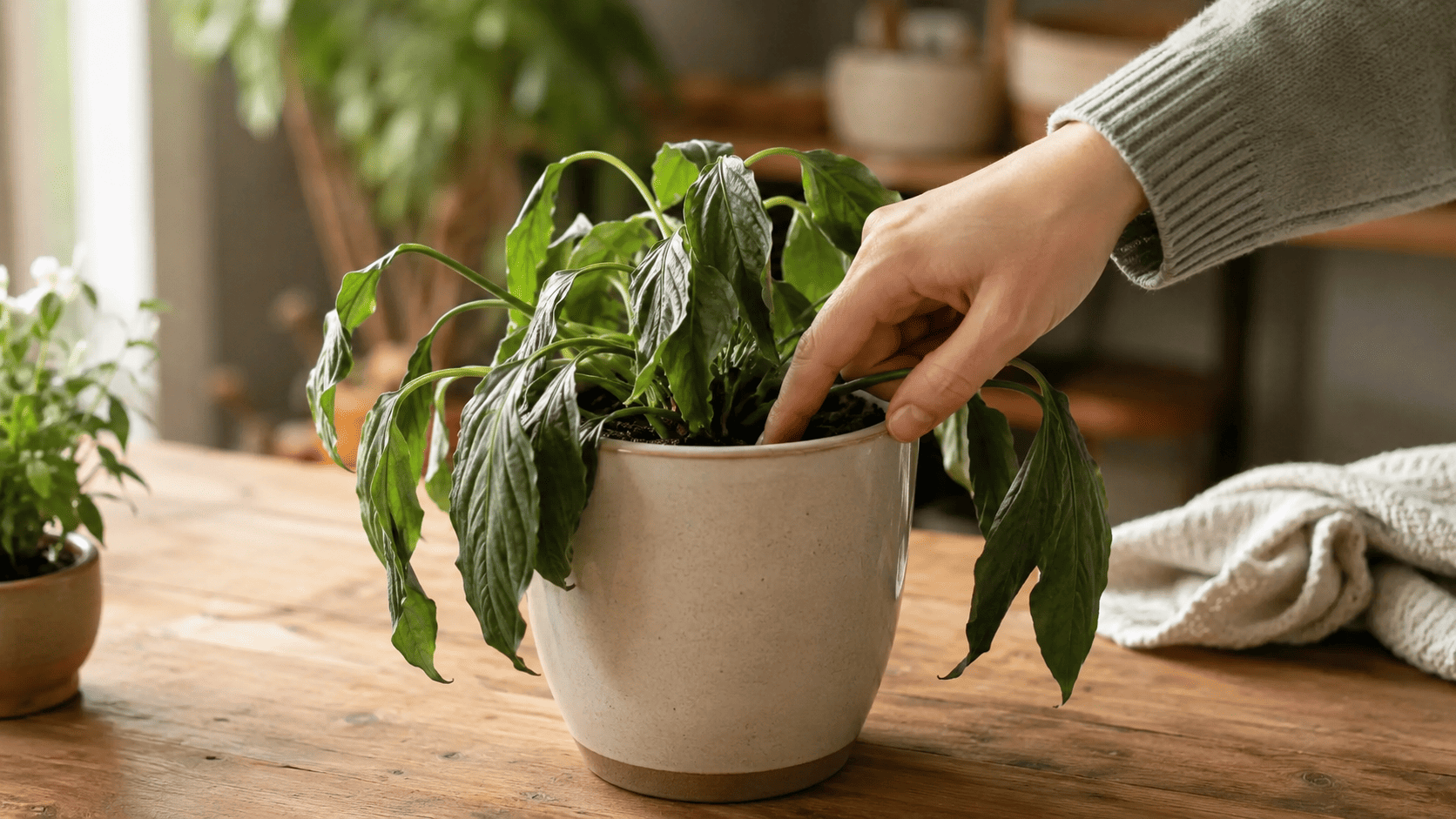
Drooping or Wilting Plants
A drooping plant is not always thirsty. Sometimes roots cannot breathe because the soil is too wet. Checking the soil first can save you from making the problem worse.
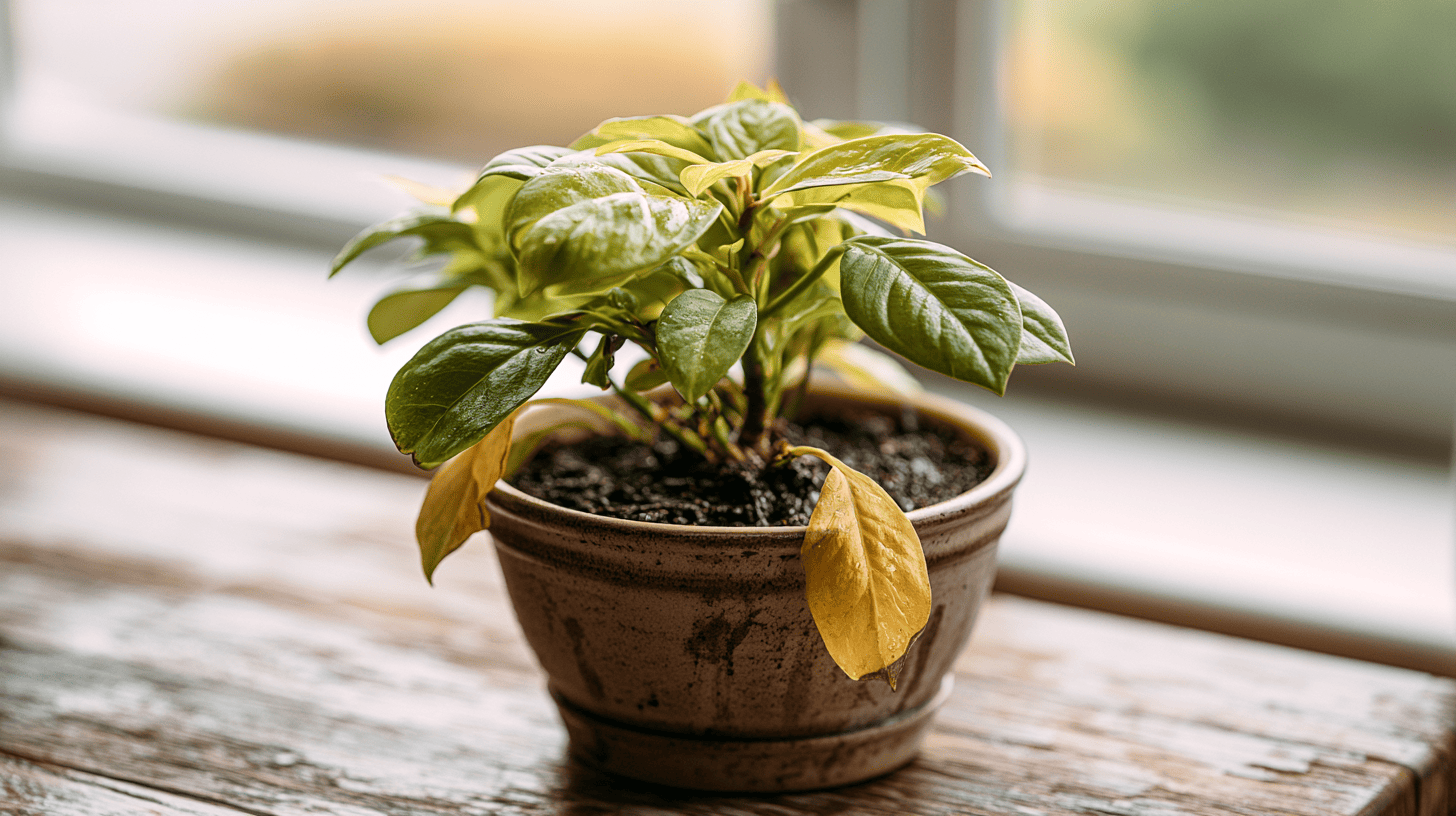
Overwatering and root rot
Root rot is one of the more serious plant problems, but early signs can be subtle: soggy soil, yellowing leaves, soft stems, or a plant that wilts even when the soil is wet.
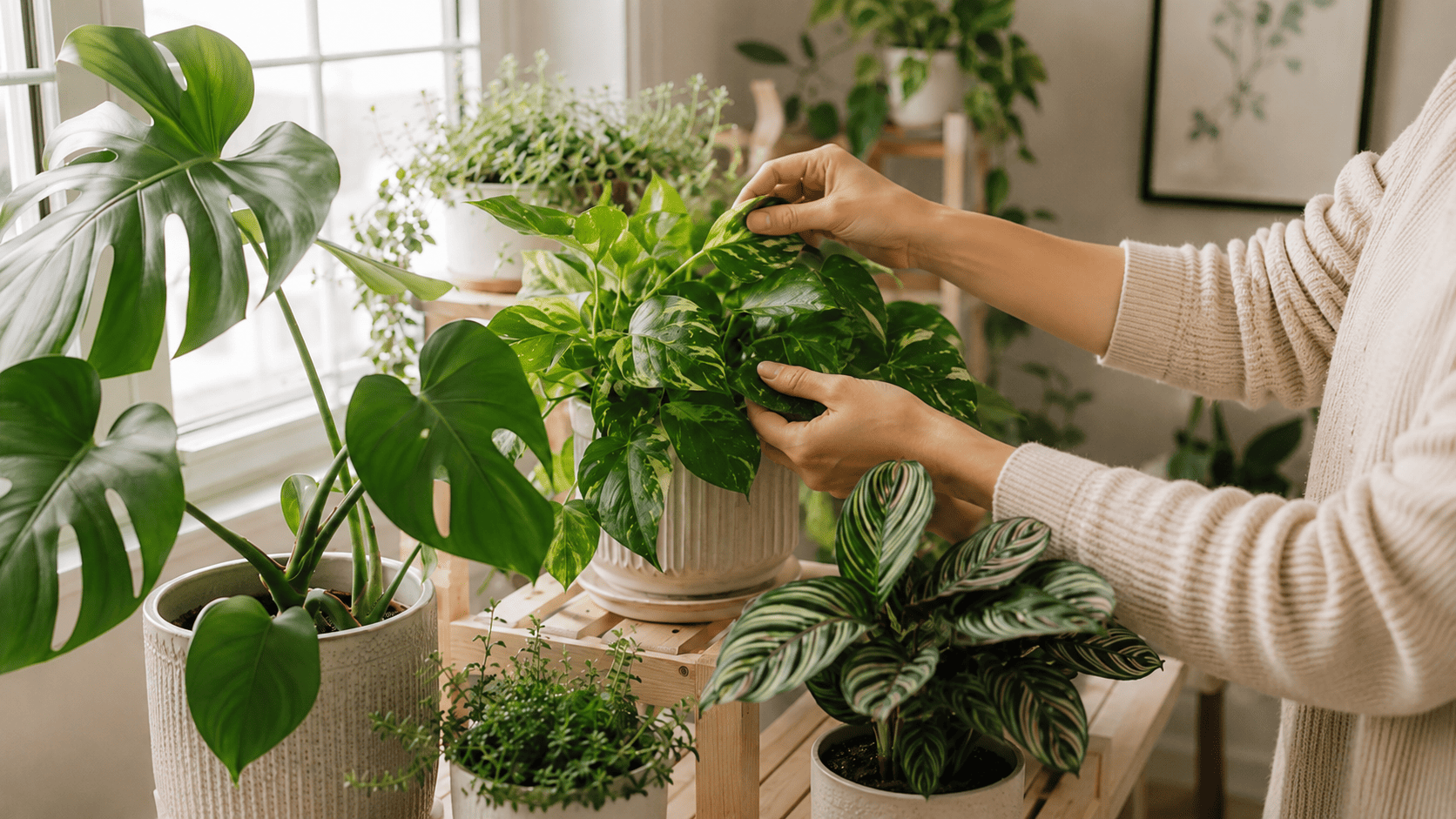
Houseplant pests
Tiny pests are easier to manage when you catch them early. Look under leaves, along stems, near new growth, and on the soil surface.
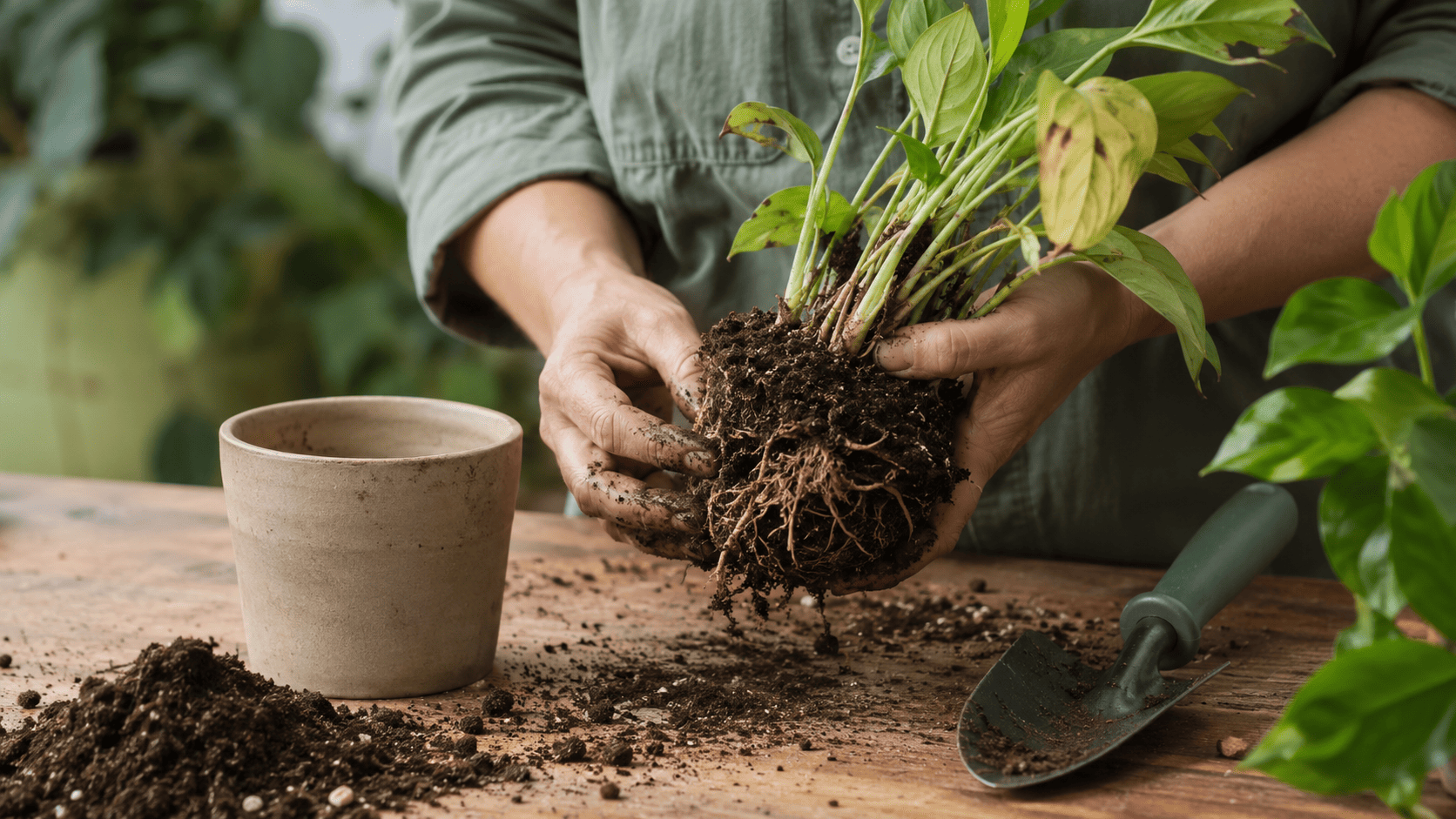
Weak growth and plant rescue
Slow, pale, or stretched growth usually points to light, season, nutrients, or root space. A rescue plan starts with observation, not panic.
New to plant problems? Start here.
You do not need to know every plant disease or pest by name. Start with a few simple checks. This is usually enough to narrow down the problem and choose a calm next step.
Look at the whole plant
Check whether the problem affects one old leaf, many leaves, new growth, stems, or the entire plant. A single yellow old leaf is very different from a plant that is collapsing.
Check the soil before watering
Feel the top inch of soil and, if possible, check a little deeper. Wet soil and dry soil can both cause drooping, so this step matters.
Think about light and location
Has the plant recently moved? Is it near a draft, heater, air conditioner, or strong afternoon sun? Location changes often show up as leaf stress.
Inspect for pests
Look closely at leaf undersides, new shoots, stems, and the soil surface. Sticky leaves, webbing, tiny dots, or white cottony patches are clues.
Adjust one thing at a time
Change watering, light, or care routines gradually. When too many things change at once, it becomes harder to know what actually helped.
Common mistakes that make plant problems worse
Most plant owners mean well. The trouble is that a stressed plant often reacts slowly, while we want fast results. These are the fixes I would approach carefully.
Watering on a strict schedule
A weekly watering day sounds easy, but plants dry out at different speeds depending on pot size, light, season, and room temperature.
Fertilizing a weak plant too soon
Fertilizer is not a medicine. If roots are stressed, light is too low, or soil is soggy, feeding can add pressure instead of solving the cause.
Repotting immediately
Repotting can help in some cases, especially with root rot or compacted soil, but it can also shock a plant that only needed better watering.
Ignoring drainage
A pretty pot without drainage can trap water around roots. If you use a decorative cachepot, make sure extra water is not sitting at the bottom.
Moving the plant again and again
Plants need time to adjust. Repeatedly changing the location can create more leaf drop, especially for sensitive houseplants.
Treating pests before identifying them
Not every spot or damaged leaf is a pest issue. Look closely first, then choose the gentlest useful response for the actual problem.
One damaged leaf does not always mean the whole plant is sick. Look for new symptoms, spreading damage, wet soil, pests, or continued decline before taking bigger action.
Seasonal plant problem tips
The same plant can behave differently in spring, summer, fall, and winter. Before you assume something is seriously wrong, think about the season and your growing conditions.
Spring
Many plants wake up and start new growth. This is a good time to check roots, refresh potting mix if needed, and slowly restart feeding for healthy plants.
Summer
Warm rooms, bright windows, balconies, and patios can dry pots quickly. Watch for crispy edges, sun scorch, and plants that need more frequent moisture checks.
Fall
Growth often slows as light decreases. Some yellowing can be a response to changing conditions, but keep an eye on watering because soil may stay wet longer.
Winter
Indoor plants often struggle with low light, dry air, cold windows, and overwatering. In winter, many plant problems come from doing too much.
- In small apartments, check for dry indoor air, low light, and plants placed too close to heaters.
- On balconies and patios, watch for wind, hot containers, sudden cold nights, and fast-drying potting mix.
- In shaded rooms, weak growth may be more about light than fertilizer.
- For busy beginners, simple weekly observation is more useful than complicated plant care routines.
Helpful tools for solving plant problems
You do not need a big shelf of plant supplies. A few simple tools can make it easier to see what is happening before you take action.
🌿 Helpful plant problem tools
Affiliate note: Some links may be affiliate links. If you buy through them, this blog may earn a small commission at no extra cost to you. Choose only what is genuinely useful for your plants.
Plant problems FAQ
Why are my plant’s leaves turning yellow?
Yellow leaves can come from overwatering, underwatering, low light, old leaves, root stress, or pests. Check the soil moisture first, then look at which leaves are yellowing and whether the problem is spreading.
Are brown leaf tips always a serious problem?
Not always. Brown tips can happen from dry indoor air, inconsistent watering, salt buildup, sun stress, or older leaf damage. If new growth looks healthy, small brown tips are often manageable.
How do I know if my plant is overwatered?
Signs can include soil that stays wet for many days, yellowing leaves, soft stems, fungus gnats, wilting despite wet soil, or a sour smell from the potting mix. Drainage and pot size matter too.
Can a plant recover from root rot?
Sometimes, especially if healthy roots remain. The plant may need damaged roots trimmed away, fresh airy potting mix, better drainage, and a more careful watering rhythm.
Should I fertilize a sick plant?
Usually not right away. Fertilizer helps healthy plants grow, but it does not fix soggy soil, low light, pests, or damaged roots. Solve the stress factor first, then feed when the plant is stable.
Why is my plant drooping even though I watered it?
Drooping can happen from both dry soil and overly wet soil. If the soil is wet and the plant still droops, the roots may be stressed and unable to take up water properly.
What should I do first when my plant looks bad?
Look closely, check the soil, inspect for pests, and think about recent changes in light, temperature, watering, or location. Avoid doing several major fixes at once.
Ready to figure out your plant problem?
Start with the symptom that matches your plant best. You do not need to get everything perfect today. A careful look at the leaves, soil, light, and recent care changes is often enough to choose a better next step.