
Garden & Outdoor: Practical Guides for a Healthier Yard
A healthy outdoor space does not have to begin with a complete redesign. Start with the conditions you already have: sunlight, soil, drainage, weather, and the amount of time you want to spend on upkeep. This Garden & Outdoor guide brings those basics together so you can make useful changes one area at a time.
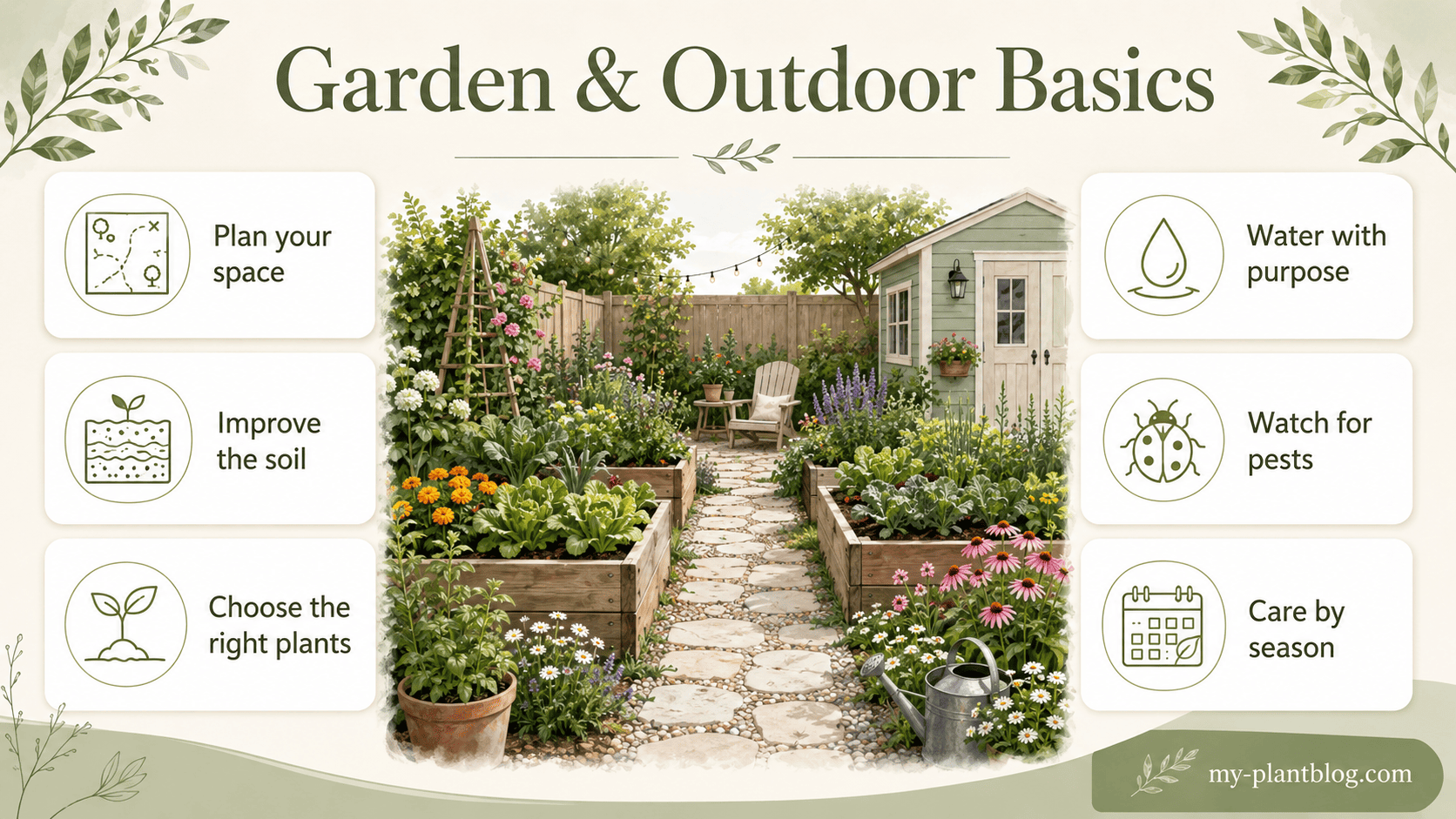
Build Your Garden Around the Conditions You Actually Have
Outdoor gardening gets much easier when you work with the site instead of fighting it. Before choosing plants or changing the layout, notice where the sun falls, how quickly the soil dries after rain, whether water collects in low spots, and which areas are exposed to wind or reflected heat.
Those observations help you decide where a garden bed makes sense, where containers may be more practical, and which plants are likely to settle in without constant correction. A sunny, dry border needs a different approach from a shaded corner with heavier soil, and a raised bed behaves differently from an in-ground bed.
Choose one part of the yard and observe it for several days before making major changes. Sun, shade, drainage, wind, and drying speed are easier to understand when you watch the space at different times of day.
- Check how many hours of direct sun the area receives.
- Notice whether the soil stays wet, dries quickly, or forms a hard surface.
- Plan access to water before adding thirsty plants or many containers.
- Leave enough room for plants to reach their mature size.
- Match the planting plan to the amount of maintenance you realistically want.
Seasonal Garden Care, Easy Plants, and Beginner-Friendly Planning
Use these practical guides to plan a manageable garden bed, choose outdoor plants that fit your site, prepare for seasonal changes, and help established plants cope with summer heat and fall nutrient needs.
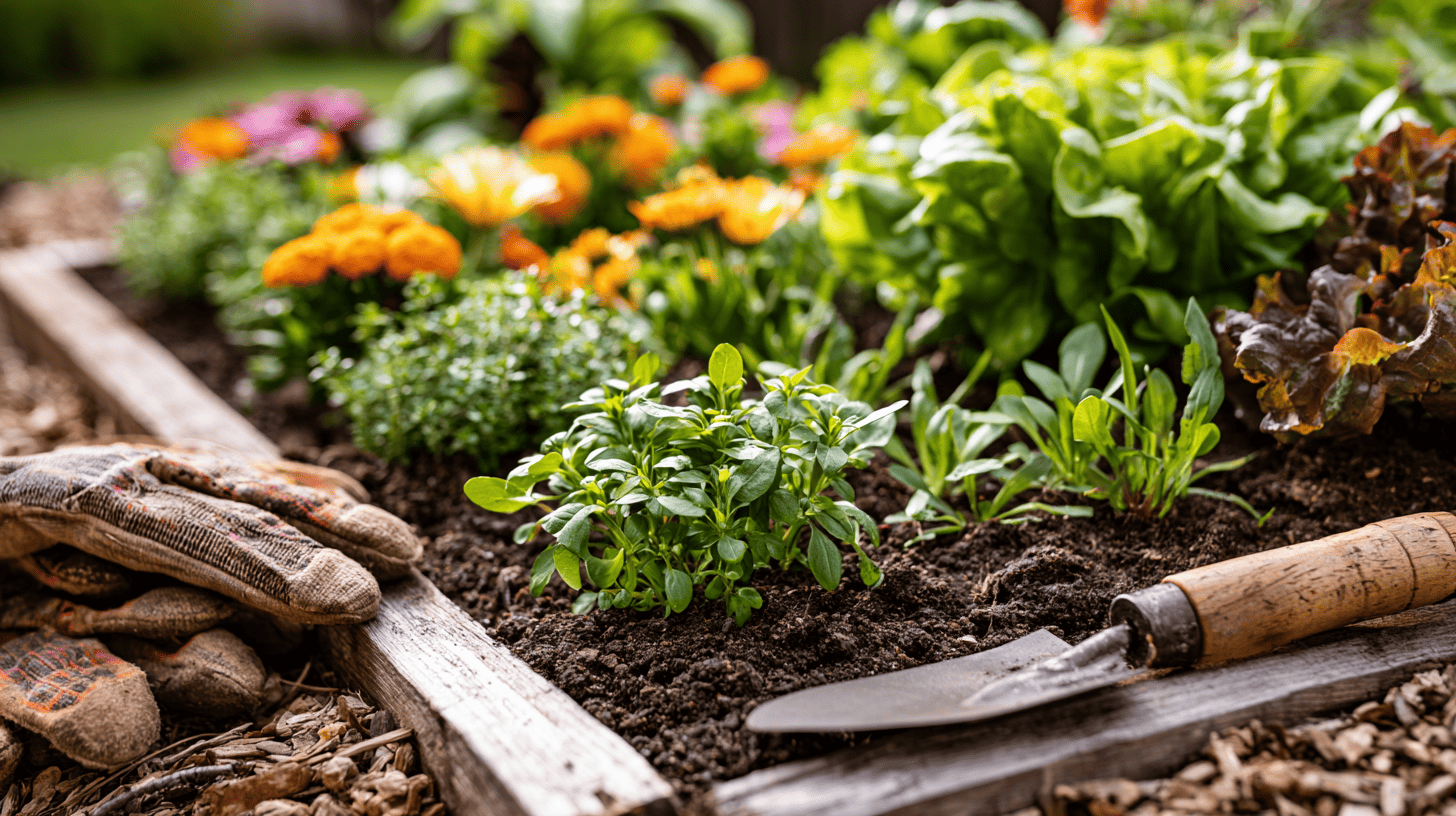
Start with the right location, a manageable bed size, workable soil, sensible spacing, and plants that match the light and growing conditions.
Plan your first garden bed →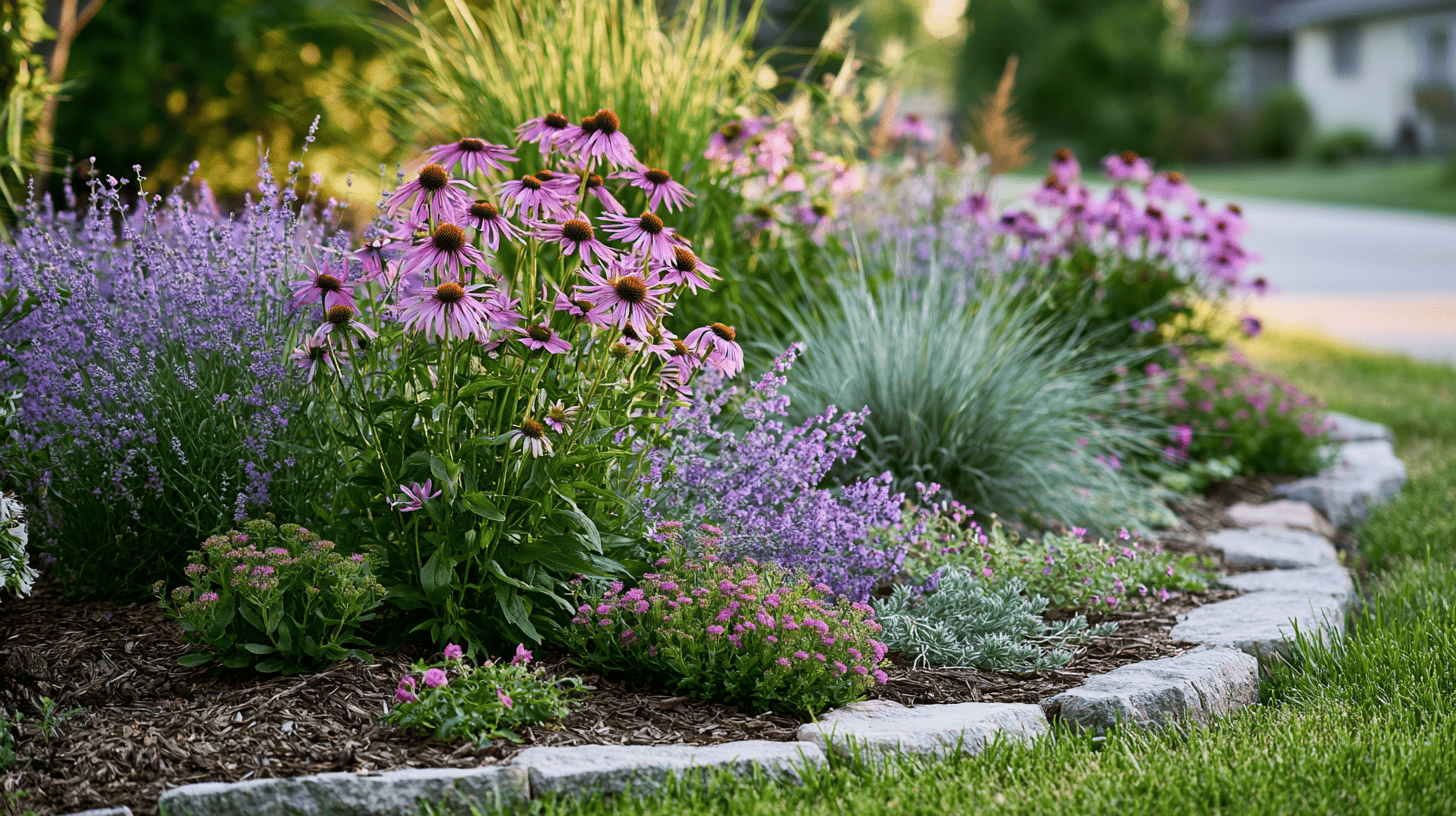
Find forgiving outdoor plants for sunny, partly shaded, and lower-maintenance garden areas, with an emphasis on choosing plants that suit the site.
Explore easy-care garden plants →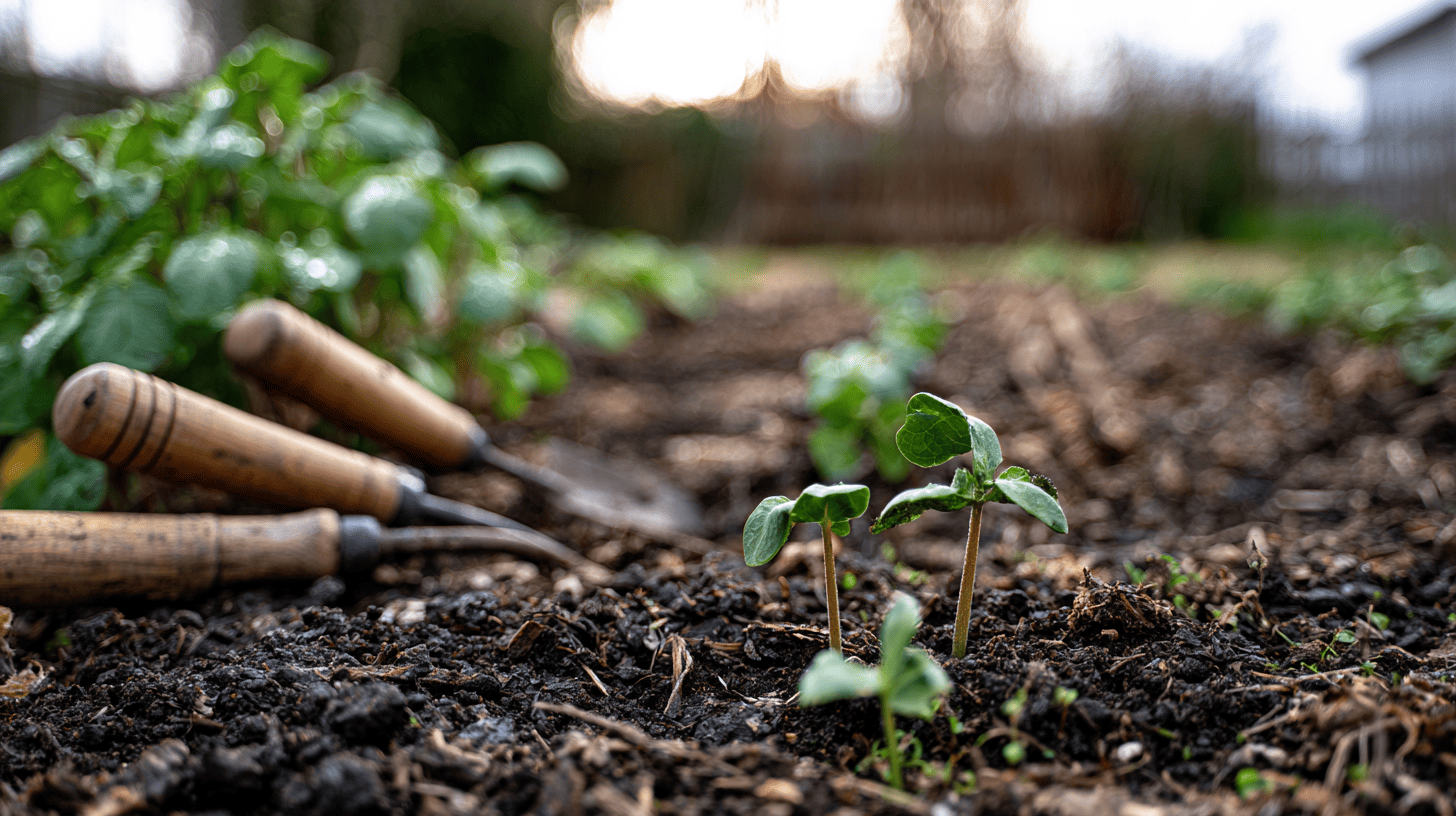
Move from winter into the growing season with gentle cleanup, soil checks, thoughtful pruning, bed preparation, and realistic spring planting plans.
Prepare your garden for spring →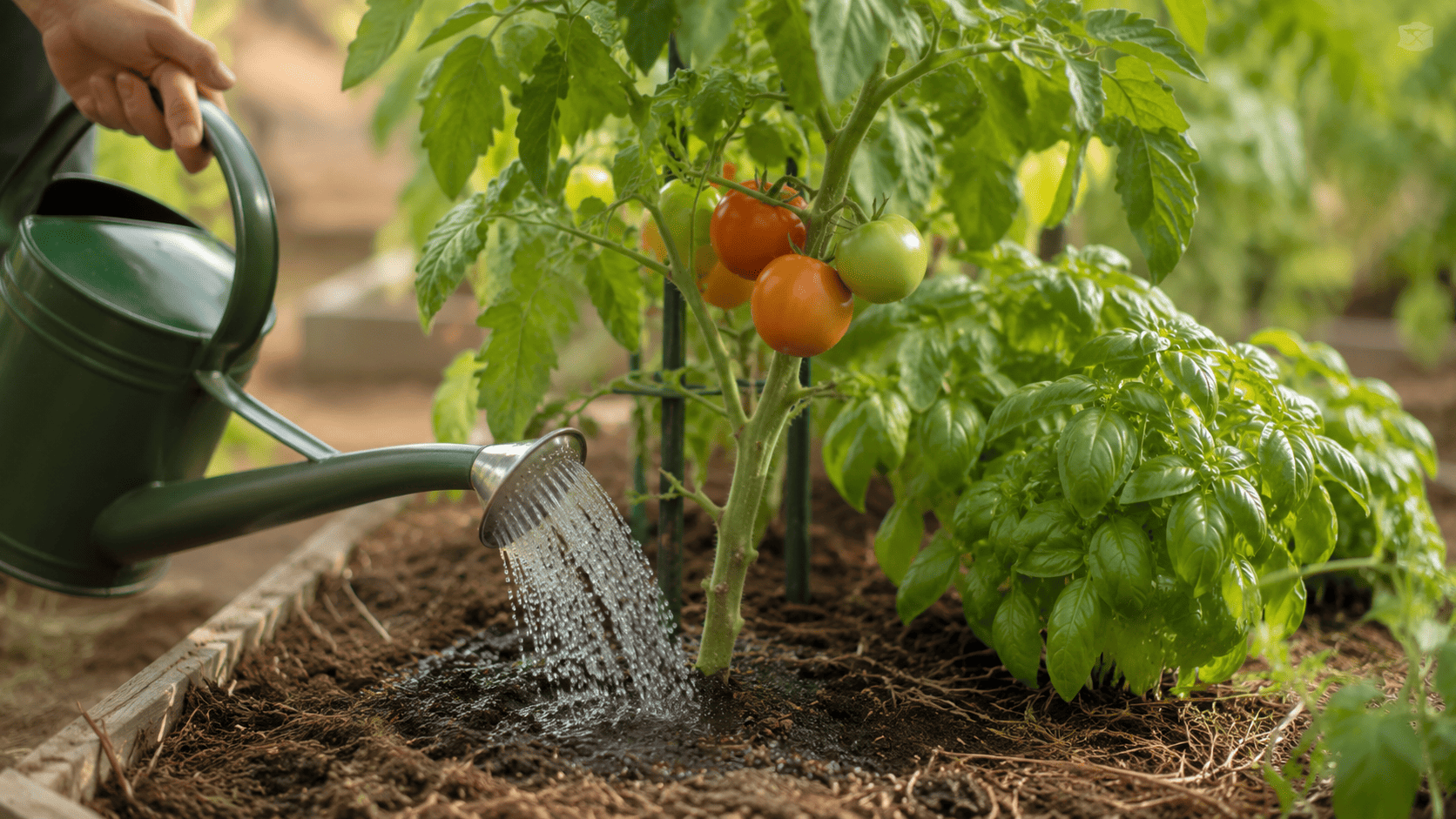
Learn how deeper watering, mulch, temporary shade, and careful observation can help garden beds and containers handle periods of intense summer heat.
Protect your garden during summer heat →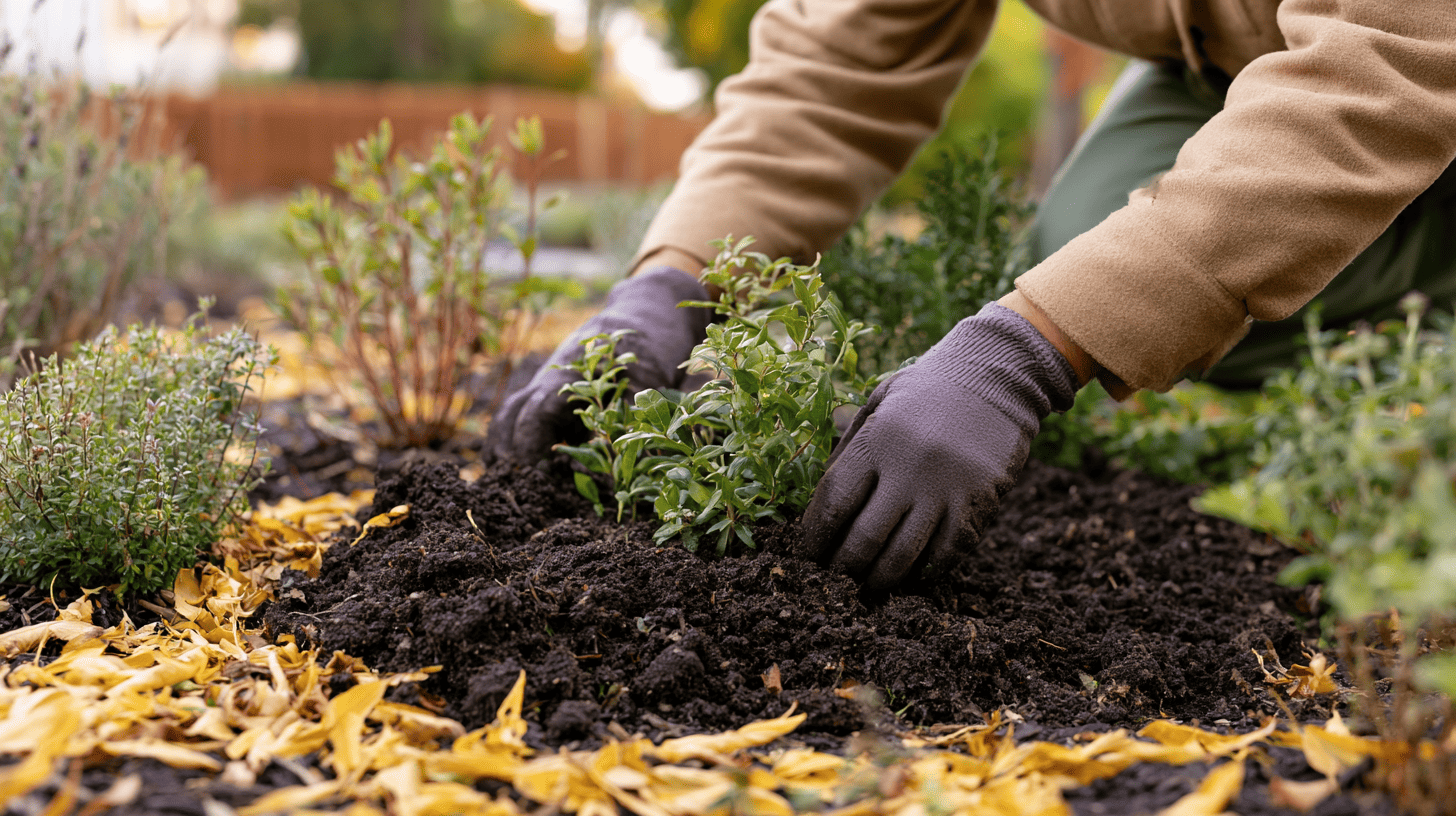
Understand when fall feeding may help, when it is better to stop fertilizing, and why compost and balanced soil care often matter more than pushing new growth late in the season.
Plan fall feeding more carefully →New to Outdoor Gardening? Start With One Manageable Area
A yard can feel complicated when you try to solve every bed, border, container, and seasonal task at the same time. A smaller starting point makes it easier to learn how your space behaves and to see which changes actually help.
Observe Sun, Water, and Wind
Watch the chosen area in the morning, around midday, and later in the day. Notice direct sun, shade, drying wind, runoff, and places where rainwater tends to collect.
Choose One Bed, Border, or Patio Corner
Improve a defined space first instead of spreading your time and budget across the entire yard. One successful area gives you a practical reference for the next project.
Check the Soil and Drainage
Look at texture, compaction, and how the soil behaves after watering or rain. In containers, use a suitable potting mix and functional drainage rather than ordinary yard soil by itself.
Choose Plants for the Site
Match plants to the light, moisture, available space, and local conditions. This is usually more effective than choosing a plant first and trying to force the location to suit it later.
Adjust as the Season Changes
Water use, growth, sunlight, and maintenance needs shift through the year. Keep the routine flexible and respond to current conditions instead of repeating the same tasks on a fixed calendar.
Garden Mistakes That Are Easier to Prevent Than Correct
Most beginner mistakes come from acting before the site has been observed closely enough. These are useful points to check before buying more plants or changing several things at once.
| Common mistake | Why it can cause trouble | A better first step |
|---|---|---|
| Planting before checking sunlight | A plant may receive much more or much less direct sun than expected. | Observe the area at several times of day before choosing plants. |
| Working very wet soil | Wet soil can compact easily and become harder for roots to move through. | Wait until the soil is workable rather than sticky or saturated. |
| Planting too close together | Young plants can look widely spaced at first but become crowded as they mature. | Check mature width and leave enough room for growth and airflow. |
| Watering every area the same way | Sun, soil type, plant size, containers, wind, and recent rain change drying speed. | Check moisture and current weather before watering. |
| Treating every insect as a pest | Outdoor spaces contain many harmless or beneficial insects alongside true plant pests. | Identify what you are seeing and assess the actual damage before choosing a response. |
When an outdoor plant looks stressed, look at soil moisture, drainage, recent weather, light, root disturbance, and visible damage before changing fertilizer, watering, or pest-control routines.
Let the Garden Routine Change With the Season
Outdoor care is rarely the same from spring through winter. The exact timing depends on your climate and the plants you grow, but the focus naturally shifts as weather, daylight, growth, and soil conditions change.
Check winter damage, watch soil conditions, prepare beds when the ground is workable, and give new growth room before filling every open space.
Pay closer attention to soil moisture, hot containers, strong afternoon sun, wind, and newly planted areas that have not established deep roots yet.
Review what performed well, manage fallen material thoughtfully, prepare tender plants for colder weather, and use the quieter pace to plan future changes.
Protect plants that need it, avoid unnecessary disturbance when soil is frozen or saturated, and use dormant periods for planning rather than constant intervention.
Garden & Outdoor FAQ
Where should a beginner start with an outdoor garden?
Start with one manageable area and learn its sun, soil, drainage, and watering pattern. Once those conditions are clear, choose plants that fit the site instead of trying to redesign the entire yard at once.
How do I know whether an outdoor area is full sun?
Observe the actual hours of direct sunlight rather than judging by how bright the area looks. Sun exposure can change through the day and across the seasons, especially near buildings, fences, and trees.
How often should I water a garden bed?
There is no single interval that fits every bed. Soil type, recent rain, heat, wind, plant size, and root depth all affect how quickly moisture is used. Check the soil and water according to current conditions rather than a rigid calendar.
Can I use garden soil in outdoor containers?
Ordinary yard soil can become dense inside a container. For most patio pots and planters, a potting mix intended for containers is a more practical starting point because it is designed to balance moisture, drainage, and air around the roots.
What makes an outdoor garden easier to maintain?
Choose plants that suit the site, leave enough spacing, group plants with similar water needs, keep paths practical, and avoid creating more planted area than you want to care for regularly.
What should I do before reacting to insect damage?
Look closely at the plant and identify the insect or damage pattern when possible. Check how much of the plant is affected and whether the problem is spreading before deciding on a response.
Build Your Outdoor Space One Useful Step at a Time
You do not need to solve the whole yard in one season. Start with the clearest question, make one practical change, and use what you learn to guide the next bed, border, or container.