
How to Keep Your Garden Healthy During Summer Heat
When summer heat makes your plants wilt, start with the soil—not the hose. Check moisture below the surface, water the root zone slowly when needed, cover exposed soil with mulch, and give vulnerable plants temporary afternoon shade. Garden beds, raised beds, and patio pots need different attention, so use the quick checks below to decide what actually helps.
In this guide
A drooping plant is not always a thirsty plant. Check the soil a few inches down and see whether it recovers after sunset. If the root zone is dry, water slowly and thoroughly. If it is still moist, look at heat exposure, drainage, and root health before adding more water.
Check for Heat Stress Before You React
Summer heat increases water loss through leaves while sun and wind dry the soil. Containers may heat up quickly, and plants with shallow or damaged roots often struggle first. Some plants temporarily droop or curl their leaves during the hottest hours, then recover once conditions cool.
Start with three observations: how the plant looks in the morning, whether the soil is moist deeper down, and whether the affected leaves show lasting damage. A plant that stays limp overnight deserves more attention than one that briefly wilts in the afternoon.
| What you notice | What it may mean | What to do first |
|---|---|---|
| Afternoon drooping; recovery by evening | Temporary response to intense heat | Check deeper soil moisture; offer airy afternoon shade if needed. |
| Wilting in the morning; dry root zone | Water deficit | Water slowly until moisture reaches the roots; recheck later. |
| Wilting with consistently wet soil | Heat stress, poor drainage, or damaged roots | Stop automatic watering; inspect drainage and root-zone conditions. |
| Crispy edges, scorched patches, or flower drop | More persistent sun or heat stress | Protect from harsh afternoon sun and monitor new growth. |
For a broader symptom check, use the Plant Problems guide. Remember that drooping alone cannot tell you whether the soil is too dry or too wet.
Water Deeply, Not Constantly
A quick surface sprinkle may leave the deeper root zone dry. When a bed needs water, apply it slowly at the base of the plants. A soaker hose, drip line, or gentle watering can lets moisture soak in rather than running over hard, dry soil. Pause if water pools or runs off, then continue once it absorbs.
Check the soil before choosing a schedule
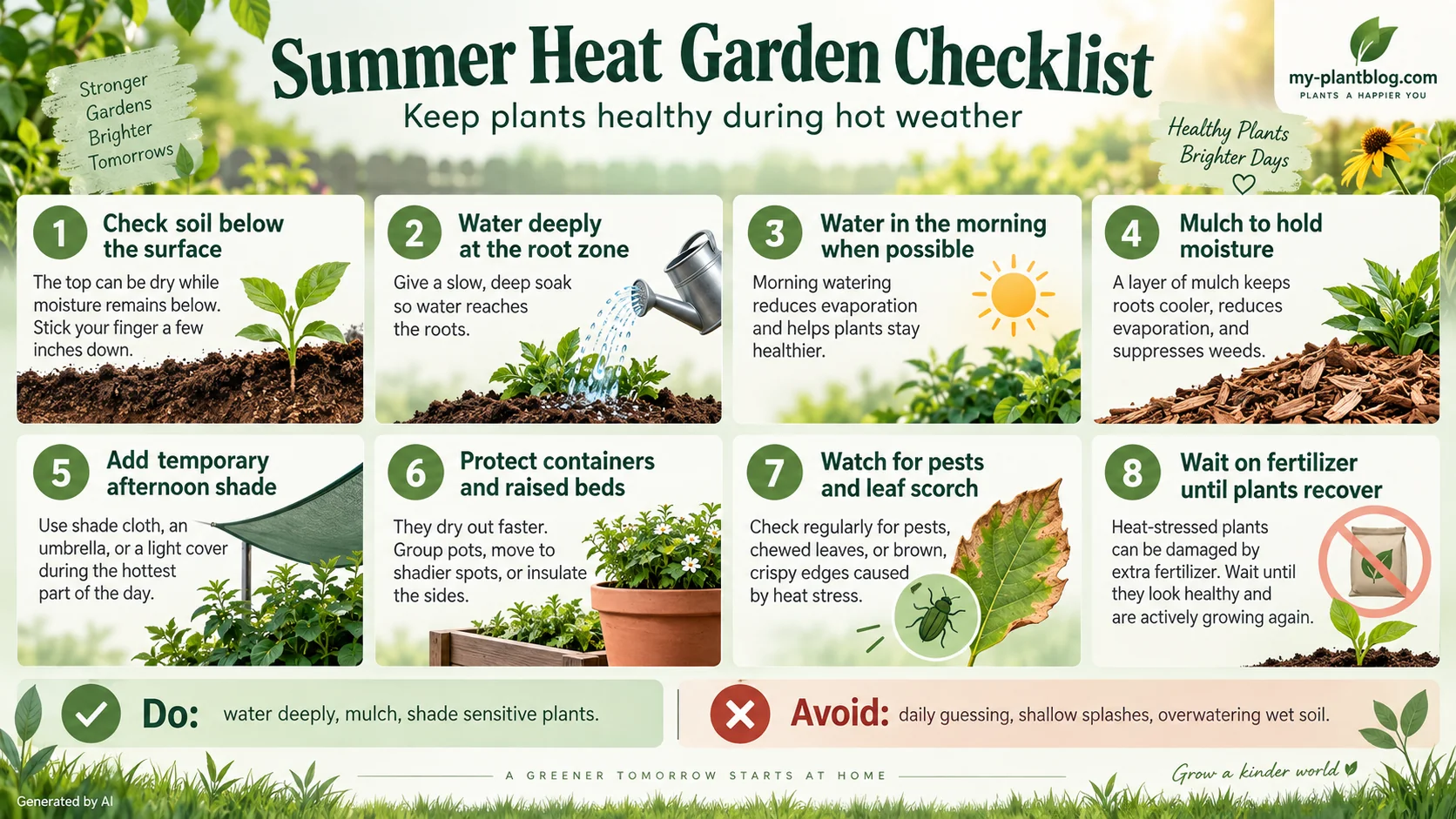
Push a finger or small trowel a few inches below the surface, close to but not through the roots. Garden soil can be dry on top and moist underneath. Sandy soil may dry faster; heavier soil may retain water longer. Newly planted seedlings and shallow-rooted crops need closer checks than established, deep-rooted plants.
A weekly watering rule is only a starting point. For practical comparisons across beds, outdoor containers, and houseplants, see how often to water plants.
When is the best time to water?
Early morning is usually the most practical time. Water reaches the root zone before the hottest part of the day, and any wet foliage has time to dry. Evening watering is also useful when plants need it; direct water toward the soil, especially on humid nights. If a plant is seriously wilted and its soil is dry at midday, water it then rather than waiting for a perfect hour.
Do not keep adding water to a wilted plant when the soil is already wet. Excess moisture and poor drainage can deprive roots of air, making recovery harder.
Keep Roots Cooler With Mulch and Temporary Shade
Cover moist soil with mulch
Organic mulch slows evaporation, moderates soil temperature, and helps prevent a hard surface crust. Try straw or shredded leaves around vegetables, or appropriate bark and wood chips in ornamental beds. Water dry soil first, then lay an even layer of mulch. Keep it a little away from stems and tree trunks, and avoid burying small seedlings.
For many established beds, roughly 2–3 inches of loose organic mulch is a useful starting point, adjusted for the material and plants. In small containers, use a thinner layer that does not block watering or crowd the stems.
Offer shade without trapping hot air
Young plants, leafy greens, new transplants, hydrangeas, and sensitive containers may benefit from shade during the strongest afternoon sun. Use a breathable shade cloth, umbrella, or lightweight fabric held above the plants with an open side for airflow. Keep the cover from resting directly on delicate foliage; remove temporary shading when the hot spell ends.
Shade protects leaves from intense radiation, but it does not replace moisture at the roots. Pair it with a soil check rather than treating it as a standalone rescue. For a clearer distinction between full sun, partial shade, and plant-specific light needs, see Plant Light Needs Explained.
Protect Containers, Raised Beds, and Hot Patios
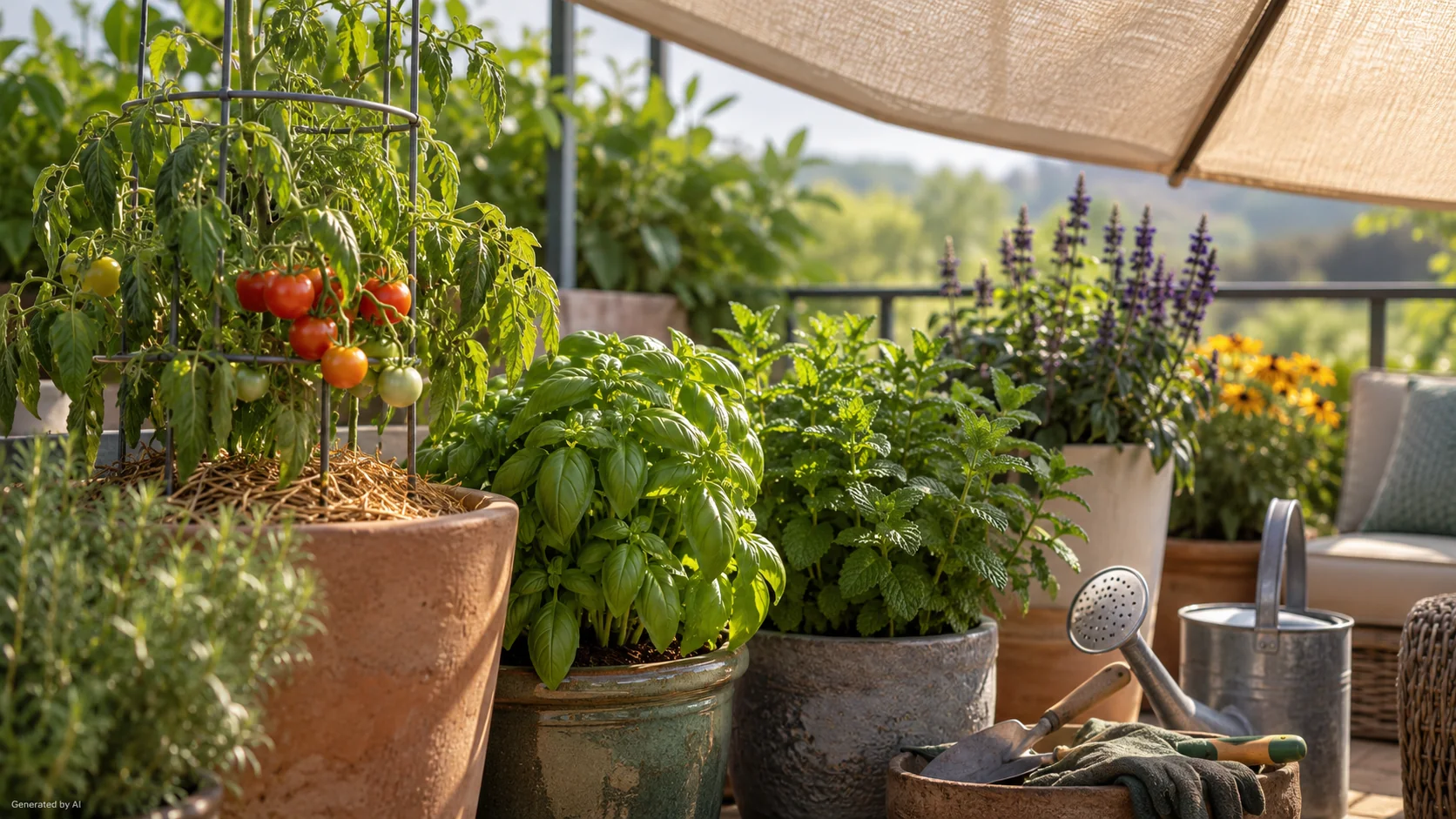
Pots have limited root space and can dry out much faster than in-ground beds. Dark containers on paving, near reflective walls, or in strong wind may become especially hot. A large leafy tomato in a small pot needs a different routine from an established shrub in open soil.
Check daily in a heat wave
Feel the potting mix and lift smaller pots to judge weight. Water thoroughly when needed, let excess drain, and shift movable pots away from reflected afternoon heat.
Watch the edges
Raised beds can dry faster, especially near exposed sides. Check below the surface, water slowly, and cover bare soil with mulch.
Reduce reflected heat
Move pots away from scorching walls or pavement when possible. Group compatible containers without crowding airflow, and give sensitive plants afternoon shade.
If a pot wilts soon after a thorough watering, check whether water actually penetrated the mix, whether roots are crowded, and whether drainage is working. Avoid major repotting in the middle of extreme heat unless there is a pressing root or drainage problem. For general information on potting mix, drainage, and root space, explore the Grow Guides.
Care for Vegetables, Flowers, and Herbs Differently
Vegetables: keep moisture reasonably consistent
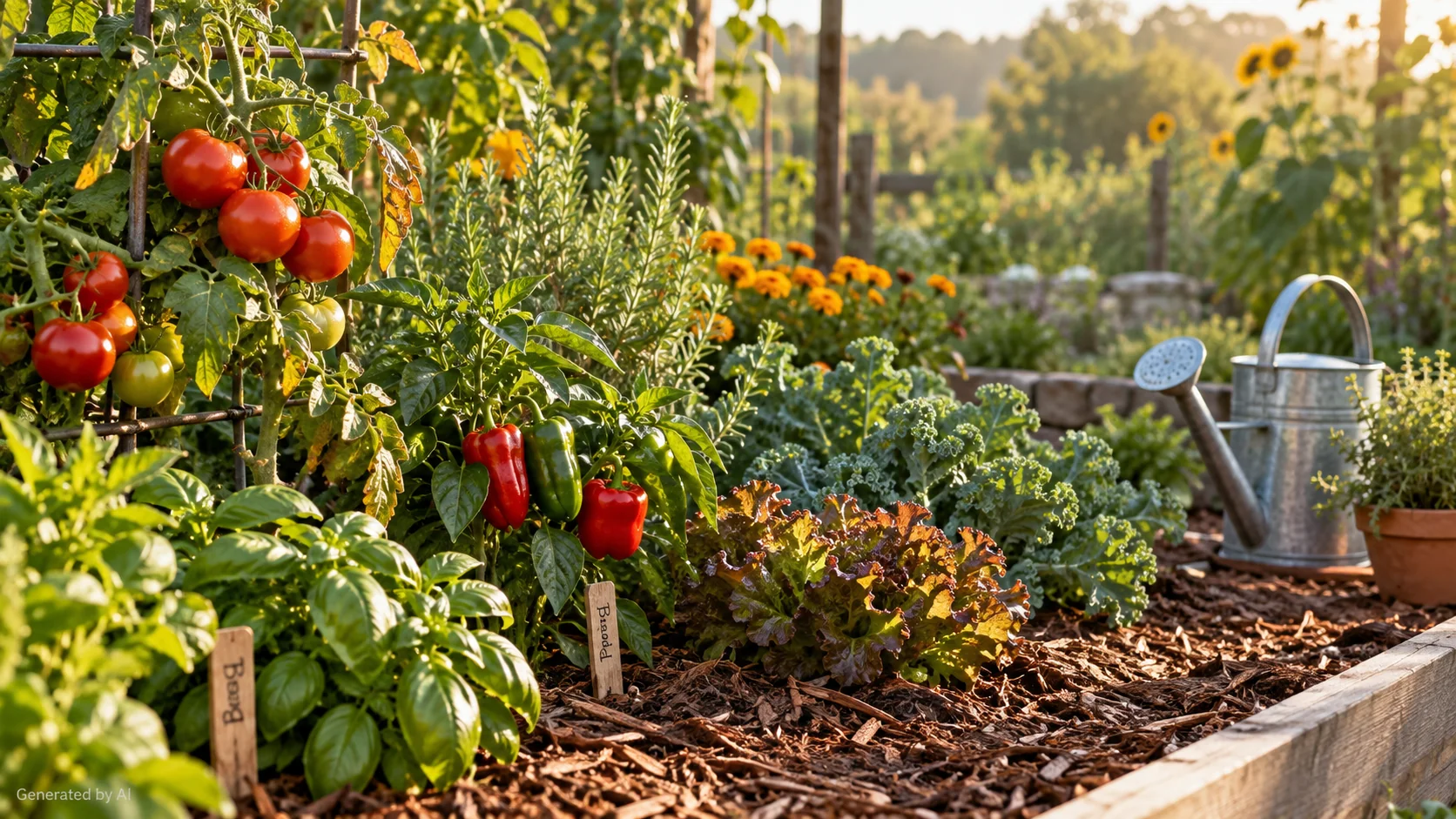
Tomatoes, peppers, cucumbers, squash, beans, and leafy greens may pause growth, curl leaves, or drop flowers during extreme heat. Keep the root zone from swinging between very dry and soggy. Mulch and careful watering help; temporary shade is particularly useful for tender greens and new transplants. Blossom drop in a hot spell does not always mean the plant needs fertilizer.
Flowers and shrubs: protect established roots
Flowering annuals may slow down temporarily. Remove spent flowers or clearly dead material when appropriate, but postpone heavy pruning during extreme heat. Newly planted shrubs and perennials need closer moisture checks until their roots establish.
Herbs: do not water every pot the same way
Basil and mint typically use water differently from rosemary, thyme, lavender, and sage. Check each container individually, ensure drainage, and avoid keeping Mediterranean herbs constantly wet. For more detail, explore the herb-growing guides.
Fertilizer: wait until plants stabilize
Fertilizer cannot fix a dry root zone or overheated pot. Hold off on strong feeding while a plant is badly wilted. First correct moisture and exposure; resume appropriate feeding when growth recovers, following the product label and the plant's needs.
Watch for Pests and Improve the Soil Over Time
After several hot, dry days, check leaf undersides for tiny moving specks, pale stippling, or fine webbing that may indicate spider mites. Aphids and whiteflies may also appear. Identify the problem before treating it; do not assume that every brown patch is pest damage.
Compost can gradually improve soil structure and moisture retention. In an established bed, apply a modest surface layer and mulch rather than aggressively digging around heat-stressed roots. Over the longer term, match plants to the site's light, soil, and available water. The Garden & Outdoor guides offer more help with planning and seasonal care.
The University of Minnesota Extension also recommends checking soil moisture, watering the root zone deeply, mulching, and temporarily shading sensitive plants. See its summer heat gardening advice.
Summer Heat Garden Care Checklist
Follow these practical checks during a hot spell. Tick each task as you complete it, and adjust the routine to your weather, soil, and plants.
Your Heat-Wave Care Plan
Start with the root zone. A wilting plant does not always need more water.
01 · Early morning
02 · Hottest hours
03 · Evening check
04 · After the hot spell
Important: If the soil is already wet and a plant is still wilting, do not water again automatically. Check drainage, heat exposure, and root health first.
Common Summer Garden Mistakes to Avoid
Rainfall, soil type, plant size, and wind matter more than a rigid calendar. Check the root zone first.
Water may never reach deeper roots. Use a gentle, thorough soak when needed.
Exposed soil heats and loses moisture quickly. Mulch moist ground without burying stems.
Too much water, fertilizer, pruning, and repotting can add stress. Correct the clearest problem first.
Summer Garden Heat Care FAQ
Should I water my garden every day during a heat wave?
Not automatically. Some outdoor pots may need daily checks and watering, while established beds often hold moisture longer. Check the root zone and water based on what it needs.
Why do my plants wilt even when the soil is wet?
Heat can cause temporary drooping even with moist soil. Persistent wilting can also indicate poor drainage or damaged roots. Check recovery overnight and inspect the growing conditions before watering again.
Is morning or evening better for watering?
Early morning is usually best. Evening works when necessary, especially if you water the soil rather than leaving foliage wet overnight. Do not delay urgently needed water for a severely wilted plant in dry soil.
Will mulch help in extreme heat?
Yes. A suitable layer of mulch limits evaporation and helps moderate soil temperature. Apply it over moist soil and keep it away from plant stems.
Should I fertilize plants that look tired from heat?
Wait until the plant has recovered from severe heat or moisture stress. Fertilizer does not solve poor watering, drainage, or a scorching location.
Your Best First Step: Check the Soil
During summer heat, steady care works better than dramatic fixes. Observe the plant, check moisture below the surface, water when the root zone needs it, and protect vulnerable plants with mulch or temporary shade. Watch for recovery before changing anything else.
