
Grow Guides for Healthy Plants
Healthy plant care gets easier when you understand how light, water, potting mix, drainage, root space, and the season work together. Use these practical Grow Guides to solve one plant-care question at a time and build a routine around what your plants actually need.
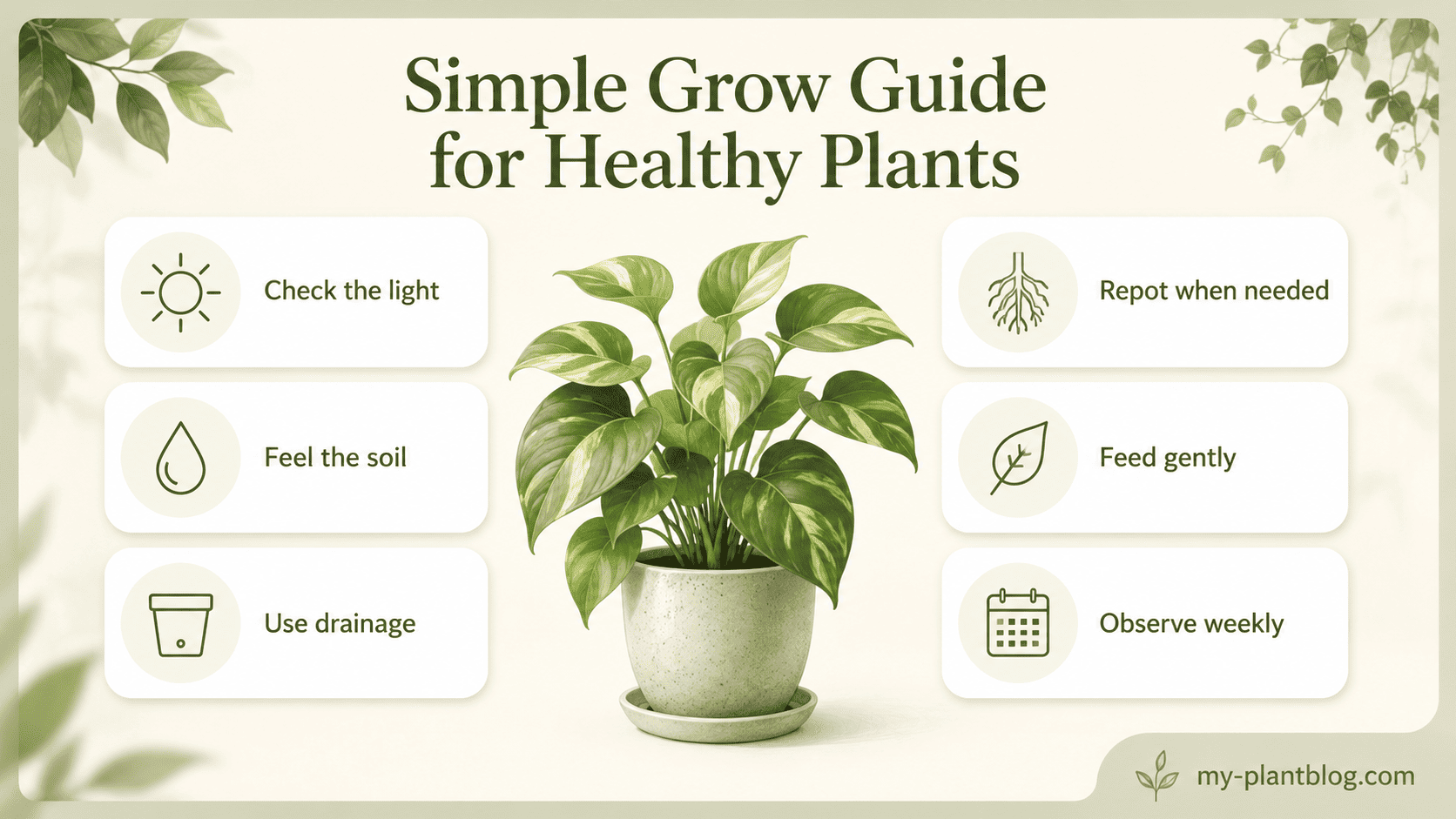
Find the right section
All Grow Guides
Choose the guide that matches the question you are trying to solve. Each article focuses on a practical part of plant care, and the linked image takes you directly to the same guide.
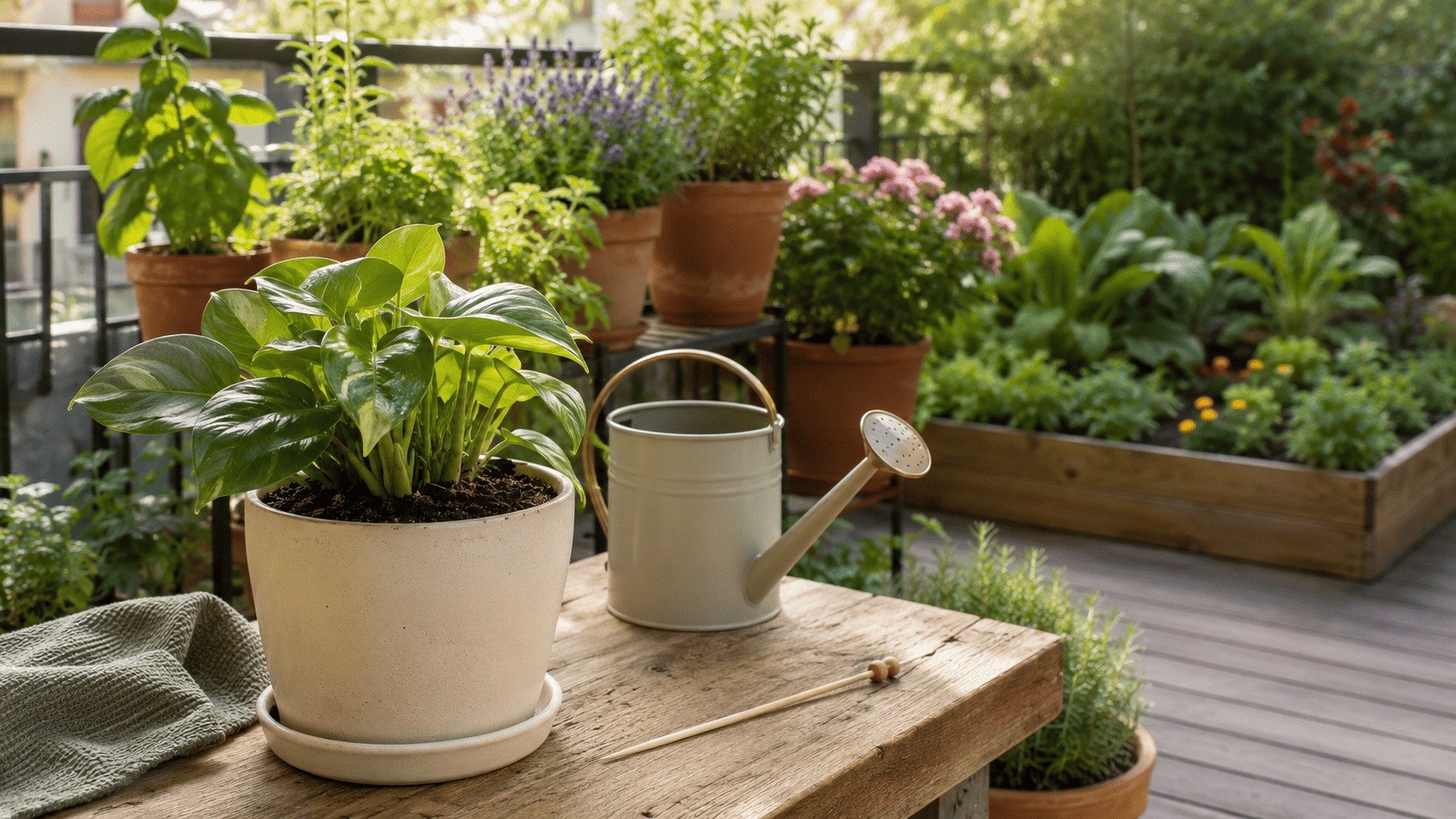
How Often Should You Water Plants?
Learn why a fixed watering calendar often fails and how soil moisture, container size, light, weather, and active growth change how quickly plants need water.
Read the watering guide →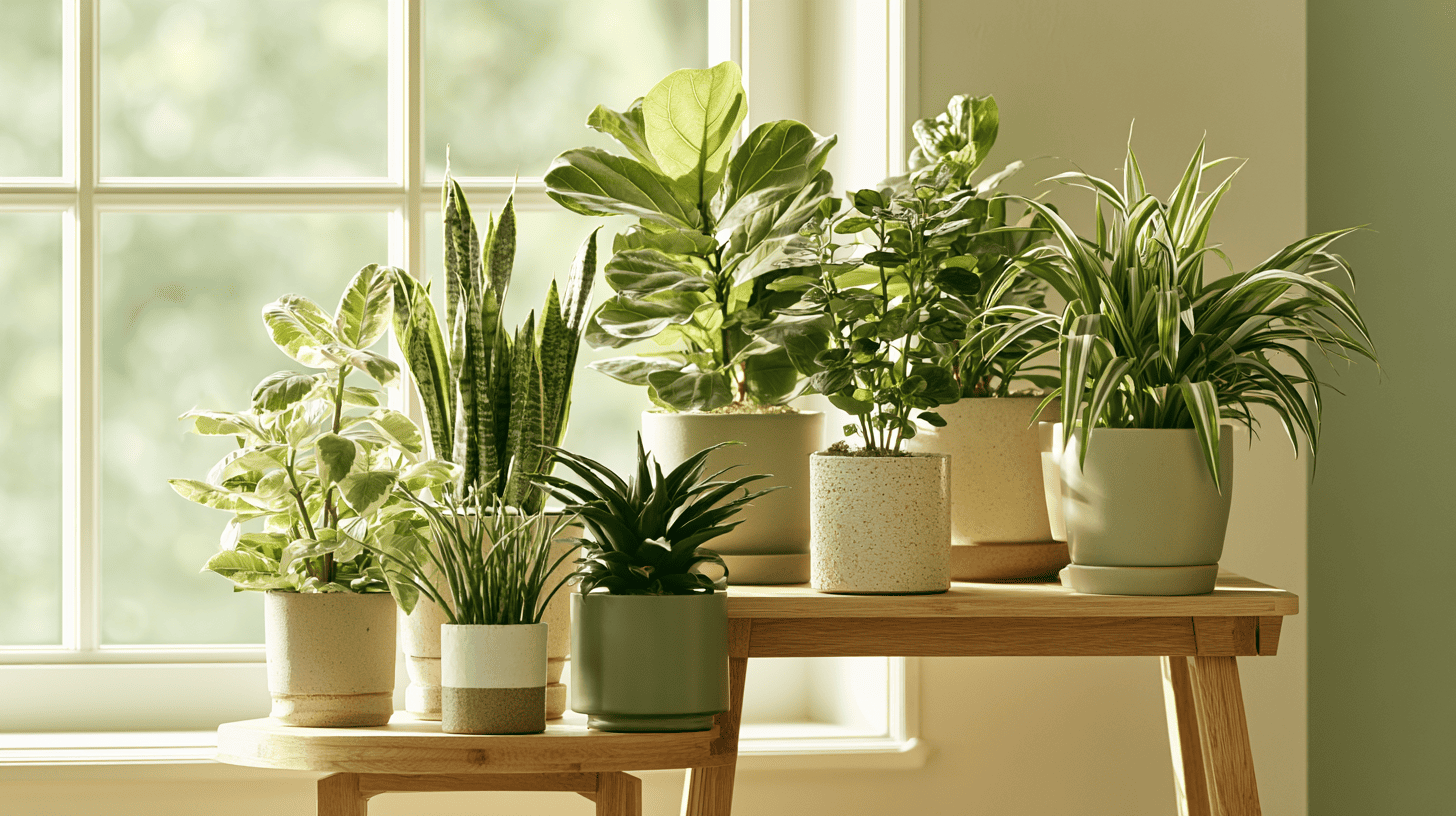
Plant Light Needs Explained
Understand bright indirect light, low light, full sun, window direction, and why distance from the glass can make such a difference to plant growth.
Understand plant light →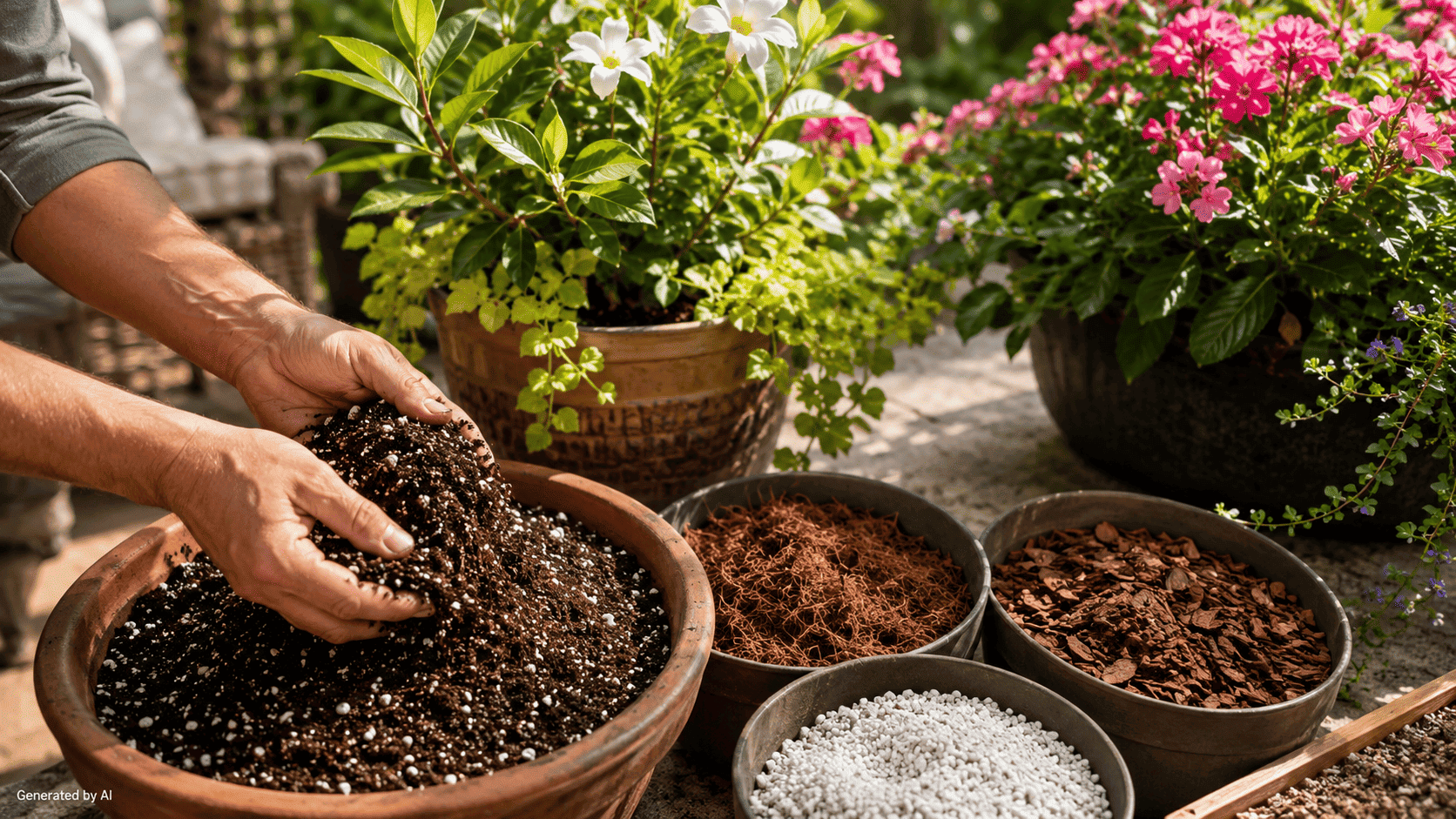
How to Choose the Right Potting Mix
See how moisture retention, drainage, aeration, and common potting-mix ingredients affect the root environment inside a container.
Choose a better potting mix →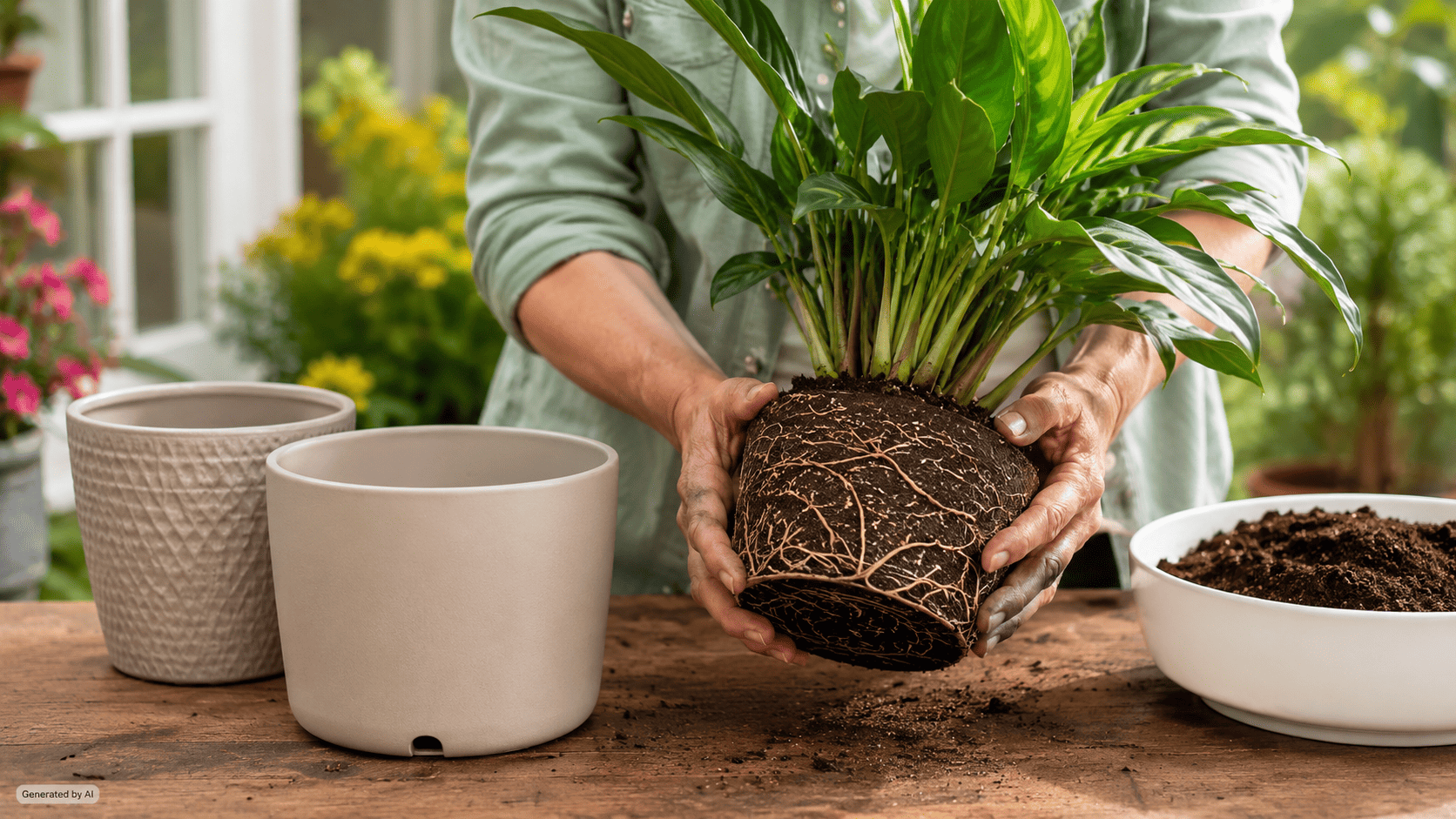
When to Repot a Houseplant
Learn which root and container clues are worth checking before you move a houseplant into a larger pot, and why bigger is not always better.
Check the repotting signs →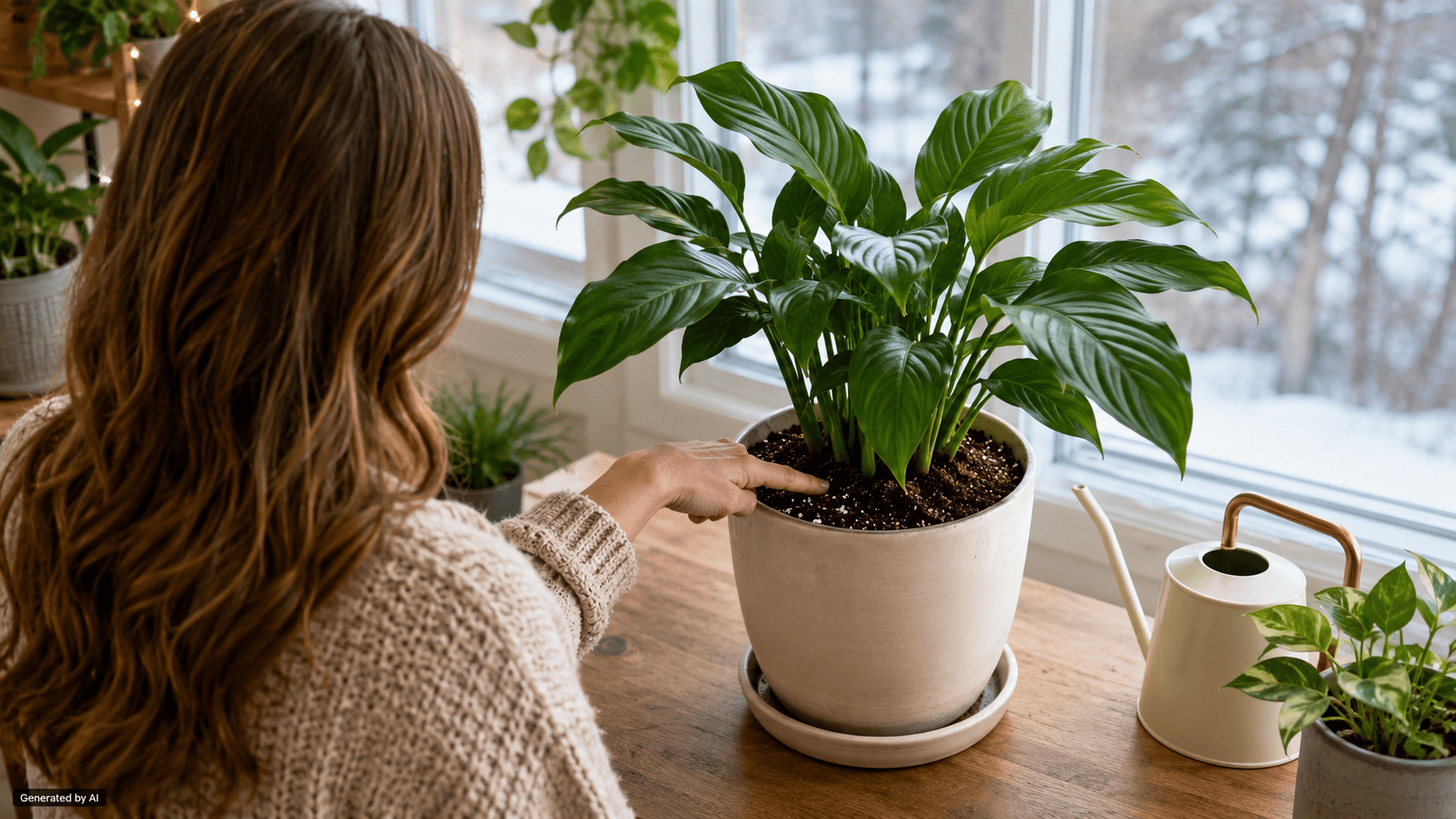
How Often to Water Houseplants in Winter
Adjust watering to lower winter light, slower growth, indoor temperatures, and potting-mix drying time instead of keeping the same summer schedule.
Build a winter watering routine →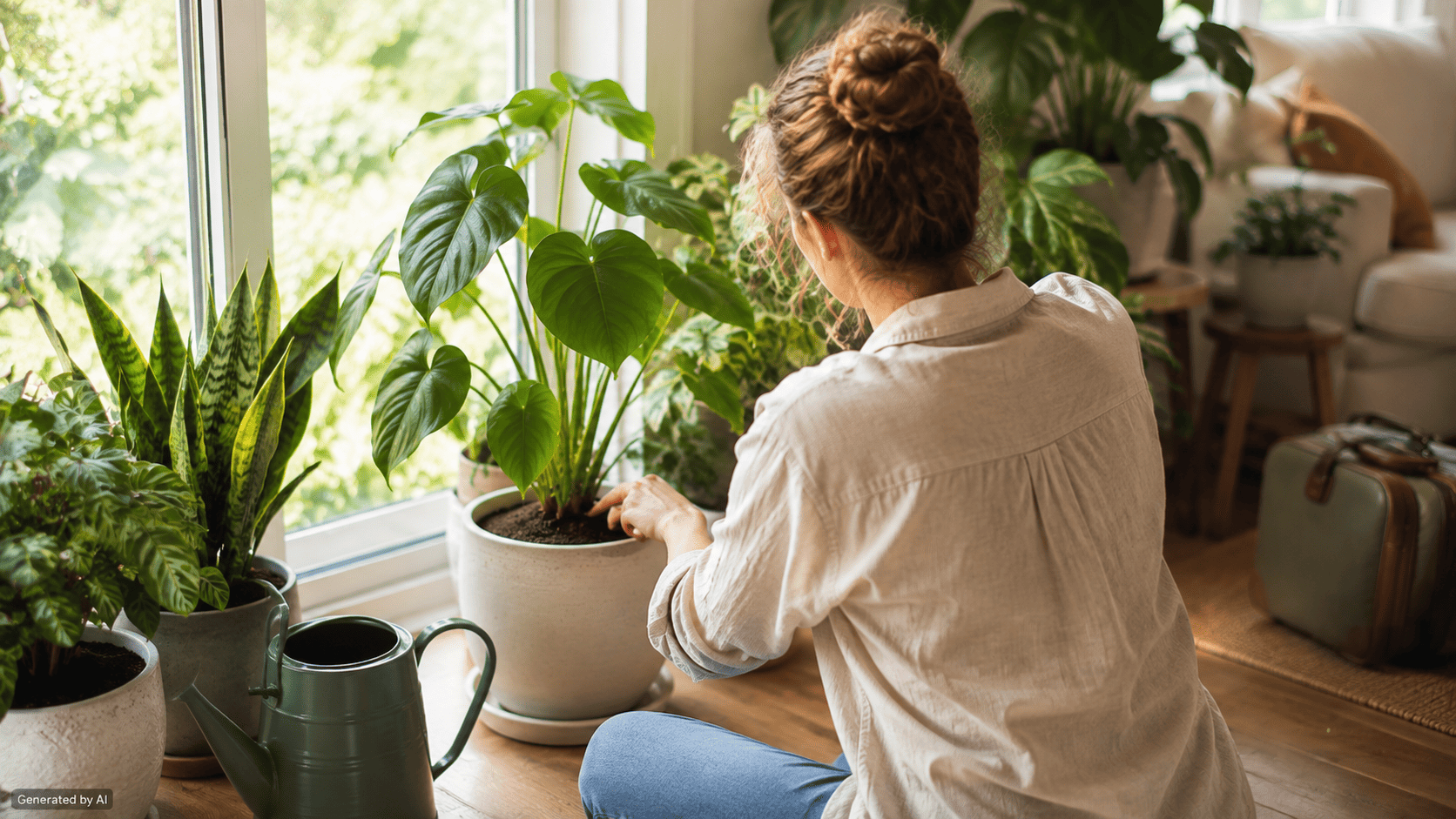
How to Keep Plants Alive While on Vacation
Prepare houseplants and outdoor containers before a trip, reduce unnecessary water loss, and choose a watering backup that fits the length of time you will be away.
Plan vacation plant care →Which Grow Guide Should You Read First?
Start with the clue you can observe most clearly. You do not need to change several parts of the care routine at once.
| What you notice | What to check first | Best next guide |
|---|---|---|
| You are never sure when to water | Feel the potting mix and notice how quickly the container becomes lighter. | Watering guide |
| Growth is weak, stretched, pale, or leaning | Look at actual daylight, window direction, and distance from the light source. | Plant light guide |
| The mix stays wet too long or dries too quickly | Check the structure of the potting mix, drainage, container size, and root density. | Potting mix guide |
| Roots are crowded or the pot dries unusually fast | Inspect the root ball before choosing a larger container. | Repotting guide |
| Your summer watering routine feels wrong in winter | Check soil moisture, indoor light, growth rate, and how long the mix stays damp. | Winter watering guide |
| You will be away for several days or longer | Group plants, reduce unnecessary water loss, and test any backup watering method before leaving. | Vacation plant-care guide |
How the Main Plant-Care Basics Work Together
Watering, light, potting mix, and root space are connected. A change in one area can alter what the plant needs in another, which is why observation is more useful than a rigid care calendar.
Check the Light
Light affects growth and how quickly a plant uses water. A container near a bright window can dry much faster than the same plant in a dimmer part of the room. If the location is uncertain, start with Plant Light Needs Explained.
Feel the Potting Mix Before Watering
Do not water only because a certain number of days has passed. Check whether the root zone has dried enough for the plant. The watering guide explains how to build a more flexible routine.
Make Drainage and Potting Mix Part of the Same Decision
Roots need both moisture and air. Container drainage and the structure of the growing medium influence how long water remains around the roots. Use the potting mix guide when a container stays wet too long, dries unusually fast, or needs fresh growing medium.
Inspect the Roots Before Repotting
A struggling plant does not automatically need a much larger pot. Check whether the roots are genuinely crowded and whether the current mix and drainage are still working. The repotting guide shows which clues are worth paying attention to.
Change one care factor at a time whenever the situation allows. That makes it easier to see whether the plant is responding to a better location, a corrected watering routine, fresh potting mix, or more root space.
Common Plant-Care Mistakes to Avoid
Many plant problems become harder to read when several changes happen at the same time. These are useful places to slow down and check the basics first.
Watering Every Plant on the Same Day
Different plants, pot sizes, light levels, potting mixes, and seasons can create very different drying times. Check moisture first rather than watering every container automatically.
Ignoring the Actual Light
A room can feel bright while a plant several feet from the window receives much less useful daylight. Light also affects how quickly the potting mix dries.
Using One Potting Mix for Every Plant
Plants differ in how much moisture retention and aeration their roots prefer. Match the root environment to the plant instead of relying on one dense mix for every container.
Moving Into a Much Larger Pot Too Soon
A large volume of unused potting mix can stay moist around a relatively small root system. Inspect the roots and move up gradually only when more space is actually needed.
Adjust Plant Care to the Season and Your Routine
The same plant can use water and light differently as the season changes. Indoor winter conditions, summer heat, wind, travel, and active spring growth all change the way a container behaves.
Expect Slower Drying in Many Homes
Lower light and slower growth often mean that containers stay moist longer. Keep checking the mix instead of following the same summer rhythm. For a focused routine, read How Often to Water Houseplants in Winter.
Prepare Before You Leave
Outdoor containers can dry quickly in warm, windy weather, while many indoor plants can manage longer between waterings. Use How to Keep Plants Alive While on Vacation to match the backup plan to the plants and the length of your trip.
Grow Guides FAQ
Where should a beginner start with plant care?
Start with light and water. Check whether the plant is in a suitable location, then feel the potting mix before watering. Once those basics make sense, look at drainage, potting mix, and root space.
How often should I water my plants?
There is no single interval that fits every plant. Container size, light, temperature, airflow, potting mix, weather, and active growth all affect drying time. The most useful first step is to check the mix before watering.
How do I know whether a houseplant needs more light?
Slow growth, weak stretched stems, smaller new leaves, pale growth, or a plant leaning strongly toward the window are reasons to look more closely at the light conditions.
When should I repot a houseplant?
Inspect the roots instead of repotting automatically. Dense circling roots, many roots emerging through drainage holes, or a container that suddenly dries much faster can be useful clues that more root space may be needed.
Why do houseplants often need less water in winter?
Many houseplants grow more slowly when indoor light drops, so they use water more slowly and the potting mix can remain damp longer. Always judge the actual moisture level rather than reducing water by a fixed percentage.
What should I do with my plants before a vacation?
Check each plant individually, water the plants that actually need it, reduce avoidable heat and wind exposure where appropriate, and test any wick, drip, or self-watering system before you leave rather than setting it up for the first time on departure day.
Choose One Plant-Care Question and Start There
You do not need to fix every part of a care routine at once. Start with the clearest clue, use the matching Grow Guide, make one sensible adjustment, and keep observing the plant before changing something else.
For the broadest starting point, begin with watering or light, then move to potting mix and repotting when the root environment becomes the next question.