
Balcony and Container Gardening for Small Spaces
You do not need a backyard to grow herbs, flowers, compact vegetables, or a collection of healthy container plants. A balcony, patio, porch, or small deck can become a useful growing space when you match plants to the light, choose containers that drain well, and build a watering routine around the conditions you actually have.
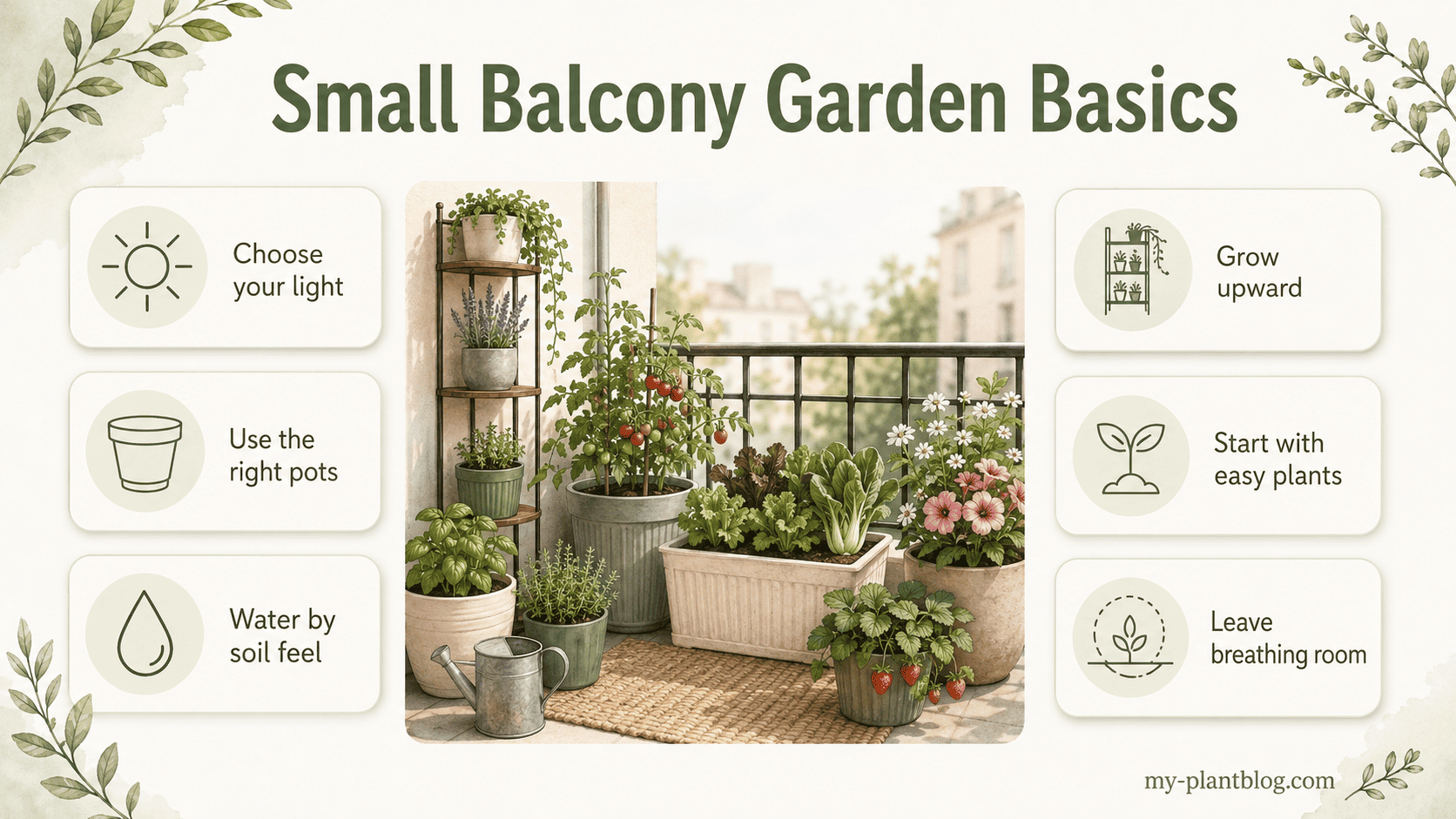
Start With the Conditions Your Balcony or Patio Actually Has
Container gardening gets much easier when you begin with the space instead of the plant-shopping list. Notice where direct sun falls, how exposed the area is to wind, where water can drain safely, and how much room you can give each container without making the space difficult to use.
A bright south- or west-facing balcony can become hot and dry quickly in summer. A covered porch may stay cooler and hold moisture longer. Small pots usually dry faster than large planters, while dense or poorly draining growing media can stay wet even when the surface looks dry.
Watch the space for a full day before buying several plants. Note when direct sun reaches each area and how long it lasts. Then choose plants and container locations that fit those real conditions.
Practical Guides for Balcony and Container Care
These practical guides cover the care decisions that matter most in containers: watering, available light, the structure of the potting mix, and deciding when a plant genuinely needs more root space. Choose the topic that best matches your next question.
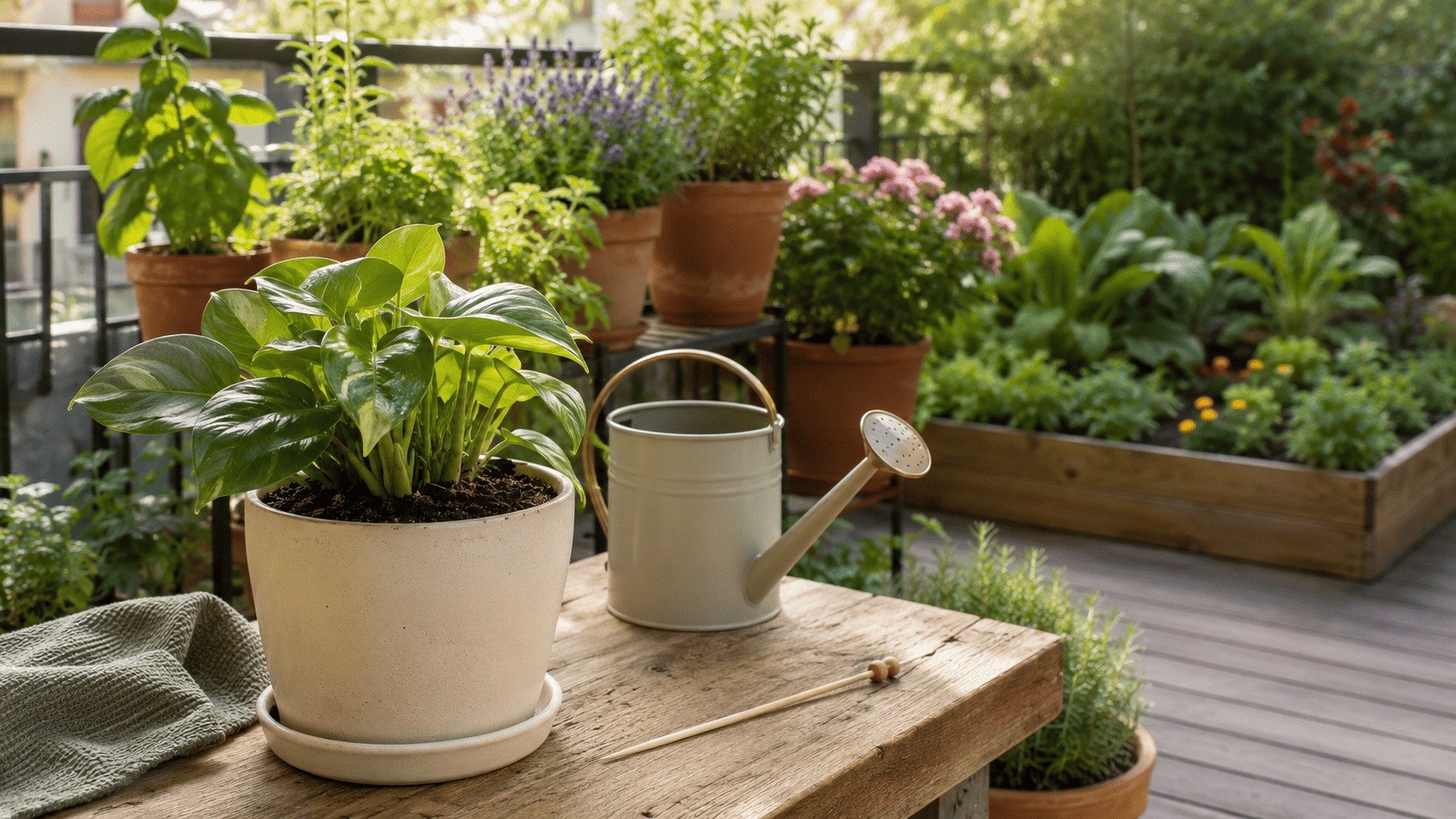
How Often Should You Water Plants?
Learn why outdoor pots can dry quickly in sun and wind, why fixed schedules are unreliable, and how soil moisture, pot size, weather, and active growth change the watering rhythm.
Build a better watering routine →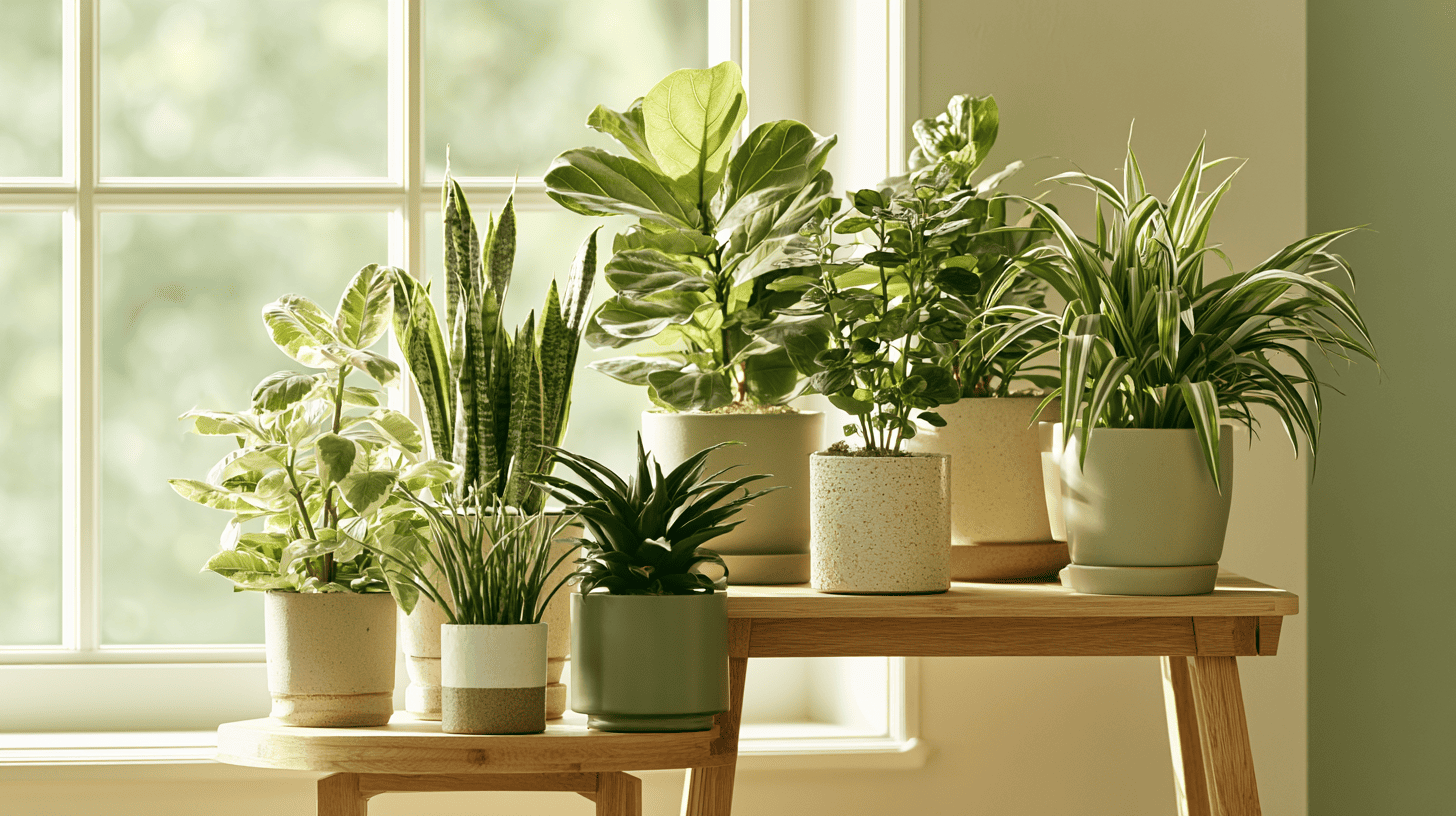
Plant Light Needs Explained
Understand full sun, lower light, and bright indirect light so you can choose better positions for container plants before changing water, fertilizer, or pot size.
Understand the light in your space →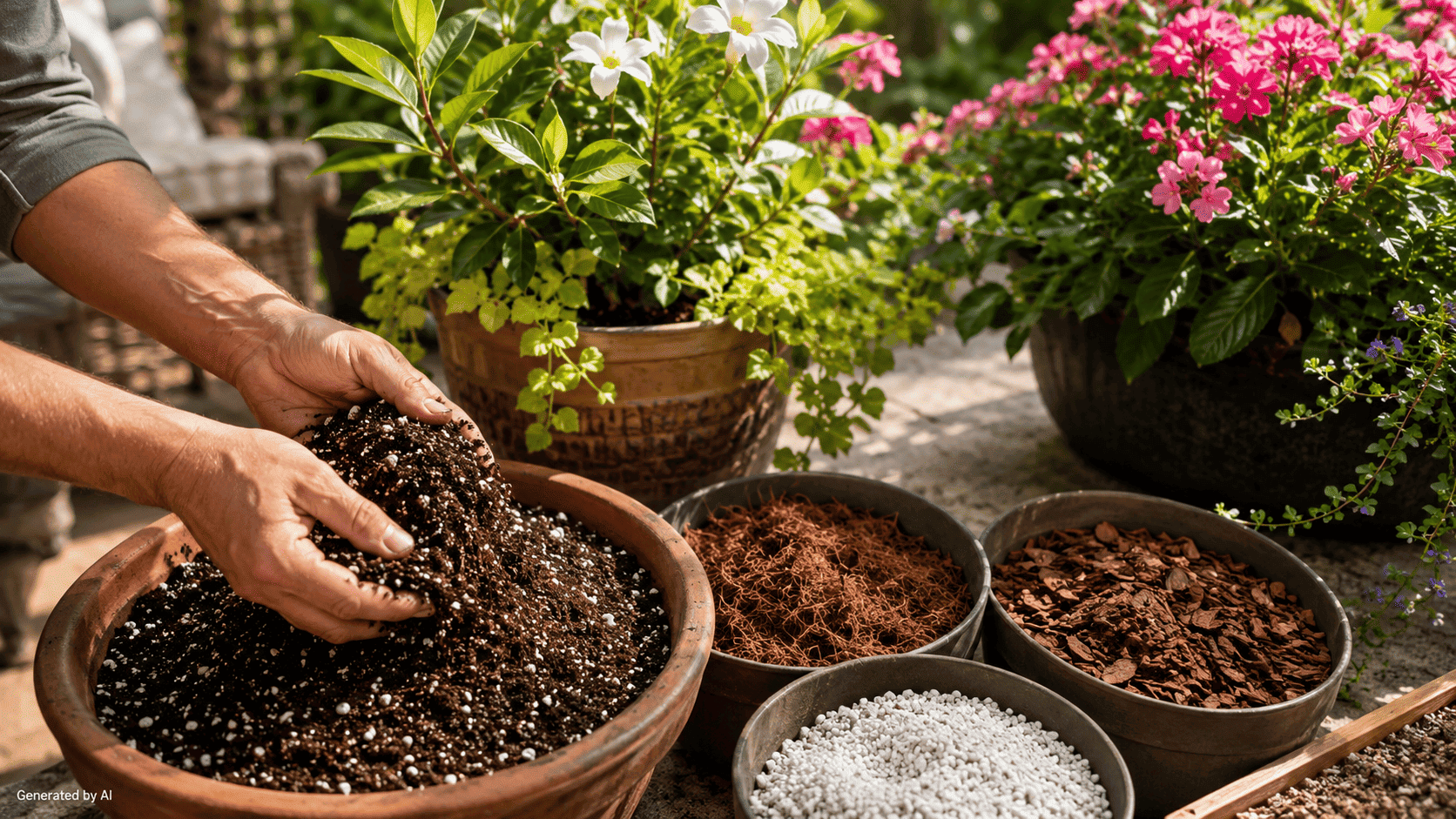
How to Choose the Best Potting Mix for Container Plants
See how drainage, aeration, moisture retention, bark, coir, perlite, and other common ingredients shape the root environment inside a pot.
Choose a better container mix →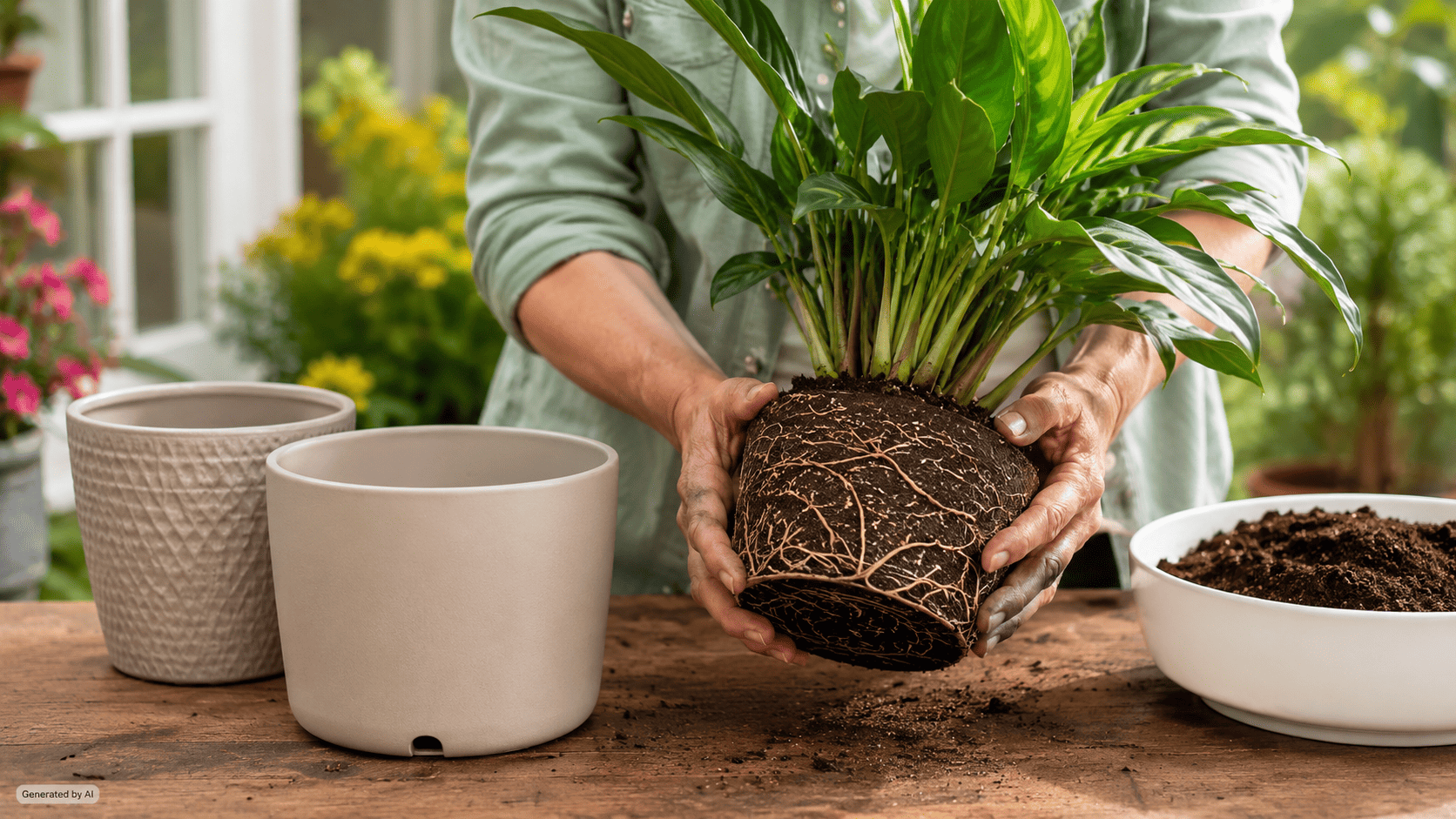
When to Repot Houseplants
Use root density, drainage-hole growth, drying speed, and the condition of the root ball to decide whether a potted plant really needs more space.
Check the signs before sizing up →Build Your First Container Garden in a Simple Order
A small setup is easier to learn from than a crowded balcony full of plants with different needs. Start with a few containers and make each choice in a practical order.
Map the Light
Notice where you get direct sun, bright shade, and the hottest afternoon exposure. Use the plant light guide when you need help translating those conditions into useful plant-care terms.
Choose Containers With Drainage
Pick pots that are large enough for the plants you want to grow and that allow excess water to leave the root zone. Tiny containers may look convenient, but they can become difficult to keep evenly moist during hot or windy weather.
Use Potting Mix Made for Containers
A container needs a growing medium that balances moisture with air around the roots. The container potting mix guide explains how common ingredients affect drainage and water retention.
Water by Need, Not by the Calendar
Check the potting mix and the weight of the container before watering. During warm, sunny, windy weather, some outdoor pots may need much more frequent attention than they do during mild or cloudy periods.
Observe Before Adding More
Give yourself time to learn how quickly the containers dry, where the wind is strongest, and which plants are comfortable. Once the first setup is easy to maintain, expand it gradually.
Common Container Gardening Mistakes to Avoid
Most small-space problems become easier to solve when you check the growing conditions before making several changes at once.
| Common mistake | Why it causes trouble | Better first step |
|---|---|---|
| Choosing plants before checking the light | A plant that prefers strong sun may struggle in a deeply shaded corner, while a shade-adapted plant may scorch in intense afternoon sun. | Map the light first, then choose plants for that location. |
| Using containers that are too small | Small pots have less root room and a smaller moisture reserve, so they can dry rapidly in warm or windy weather. | Choose a pot size that fits the mature plant and your watering routine. |
| Watering every pot on the same schedule | Plant size, sun, wind, container material, and potting mix can make drying times very different. | Check each container before watering. |
| Using dense yard soil in pots | Material that works in the ground can become too dense inside the limited volume of a container. | Use a growing medium intended for container plants. |
| Adding too many plants at once | A crowded setup makes it harder to learn which plants need more sun, water, space, or protection. | Start with a manageable group and expand after you understand the space. |
Before adding heavy planters, large containers, shelves, or railing boxes, check the requirements that apply to your building and balcony. Follow the planter or mounting system instructions, secure anything that could fall, and keep doors and exits clear.
Adjust Container Care as the Weather Changes
Containers respond quickly to changes in sun, temperature, wind, and active plant growth. A routine that works in spring may be too little in midsummer or too much once growth slows.
Recheck the light as days lengthen, refresh tired growing media when needed, and add new containers gradually rather than filling the entire space at once.
Check outdoor pots more often during hot or windy weather. Larger containers usually provide a bigger moisture reserve than very small pots.
Remove spent annuals, harvest remaining herbs or vegetables, and decide which containers you want to keep active as temperatures drop.
Cold exposure, freezing conditions, and slower growth change what plants need. Protect or relocate tender plants as appropriate for the species and your local conditions.
Balcony and Container Gardening FAQ
Can I grow plants successfully on a small balcony?
Yes. Start by matching plants to the available light and using containers with enough root space and drainage. Herbs, flowers, leafy greens, compact vegetables, and foliage plants can all work in small spaces when their needs fit the location.
How often should I water balcony pots?
There is no single interval. Sun, wind, heat, plant size, pot size, container material, and potting mix all affect drying time. Check the growing medium before watering and expect outdoor pots to need more frequent checks during hot weather.
Should I use garden soil in containers?
For most container plants, a lightweight potting mix intended for pots is the easier choice. It is designed to provide a better balance of moisture, drainage, and air than dense yard soil inside a limited container.
Are larger pots easier to care for?
They can be more forgiving for plants that need steady moisture because they hold a larger volume of growing medium. The container still needs to suit the plant, drain properly, and fit safely in the available space.
What should I check first when a container plant looks stressed?
Start with the potting mix, drainage, and light. Check whether the root zone is too dry or staying wet for a long time, then consider recent heat, wind, or other changes before adjusting several parts of the care routine.
Keep Building Your Small-Space Garden One Decision at a Time
Start with light, drainage, potting mix, and watering. Once those basics are working, it becomes much easier to choose herbs, flowers, vegetables, and decorative plants that fit the space you actually have.