
Beginner Plant Care
Free Plant Care Checklist for Beginners: Daily to Seasonal
Want a simple way to care for your plants without guessing when to water or repot? Start with a quick daily look, a weekly soil and leaf check, a monthly review, and small seasonal adjustments. Use the free, printable checklist below for houseplants, herbs, and potted balcony plants—then adjust it for each plant's needs.
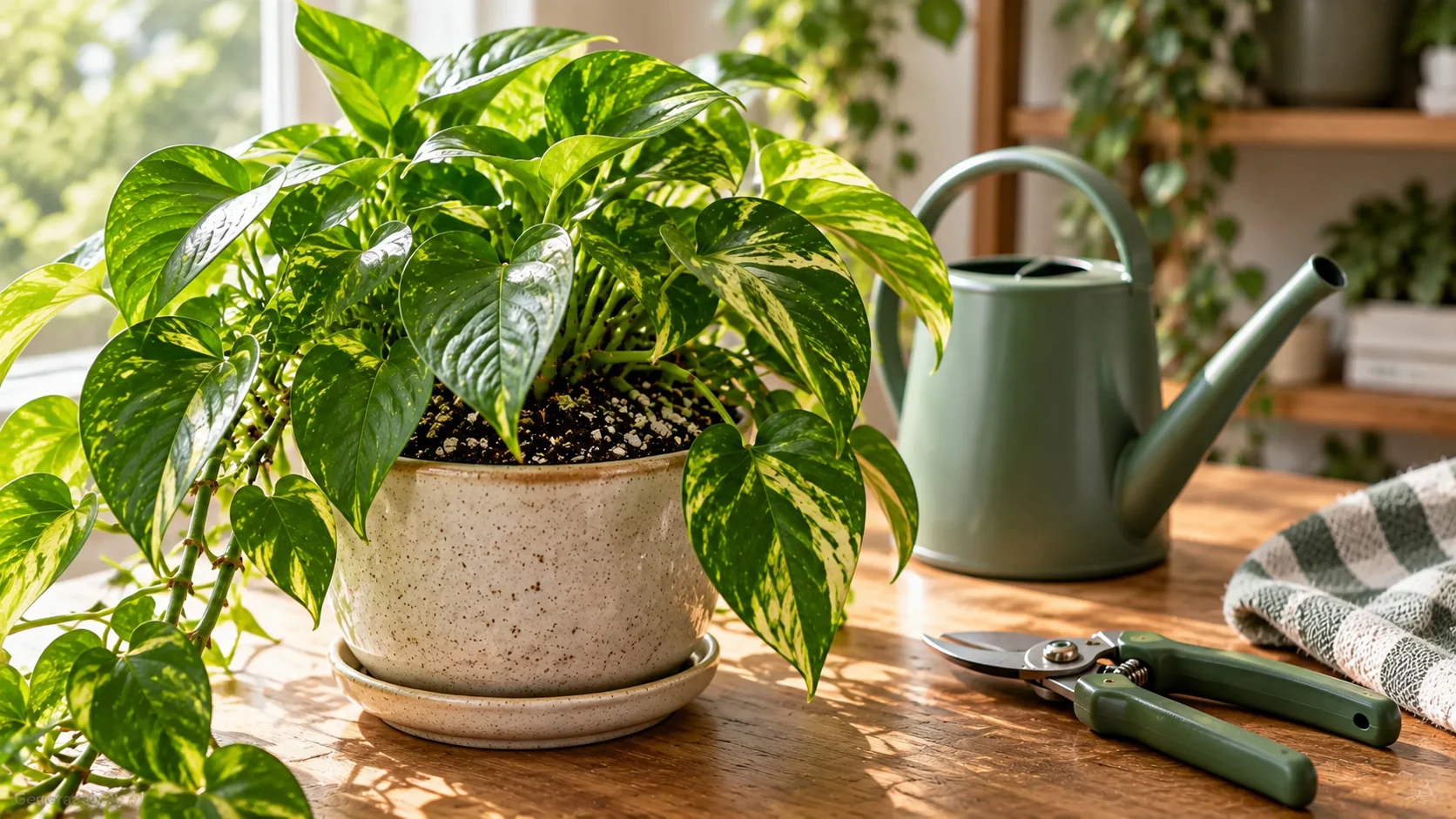
Start With the Plant, Not the Calendar
A checklist is a reminder to check your plants, not a command to do every task every time. A pothos in a bright room, a cactus on a sunny sill, and a basil plant outdoors can have very different water and light needs. A cloudy week or a change in season can change those needs again.
Begin by noticing the leaves, the moisture below the soil surface, the weight of the pot, the light, and anything that changed recently. If a plant is drooping, check whether the mix is dry or wet before reaching for a watering can. Make one sensible change at a time, unless the plant faces immediate harm such as freezing temperatures or standing water.
Daily Plant Care Checklist: A Quick Look
You don't need a lengthy morning routine. Spend a moment noticing changes as you pass your plants. Outdoor containers may need extra attention during heat, wind, or a sudden cold spell.
- Look at leaves and stems: note sudden drooping, damage, or unusual yellowing.
- Check the location: watch for harsh afternoon sun, cold glass, heaters, drafts, or a pot knocked over by wind.
- Empty standing water: after watering, let excess drain and empty saucers or decorative cover pots; don't leave most plants sitting in water.
- Notice the light: is the plant stretching toward a window, or has its spot become much darker?
For details on matching a location to the plant, use the plant light needs guide.
Weekly Plant Care Checklist: Check Before You Water
Pick a convenient day to inspect all your plants. A weekly check day is helpful, but it should never become an automatic watering day. In hot weather, check fast-drying balcony pots more often.
1. Feel the potting mix
For many common houseplants, check roughly 1–2 inches below the surface. Some plants prefer more moisture, while succulents often need to dry further. Lift a small pot to learn its lighter, drier weight.
2. Water only if needed
When it's time, moisten the root ball thoroughly and let excess water drain. Empty the saucer. If the mix is still damp for that species, wait and recheck.
3. Look under the leaves
Check for sticky residue, fine webbing, speckles, spots, or visible insects, especially on new growth and leaf undersides.
4. Tidy up as needed
Remove fully dead leaves with clean scissors; gently wipe dust from large smooth leaves. Rotate a pot a little if it leans strongly toward the light.
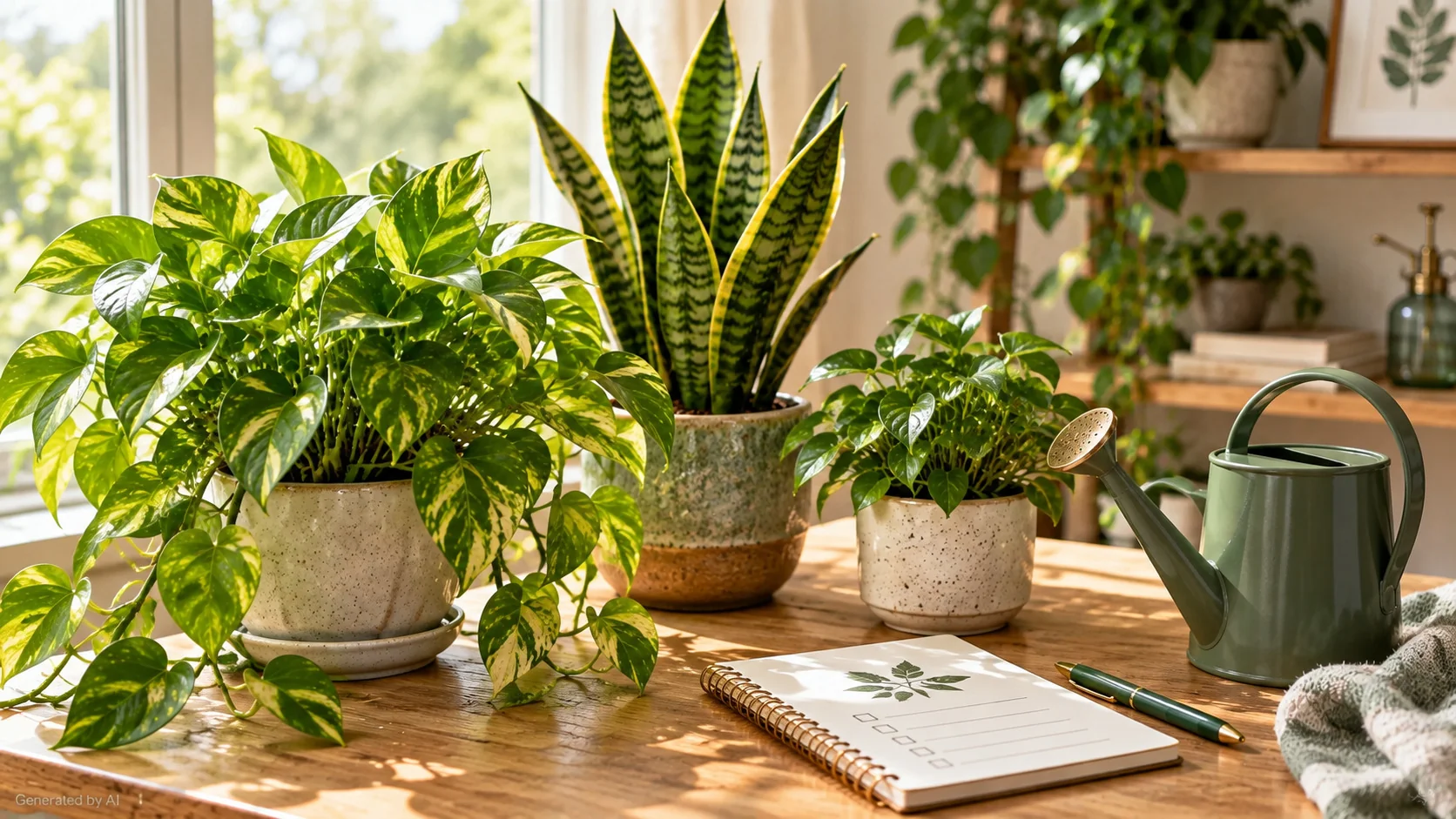
If you're unsure about the right moisture level, see how often to water plants for a more detailed decision guide.
Monthly Plant Care Checklist: Review the Bigger Picture
- Check the pot: look for many roots through drainage holes, unusually fast drying, or poor drainage. These are reasons to investigate, not automatic instructions to repot.
- Review growth: weak, stretched stems or smaller new leaves can suggest insufficient light.
- Clean the area: remove fallen leaves and wipe shelves, saucers, and cover pots.
- Review watering notes: which pots stayed damp longest? Which dried quickly? Did a location change help?
- Consider fertilizer: feed only when the plant is healthy, actively growing, and due according to the product label. Don't fertilize as a quick fix for pests or damaged roots.
If the mix stays wet for too long or roots seem crowded, the plant care grow guides offer focused advice on potting mix and repotting.
Seasonal Plant Care Checklist
Use the seasons as prompts to reassess conditions—not as universal deadlines. Indoor light and growth may change gradually; outdoor timing depends on your local climate.
| Season | What to review | Useful adjustment |
|---|---|---|
| Spring | New growth, roots, pests, and pot condition | Repot if needed; resume feeding gradually when growth is active. |
| Summer | Heat, wind, direct sun, and fast-drying pots | Check moisture more often; protect sensitive leaves from intense afternoon sun. |
| Fall | Lower light and cooler nights | Adjust watering as drying slows; inspect outdoor plants before bringing them inside. |
| Winter | Shorter days, cold drafts, heating, and wet mix | Many houseplants need water less often; check the mix and avoid unnecessary repotting. |
During the colder months, take an extra look at light and drying time before keeping the same watering routine you used in summer.
How to Use the Checklist Without Overwatering
When you see “check water,” follow a decision rather than a date. First feel the mix. Then consider the plant type, the pot's weight, drainage, light, temperature, and recent watering. A finger test is a useful first clue, but it may not describe the whole root ball in a very deep pot.
- If the mix is still too damp for that plant: wait and recheck.
- If the mix is ready for water: water evenly until some drains out, where the container and plant allow it.
- If the plant is wilting in wet mix: don't add more water. Check drainage and root health.
Plant Care Warning Signs: What to Check First
One yellow leaf may simply be aging. A spreading problem, soft stems, or multiple affected leaves deserve a closer look. These signs are clues, not a certain diagnosis.
| What you notice | Possible issue | First step |
|---|---|---|
| Yellow leaves + wet mix | Too much moisture or poor drainage | Check the drainage and how long the mix stays wet. |
| Drooping + dry mix | Possible thirst | Water if appropriate for the species and allow drainage. |
| Drooping + wet mix | Root stress, heat, or another problem | Do not add water; inspect drainage and recent conditions. |
| Sticky leaves | Possible sap-feeding pests | Inspect stems and leaf undersides; isolate if pests appear. |
| Fine webbing or speckling | Possible spider mites | Inspect nearby plants and identify the pest before treatment. |
| Weak, stretched growth | Insufficient light may be involved | Review window distance and the plant's light preference. |
If symptoms persist, the plant problems guide helps you narrow down yellow leaves, drooping, root stress, and pests before trying a treatment.
Printable Plant Care Checklist for Beginners
Use one copy per plant. Check off tasks only when they apply; you do not need to finish every item each week. You can mark boxes on this page or print the checklist using your browser's Print command (or Save as PDF). Information entered here is not saved by the checklist.
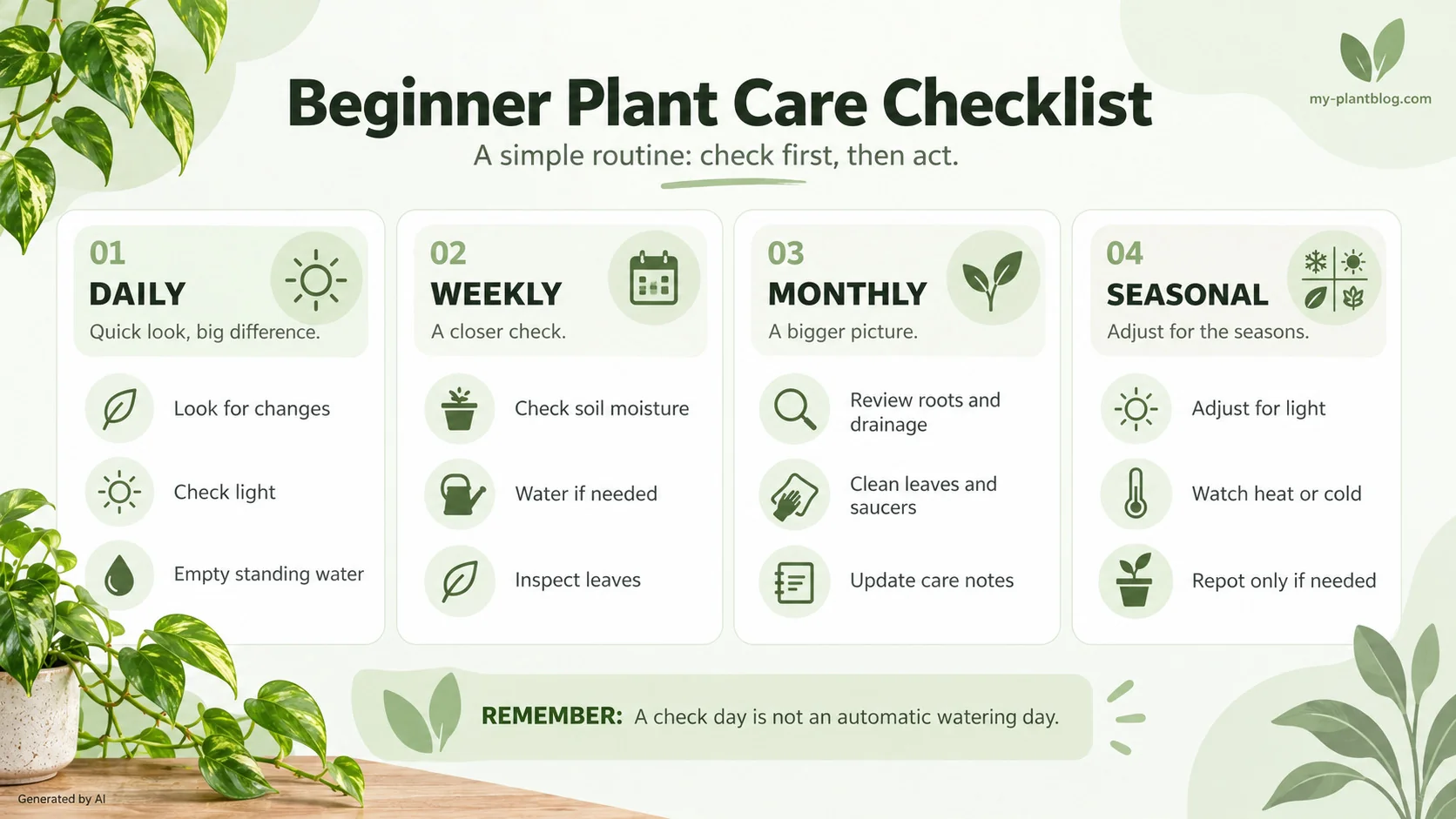
Daily: observe
A brief look; no automatic watering.
Weekly: check and act
Check moisture before deciding to water.
Monthly: review
Look for patterns rather than isolated symptoms.
Seasonal: adjust
Use the season as a cue, not a deadline.
Care log: notice, decide, follow up
Record a few useful details. “Checked—no water needed” is a valid entry.
| Date | Soil / leaves | Action taken | Next check |
|---|---|---|---|
Remember: A check day is not an automatic watering day. Let the plant, potting mix, and growing conditions guide your next step.
Simple Tools That Make Plant Care Easier
You don't need much equipment. A watering can with a controlled spout, a soft cloth, clean small scissors, and a notebook or plant labels cover most beginner tasks. A moisture meter can provide an extra clue, but it shouldn't replace checking the pot and knowing the plant's needs.
For trackers, planners, and other simple guides, browse the plant care resources library.
Common Beginner Mistakes to Avoid
- Watering every plant on Sunday: use that day to check moisture, not automatically water.
- Moving a plant repeatedly: make a reasonable adjustment and give it time to respond unless conditions are harmful.
- Leaving a nursery pot in standing water: drain it and empty its decorative outer pot.
- Fertilizing a stressed plant: address light, roots, watering, or pests first.
- Repotting after one yellow leaf: look for consistent root or potting-mix clues before disturbing roots.
- Treating cactus, fern, basil, and pothos alike: learn each plant's preferred moisture and light.
Plant Care Checklist FAQ
Should I water every houseplant once a week?
No. A weekly check is useful, but plants dry at different rates. Check moisture and the individual plant before watering.
Can I use this checklist for balcony plants?
Yes. During hot or windy weather, outdoor pots may need more frequent checks than indoor houseplants. Adjust for rain, light, and temperature.
Do I need to mist plants every day?
No. Misting is not essential for most houseplants and usually changes humidity only briefly. If a species needs higher humidity, consider a more consistent approach suited to that plant.
When should I fertilize beginner houseplants?
Feed when they are healthy and actively growing, often in spring and summer. Follow the fertilizer label and avoid feeding a stressed plant as a first response.
Keep Your Plant Care Routine Simple
Start with one check day, learn which pots dry first, and look for changes before making a new adjustment. Use the checklist as a reminder, not a set of strict watering rules. Keep observing and adjust the routine as your plants and seasons change.
